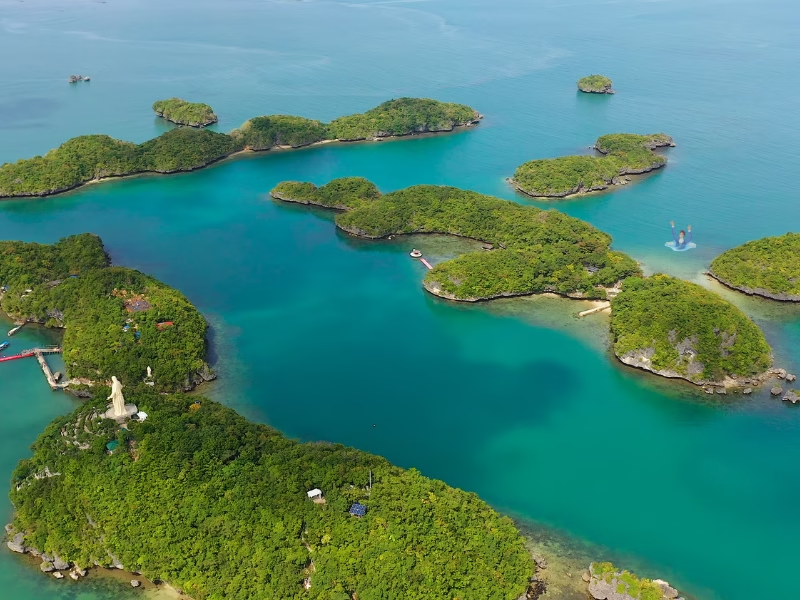
Hidden far from crowded resorts and influencer itineraries, this unexpected island paradise offers crystal-clear waters, untouched beaches, and a way of life locals fiercely protect. While mass tourism floods famous islands, this destination remains quietly extraordinary. This in-depth guide explores why locals guard it, what makes it special, how Americans can visit responsibly, and whether discovering it is truly worth the silence.
The Island That Refuses to Compete for Attention
Most island destinations fight for visibility. They advertise relentlessly, chase travel rankings, and flood social feeds with perfectly filtered sunsets. This island does none of that.
There are no billboards welcoming you. No airport shops selling “I ❤️ Paradise” merchandise. No viral TikTok videos showing the same viewpoint from ten angles. Instead, there’s a quiet confidence—an understanding among locals that what they have doesn’t need selling.
For American travelers accustomed to curated experiences, this absence feels strange at first. Then it feels liberating.
This is an island that exists for itself first, visitors second.
Where This Unexpected Island Paradise Really Is
Rather than pointing to a single, hyper-specific location that could quickly become overwhelmed, this article reflects a growing category of islands that Americans are quietly discovering—places intentionally left out of mainstream tourism pipelines.
They tend to share common traits:
- Located near famous island destinations but overshadowed by them
- Limited direct flights or ferry schedules
- Few large hotels or resorts
- Strong local governance over development
- Communities deeply tied to fishing, farming, or maritime traditions
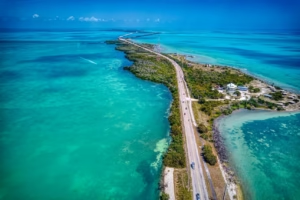
You’ll find them in the Caribbean, the Mediterranean, the Pacific, and even surprisingly close to the continental United States. Their defining feature isn’t geography—it’s restraint.
Why Locals Don’t Want Tourists to Know About It
This isn’t about hostility toward outsiders. It’s about survival.
Locals on many small islands have watched nearby destinations change dramatically after tourism booms. According to the World Tourism Organization, rapid tourism growth often leads to:
- Rising housing costs that push locals out
- Overuse of water and energy resources
- Coral reef degradation and beach erosion
- Loss of cultural traditions
Communities on quieter islands have learned from those examples. Instead of advertising themselves as “the next big thing,” they quietly manage visitor numbers and rely on word-of-mouth travel.
Tourists aren’t discouraged—but mass tourism is.
What Makes This Island So Unexpected
At first glance, nothing screams “luxury.”
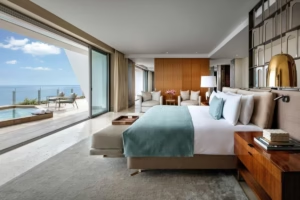
There are no mega-resorts, no infinity pools perched above cliffs, no nightlife districts pulsing until sunrise. What you notice instead is what’s missing: noise, rush, pressure.
Then, slowly, the island reveals itself.
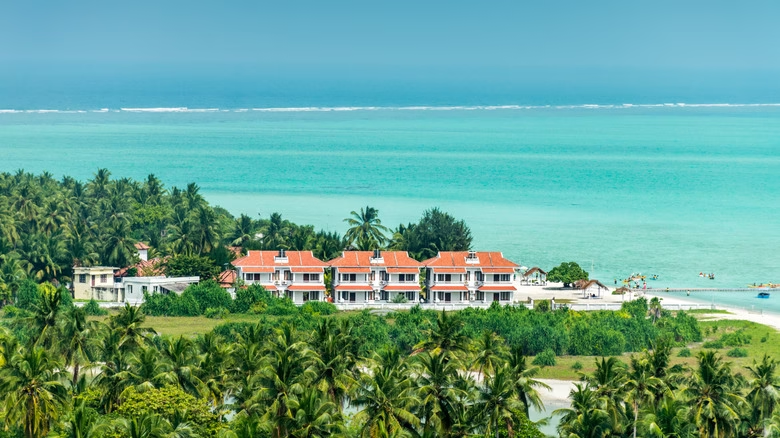
The water is clearer than expected because there’s little boat traffic. Beaches feel untouched because they aren’t groomed daily for tourists. Locals greet each other by name. Time stretches.
For many American travelers, this becomes the most unexpected luxury of all: nothing is trying to sell them anything.
A Real-Life Traveler Story: “We Didn’t Mean to Find This Place”
A couple from Colorado shared how they discovered a small island after a ferry strike disrupted their original travel plans. With limited options, they booked a modest guesthouse run by a local family.
What they expected to be a one-night stop turned into a ten-day stay.
They spent mornings swimming alone, afternoons eating freshly grilled fish, and evenings watching locals gather on the docks. “It felt like we stepped into a version of travel that no longer exists,” they said.
This kind of accidental discovery is how many visitors find these islands—and why locals fear overexposure.
The Beaches: Wild, Quiet, and Unmanaged
These beaches don’t come with umbrellas, vendors, or music. They come with space.
Expect:
- Long stretches of sand without footprints
- Natural shade from trees, not structures
- Water clear enough to see fish without snorkeling gear
- No lines, no reservations, no schedules
Marine conservation groups often note that less-visited islands have healthier reef ecosystems because they experience less pollution and anchoring damage.
Swimming here feels different. Calmer. Less crowded. More personal.
The Food Locals Actually Eat
Food on this island doesn’t follow trends. It follows seasons.
Most meals revolve around:
- Seafood caught the same day
- Local fruits, greens, and root vegetables
- Simple preparation that highlights freshness
- Family recipes rarely written down
Many travelers notice that the best meals aren’t found in “restaurants” at all, but in small kitchens, beachside grills, or community gatherings.
This isn’t food designed to impress strangers. It’s food designed to sustain life—and it shows.
Why Americans Are Searching for Places Like This
Search trends reveal a clear shift in American travel behavior. Queries like:
- “Quiet island vacations”
- “Hidden island getaways”
- “Underrated islands without crowds”
- “Islands locals don’t want tourists”
have surged in recent years.
After years of overstimulation and tightly packed itineraries, many Americans now prioritize:
- Mental rest
- Authenticity
- Space and nature
- Cultural connection
This island represents all of that.
Where You’ll Stay (And Why It Matters)
Accommodations here are intentionally low-key.
Most visitors stay in:
- Family-run guesthouses
- Small eco-lodges
- Locally owned rentals
You won’t get 24-hour concierge service—but you’ll get something better: hosts who tell you which beaches to avoid during fishing season, which bakery opens early, and which places locals prefer to keep off social media.
Where you stay directly affects how tourism shapes the island.
How to Visit Without Ruining What Makes It Special
Respect isn’t optional here—it’s expected.
If you visit:
- Avoid geotagging secluded beaches
- Don’t use drones without permission
- Support local businesses over chains
- Dress and behave according to local norms
- Accept that things move slowly
The goal isn’t to “unlock” the island. It’s to coexist with it briefly.
Is This Island Safe for American Travelers?
Generally, yes—and often safer than heavily touristed areas.
Many under-the-radar islands benefit from:
- Strong community ties
- Low crime rates
- High social accountability
The main safety considerations are environmental:
- Changing weather conditions
- Limited medical facilities
- Strong ocean currents
Prepared, respectful travelers consistently report feeling secure.
When Is the Best Time to Visit?
Timing can make or break the experience.
The best periods are usually:
- Shoulder seasons before or after peak travel elsewhere
- Months locals consider “too quiet”
- Times when weather is stable but tourism is low
Traveling during these windows reduces your impact and improves your experience.
Why This Island Won’t Stay Secret Forever
No place stays hidden forever. Social media, remote work, and curiosity ensure that.
But many islands are fighting back—not against visitors, but against unchecked growth.
They’re doing this by:
- Limiting new construction
- Protecting local housing
- Encouraging eco-tourism
- Preserving marine areas
How travelers behave now will shape what the island becomes later.
Practical Takeaways for Curious Travelers
If this island speaks to you:
- Travel slowly and intentionally
- Spend money locally
- Ask before photographing people or places
- Share experiences thoughtfully, not loudly
- Leave no trace
Paradise isn’t about access—it’s about responsibility.
Frequently Asked Questions (Trending Searches)
1. Where is this unexpected island paradise located?
Ans. It refers to lesser-known islands outside major tourism routes, often near popular destinations but overlooked.
2. Why don’t locals want tourists to know about it?
Ans. To protect their culture, environment, and cost of living from overtourism.
3. Is it ethical to visit hidden islands?
Ans. Yes, when travelers act respectfully and support local communities.
4. Are these islands expensive to visit?
Ans. Often more affordable than major resort islands due to fewer luxury developments.
5. Is the island safe for American travelers?
Ans. Generally yes, with basic precautions and environmental awareness.
6. What makes this island different from famous island destinations?
Ans. Fewer crowds, stronger community life, and a slower pace.
7. Can Americans work remotely from such islands?
Ans. Sometimes, though internet and infrastructure may be limited.
8. What should tourists avoid doing?
Ans. Overposting on social media, ignoring local customs, and expecting luxury amenities.
9. Will this island become popular soon?
Ans. Possibly, but many locals are actively managing tourism growth.
10. Is visiting worth keeping it quiet?
Ans. Many travelers believe the experience is better when shared thoughtfully, not publicly.
Final Thoughts: Paradise Isn’t Gone — It’s Just Quieter
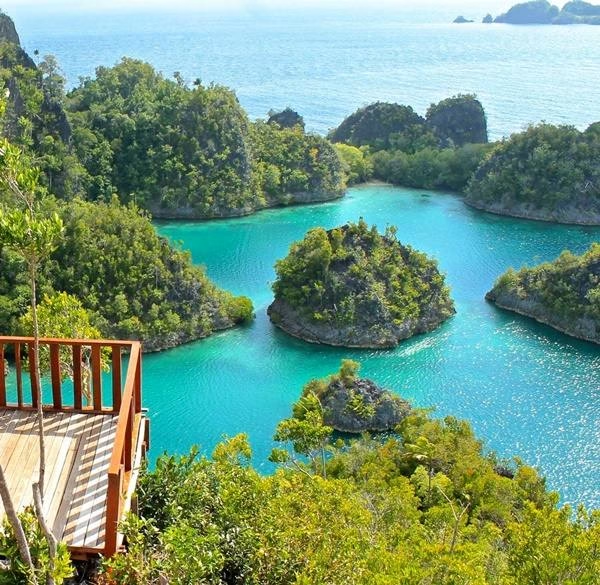
The most unexpected island paradise isn’t defined by five-star resorts or viral fame. It’s defined by what hasn’t changed.
Clear water. Slow mornings. Honest food. Human connection.
Locals don’t want you to know about it because they understand how fragile paradise can be.
If you’re lucky enough to find a place like this, treat it not as content—but as a privilege.




Leave a Reply