
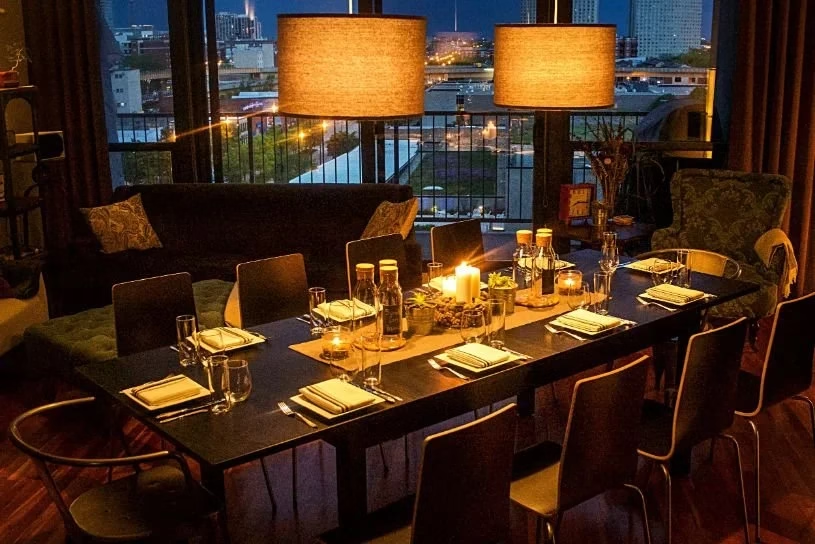
Across the United States, a hidden world of invite-only dining clubs is quietly redefining luxury food culture. These secret gourmet communities operate beyond public restaurants, offering rare menus, anonymous locations, and deeply personal culinary experiences. This in-depth guide explores how America’s gourmet underground works, why it’s growing rapidly, and how insiders gain access without ever posting a photo online.
The Rise of America’s Gourmet Underground
At a time when every meal can be photographed, reviewed, ranked, and monetized online, a surprising countertrend is gaining momentum across the United States: culinary secrecy.
From New York lofts to Los Angeles hillsides, from Chicago basements to Austin warehouses, exclusive underground dining clubs are thriving—quietly, deliberately, and almost invisibly. These are not restaurants you can Google. They don’t appear on Yelp. Many don’t even have names.
And that’s exactly the point.
For a growing number of Americans, especially affluent professionals, creatives, and serious food enthusiasts, the most desirable dining experiences are the ones you’re not supposed to know about.
What Is the “Secret Gourmet Underground,” Exactly?
The gourmet underground refers to a loose but growing network of private, invitation-only dining experiences operating outside the traditional restaurant industry. These experiences are typically hosted by professional chefs, former Michelin-star talent, or highly respected culinary figures who choose to cook privately rather than publicly.
Unlike pop-up restaurants or ticketed tasting events, underground dining clubs rely on:
- Personal referrals
- Discretion and trust
- Rotating or undisclosed locations
- Private membership or donation-based access
A guest might receive nothing more than a date, a dress code, and a meeting point—sometimes just hours before the dinner begins.
A real-life example

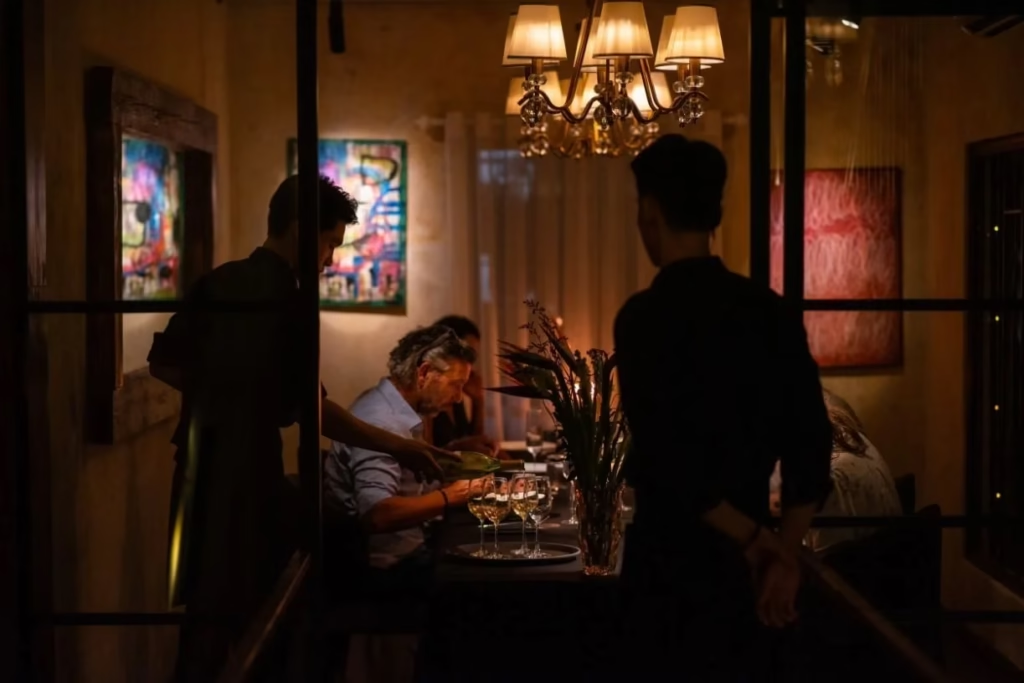
In Brooklyn, a former fine-dining chef hosts monthly dinners for just 12 guests inside a restored brownstone basement. Invitations are sent via encrypted messaging. Phones are sealed upon arrival. The menu is handwritten and never repeated.
For many attendees, it’s the most memorable meal they’ve ever had.
Why Traditional Fine Dining Is Losing Its Allure
America isn’t short on great restaurants. So why are diners seeking alternatives?
The answer lies in experience fatigue.
Many frequent fine-dining patrons report feeling that upscale restaurants have become overly standardized. Tasting menus feel predictable. Dining rooms feel crowded. Service feels scripted. And increasingly, the focus feels like it’s on Instagram rather than intimacy.
Underground dining clubs address these frustrations head-on.
They offer:
- Small guest counts instead of packed dining rooms
- Chef interaction instead of distant kitchens
- One-night-only menus instead of standardized offerings
- Community instead of performance
For diners who already “have everything,” novelty and authenticity matter more than prestige.
The Psychology of Exclusivity: Why Secrecy Makes Food Taste Better
Behavioral research consistently shows that scarcity increases perceived value. Harvard Business School studies have demonstrated that restricted access doesn’t just elevate desire—it enhances emotional engagement.
But underground dining goes beyond status signaling.
People crave:
- Discovery in a predictable world
- Trust-based communities
- Experiences not shaped by algorithms
- Human connection over digital validation
Eating in a room where no one is filming, reviewing, or comparing notes creates a rare sense of presence. Guests aren’t performing—they’re participating.
Different Types of Secret Dining Clubs in the U.S.
While every club is unique, most underground gourmet experiences fall into recognizable categories.
Common formats include:
- Chef-led private supper clubs hosted in homes or studios
- Members-only culinary societies with annual dues
- Cultural or heritage dining circles preserving regional cuisines
- Anonymous tasting collectives with rotating chefs and locations
- Ultra-luxury private dining networks backed by investors
In Los Angeles, some clubs charge $4,000+ per year and limit membership to fewer than 100 people. In Chicago, others operate entirely on referrals and suggested donations.
Who Gets Invited — And Why Most People Never Will
One of the most searched questions online is: How do you get into a secret dining club?
The uncomfortable truth is that money alone rarely guarantees access.
Most clubs prioritize:
- Who referred you
- How you behave at events
- Respect for privacy and discretion
- Genuine interest in food culture
- Contribution to the group dynamic
Posting photos, asking too many questions, or treating the experience like a novelty can quietly end future invitations.
As one anonymous organizer put it:
“Discretion isn’t optional. It’s the price of entry.”
What Do Underground Gourmet Dinners Actually Serve?
Forget standard tasting menus.
These experiences often feature dishes that would be impossible to serve at scale. Chefs cook without the constraints of food cost, menu consistency, or public expectations.
Guests might encounter:
- Rare or hyper-seasonal ingredients
- Experimental techniques not yet restaurant-ready
- Family recipes never written down
- Cultural dishes rarely served publicly
- Collaborative menus between multiple chefs
At a private dinner in Texas, guests once experienced a 10-course menu built entirely around heirloom corn varieties sourced directly from Indigenous farmers—something no commercial restaurant could sustainably replicate.
How Much Does Membership Really Cost?
Prices vary widely depending on city, chef reputation, and format.
Typical price ranges:
- $150–$300 per person for single invite-only dinners
- $1,500–$5,000 for annual memberships
- Donation-based pricing for creative collectives
- $10,000+ for ultra-exclusive luxury clubs
Interestingly, many members say they spend less overall by replacing frequent high-end restaurant visits with fewer, more meaningful experiences.
Are These Underground Dining Clubs Legal?
This is a common concern—and the answer depends on how the club operates.
Most reputable clubs stay compliant by:
- Hosting private events rather than public services
- Using membership or donation-based models
- Avoiding public advertising
- Partnering with licensed kitchens when required
Because these are private gatherings rather than consumer-facing businesses, they typically operate within legal gray areas that are rarely challenged.
Why Top Chefs Are Moving Underground
According to the National Restaurant Association, burnout remains one of the biggest issues in the culinary industry. Long hours, thin margins, and online criticism have driven many talented chefs away from traditional kitchens.
Underground dining offers an alternative.
Chefs gain:
- Creative freedom
- Direct relationships with diners
- Lower overhead
- Higher per-event income
- Relief from online review culture
For many, it’s a return to cooking as craft rather than content.
Is the Gourmet Underground the Future of Luxury Dining?
Not for everyone—but for a growing niche, absolutely.
As experiences increasingly replace possessions, curated intimacy is becoming the new luxury. In this world, true status isn’t about being seen. It’s about being invited.
The gourmet underground doesn’t replace restaurants—it complements them by offering something restaurants cannot: secrecy, trust, and unrepeatable moments.
Practical Advice for Curious Diners
If you’re intrigued but don’t know where to start:
- Attend local chef collaborations and tastings
- Support small, independent food creators
- Build genuine relationships—not transactional ones
- Respect privacy and discretion at all times
- Never ask directly for invitations
In this world, patience matters more than persistence.
Frequently Asked Questions (Trending Searches)
1. What is a secret gourmet dining club?
Ans. A secret gourmet dining club is a private, invitation-only dining experience hosted outside traditional restaurants, often at undisclosed locations and led by professional chefs.
2. Are underground dining clubs safe?
Ans. Reputable clubs prioritize safety, vetted guests, and licensed kitchens, relying heavily on referrals and trust-based participation.
3. How do people find secret dining experiences in the U.S.?
Ans. Most people gain access through word-of-mouth, chef relationships, private newsletters, or referrals from existing members.
4. Are these clubs only for wealthy people?
Ans. Not always. While some are expensive, many focus more on community, culture, and creativity than income.
5. Do underground dining clubs allow photography?
Ans. Many explicitly ban photography to protect privacy and preserve the experience.
6. Are secret supper clubs legal in America?
Ans. Most operate legally by hosting private events or using membership-based structures rather than public sales.
7. Why are chefs leaving restaurants for private dining?
Ans. Creative freedom, reduced burnout, higher margins, and deeper guest connections are major reasons.
8. Which U.S. cities have the most underground dining clubs?
Ans. New York City, Los Angeles, San Francisco, Chicago, Austin, and Miami are major hubs.
9. Can tourists join underground gourmet experiences?
Ans. Occasionally, but locals with referrals are far more likely to gain access.
10. Will underground dining replace restaurants?
Ans. No. It serves as a complementary alternative for diners seeking intimacy and exclusivity rather than mass appeal.
Final Thoughts
America’s secret gourmet underground isn’t about hiding food—it’s about protecting meaning.
In a culture obsessed with visibility, these dining clubs remind us that the most powerful experiences are often the quietest ones. They aren’t meant to be broadcast. They’re meant to be remembered.
And that may be why you weren’t supposed to know about them at all.





Leave a Reply