
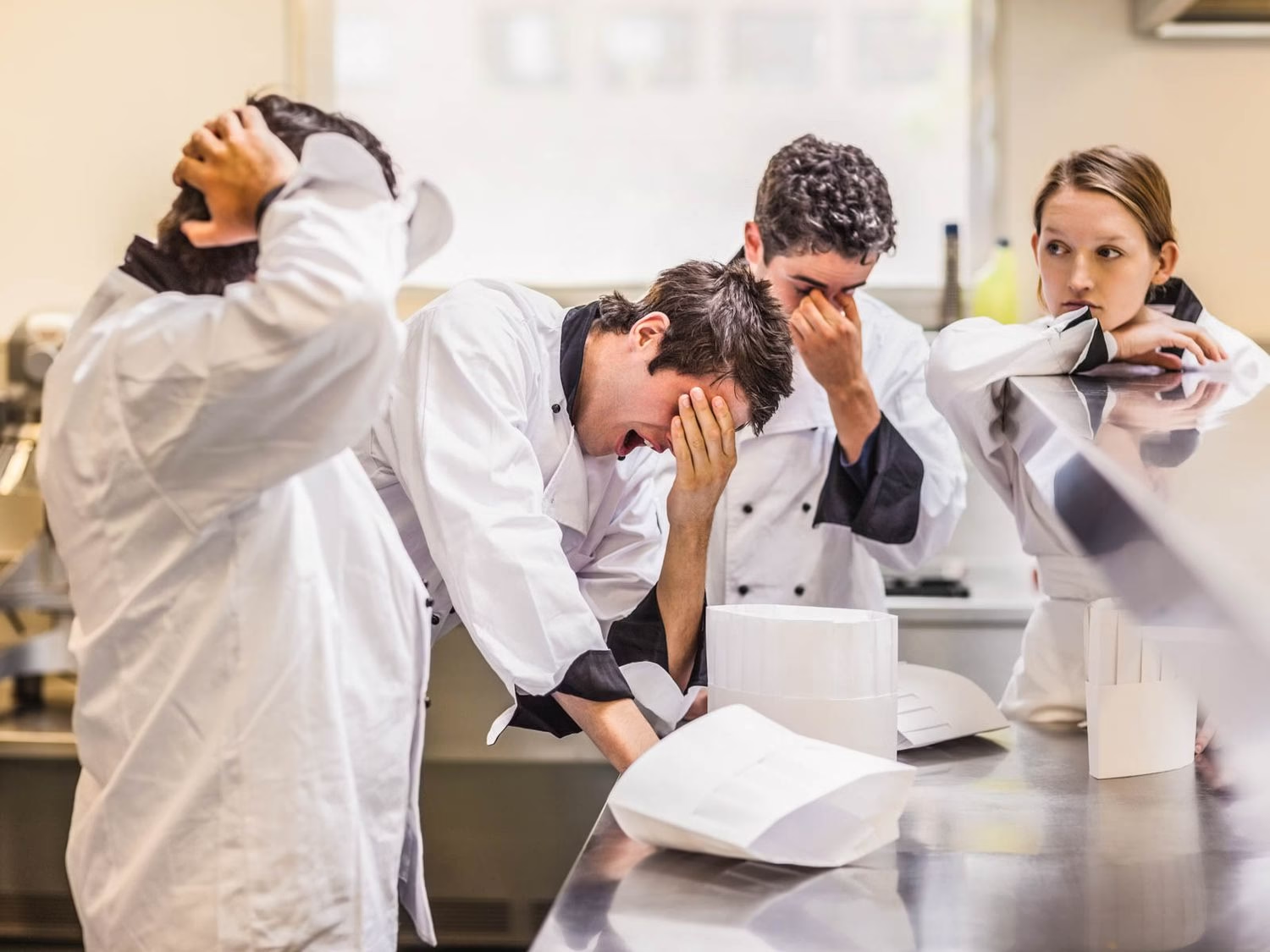
Across American cities, a $12 street snack is outselling $100+ fine-dining dishes, reshaping how people eat and how chefs think about value. Fueled by social media, rising costs, and changing consumer psychology, street food now delivers higher daily revenue than many upscale restaurants. This shift reveals a deeper transformation in dining culture, economics, and what modern Americans truly want from food.
A Strange Scene Is Playing Out Across America
On a Friday night in downtown Los Angeles, a line of nearly 40 people snakes down the sidewalk. The smell of sizzling beef and toasted buns fills the air. Phones are out. Cameras are rolling. Everyone is waiting patiently—for a $12 smash burger from a food truck with no reservations, no linen napkins, and no dress code.
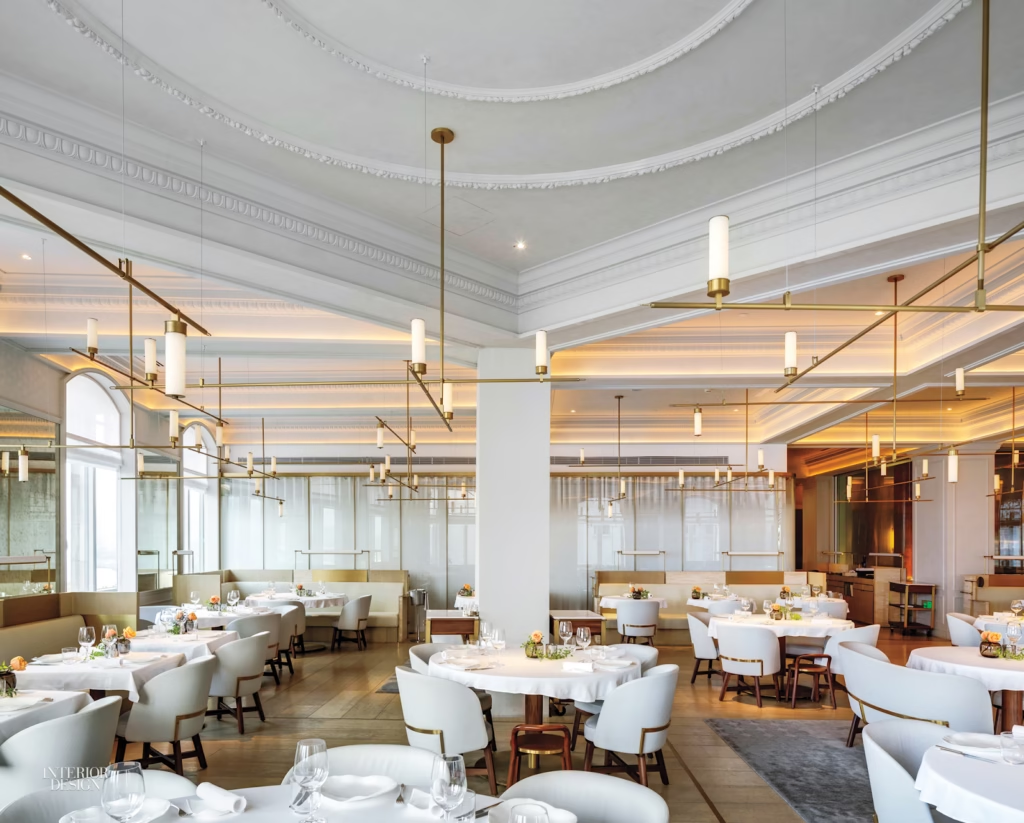
Two blocks away, inside a sleek fine-dining restaurant with a tasting menu priced at $165 per person, several tables sit empty.
This contrast is no longer unusual. In cities like New York, Austin, Chicago, Miami, and San Francisco, street snacks priced around $10–$15 are now outselling fine-dining dishes by volume, revenue, and cultural relevance.
And for many chefs trained in elite kitchens, this reality is deeply unsettling.
What Exactly Is the $12 Street Snack Everyone Wants?
The specific item changes by city, but the formula remains remarkably consistent.
It’s usually one of the following:
- A crispy-edged smash burger layered with melted American cheese
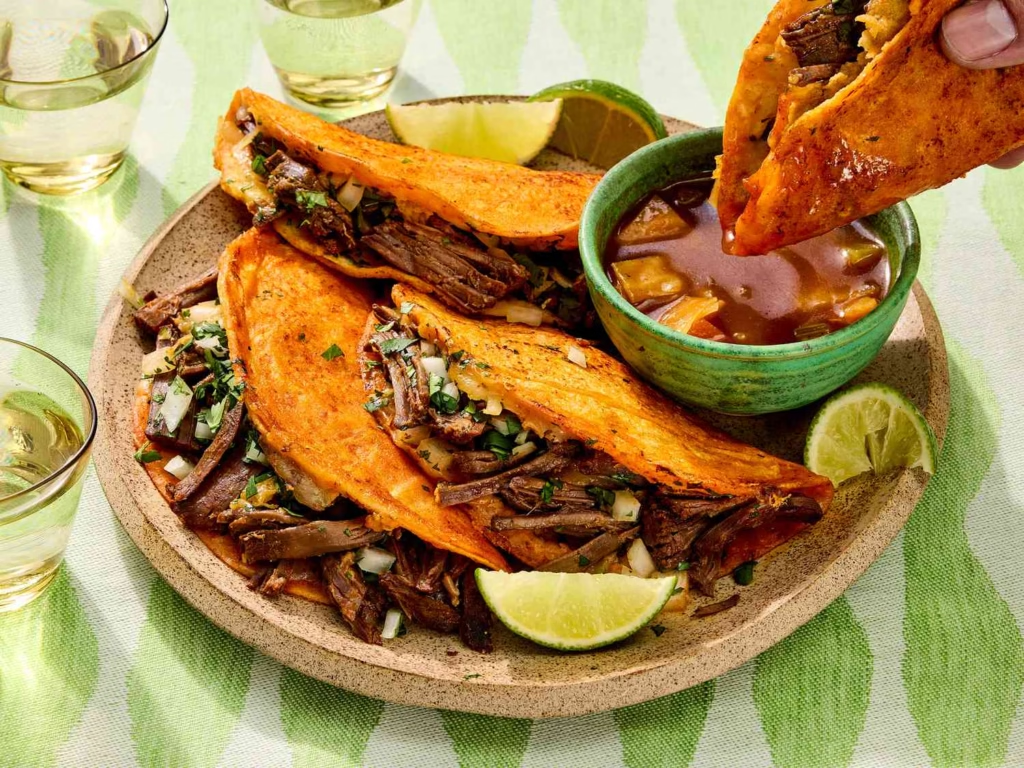
- Birria tacos served with rich consommé for dipping
- Korean corn dogs coated in sugar, crumbs, or hot Cheetos
- Nashville hot chicken sandwiches dripping with spice and sauce
- Thick-cut Detroit-style pizza with caramelized cheese edges
These foods are bold, indulgent, and instantly gratifying. They photograph beautifully. They’re easy to understand. And most importantly, they deliver maximum flavor for minimal commitment.
In a time when a casual restaurant meal can easily cost $30–$40 per person, a $12 street snack feels like a win.
Why Are Americans Choosing Street Food Over Fine Dining?
This shift isn’t about declining taste or sophistication. It’s about changing priorities.
The Post-Pandemic Value Reset
After years of inflation, layoffs, and economic uncertainty, Americans are far more intentional about how they spend money on experiences. Dining out is no longer automatic—it’s evaluated.
A $12 snack feels:
- Low-risk
- Flexible
- Spontaneous
- Emotionally rewarding
A $150–$300 fine-dining experience feels:
- Time-consuming
- Financially risky
- Reserved for rare occasions
- Harder to justify weekly or monthly
According to data from the U.S. Bureau of Labor Statistics, food-away-from-home spending continues to rise—but consumers are favoring quick-service, fast-casual, and street-style formats over traditional sit-down restaurants.
The result is a dramatic reallocation of where food dollars go.
How Social Media Turned Street Food Into a Powerhouse
Street food didn’t just benefit from social media—it was built for it.
On TikTok, Instagram Reels, and YouTube Shorts, food content thrives when it is:
- Visually dramatic
- Immediately understandable
- Emotionally satisfying
- Under 60 seconds
Street snacks check every box.
A cheese pull. A sizzling griddle. A dunked taco dripping with broth. These moments translate perfectly to vertical video.
According to DataReportal, over 70% of Americans under 45 discover new food spots primarily through social media, not reviews or food critics. That audience also drives the majority of dining-out growth.
Fine dining, by contrast, relies on nuance, pacing, and atmosphere—qualities that rarely survive a 15-second clip.
Are Street Vendors Really Outselling Fine-Dining Restaurants?
In many cases, yes—and by a surprising margin.
Here’s why the economics favor street food:
- Faster customer turnover
- Smaller menus with lower food waste
- Minimal staffing requirements
- Lower rent or permit costs
- Shorter service times
A popular food truck in New York City selling 600 items per day at $12 each generates $7,200 in daily gross revenue—often with just three or four employees.
Meanwhile, many fine-dining restaurants struggle to break even due to high labor costs, expensive ingredients, and long service times, even with significantly higher prices.
This imbalance is why chefs are paying attention—and panicking.
Why Even Michelin-Star Chefs Are Embracing Street Food
In recent years, a quiet shift has occurred in the careers of elite chefs.
Instead of opening more white-tablecloth restaurants, many are launching:
- Burger counters
- Taco shops
- Fried chicken concepts
- Bakery-driven pop-ups
This isn’t a downgrade. It’s a strategic pivot.
High-profile chefs have openly acknowledged that casual concepts offer:
- More consistent cash flow
- Larger audiences
- Lower burnout
- Greater creative freedom
A $12 dish eaten by 10,000 people can have more cultural impact than a $250 tasting menu served to 300.
That realization is redefining culinary success.
The Emotional Truth Chefs Struggle to Admit
For many chefs, the frustration isn’t financial—it’s personal.
They spent years mastering technique, precision, and presentation. They endured brutal kitchens, long hours, and enormous pressure. And now, a single-item street snack is outperforming their life’s work.
Street food exposes a hard truth:
People don’t eat technique. They eat feeling.
Right now, street snacks deliver nostalgia, comfort, indulgence, and joy faster than formal dining experiences can.
And in an overstimulated, time-starved culture, that matters more than ever.
Is Fine Dining Dying—or Just Changing?
Fine dining isn’t disappearing. It’s shrinking into a niche.
It’s becoming:
- More experiential
- More story-driven
- More occasion-based
- Less frequent
What’s disappearing is the middle ground—the expensive but not extraordinary restaurant that offers neither the accessibility of street food nor the artistry of true fine dining.
Modern diners ask a simple question:
“Is this worth five times the price of that amazing street snack?”
If the answer isn’t obvious, they walk.
What This Trend Says About the Future of Food in America
This movement reflects deeper cultural shifts:
- Authenticity over prestige
- Flavor over formality
- Flexibility over ritual
- Community over exclusivity
Food is no longer a status symbol—it’s an emotional outlet.
That’s why a $12 snack can feel more luxurious than a $150 meal.
Key Takeaways for Diners, Chefs, and Entrepreneurs
- Diners want bold flavor without long commitments
- Chefs must rethink value, not just quality
- Restaurants need to earn attention, not assume it
- Social media is now a core business channel
- Emotional connection beats technical perfection
The winners won’t be the cheapest or the fanciest—but the most human.
Frequently Asked Questions (SEO-Optimized)
1. Why is street food becoming more popular than fine dining in the U.S.?
Ans. Street food offers affordability, speed, bold flavors, and social media appeal, aligning better with modern lifestyles and economic pressures.
2. What is the most popular $12 street snack in America right now?
Ans. Smash burgers, birria tacos, Korean corn dogs, Nashville hot chicken sandwiches, and Detroit-style pizza dominate most cities.
3. Are fine-dining restaurants losing customers?
Ans. Many are seeing fewer reservations and higher costs, though top-tier restaurants still thrive for special occasions.
4. Is social media really influencing what people eat?
Ans. Yes. A majority of younger diners discover food through TikTok and Instagram, favoring visually engaging, street-style foods.
5. Are food trucks more profitable than restaurants?
Ans. Often yes, due to lower overhead, smaller menus, and faster service.
6. Do professional chefs respect street food?
Ans. Increasingly so. Many chefs view street food as the purest form of culinary expression and connection.
7. Is street food healthier than restaurant food?
Ans. Not necessarily. Health varies by vendor, but consumers prioritize flavor and experience over nutrition in this context.
8. Will fine dining disappear completely?
Ans. No. It’s evolving into a more exclusive, experience-driven niche rather than an everyday option.
9. Why do street food businesses grow so quickly?
Ans. They benefit from low startup costs, viral visibility, and strong word-of-mouth marketing.
10. What does this trend mean for the future of restaurants?
Ans. Expect more hybrid models blending street-level accessibility with chef-driven quality and storytelling.
Final Thought: This Isn’t About Price—It’s About Power
The $12 street snack isn’t winning because it’s cheaper.
It’s winning because it understands modern desire.
It respects time.
It delivers joy instantly.
It feels human, not intimidating.
Chefs aren’t losing their minds because street food is succeeding.
They’re losing their minds because it’s reminding everyone why food mattered in the first place.





Leave a Reply