

Luxury travel is evolving beyond five-star hotels and first-class flights. Today’s affluent travelers increasingly prioritize personalization, privacy, meaningful experiences, wellness, sustainability, and exclusive access over traditional status symbols. As technology, global mobility, and changing consumer expectations reshape the industry, luxury travel providers are adapting by offering customized itineraries, private experiences, and deeper cultural connections that reflect a new definition of premium travel.
The New Era of Luxury Travel
Luxury travel has undergone a remarkable transformation over the past decade. While upscale accommodations, premium transportation, and exceptional service remain important, travelers with significant discretionary income are increasingly seeking something more valuable than material luxury alone: personalized experiences that feel unique, authentic, and meaningful.
Industry reports from organizations such as the World Travel & Tourism Council and leading luxury travel agencies consistently show that high-net-worth travelers are spending more on experiences rather than physical possessions. This shift reflects broader changes in consumer behavior, where exclusivity is no longer measured solely by price but by access, customization, and personal relevance.
A luxury traveler today may be less interested in simply staying at a renowned resort and more interested in gaining private access to cultural landmarks, meeting local experts, participating in behind-the-scenes experiences, or enjoying itineraries specifically designed around personal passions.
As a result, luxury travel is transitioning from a product-based industry to an experience-based one.
Why Personalization Has Become the Ultimate Luxury
One of the most significant trends reshaping premium travel is hyper-personalization.
Modern travelers expect travel providers to understand their preferences, anticipate needs, and create experiences tailored to individual interests. Advanced technology, customer data analysis, and dedicated travel advisors now make this possible at unprecedented levels.
Instead of purchasing a standardized luxury package, travelers increasingly seek:
- Customized dining experiences
- Personalized wellness programs
- Private cultural tours
- Interest-based itineraries
- Multi-generational family travel planning
- Adventure experiences aligned with specific hobbies
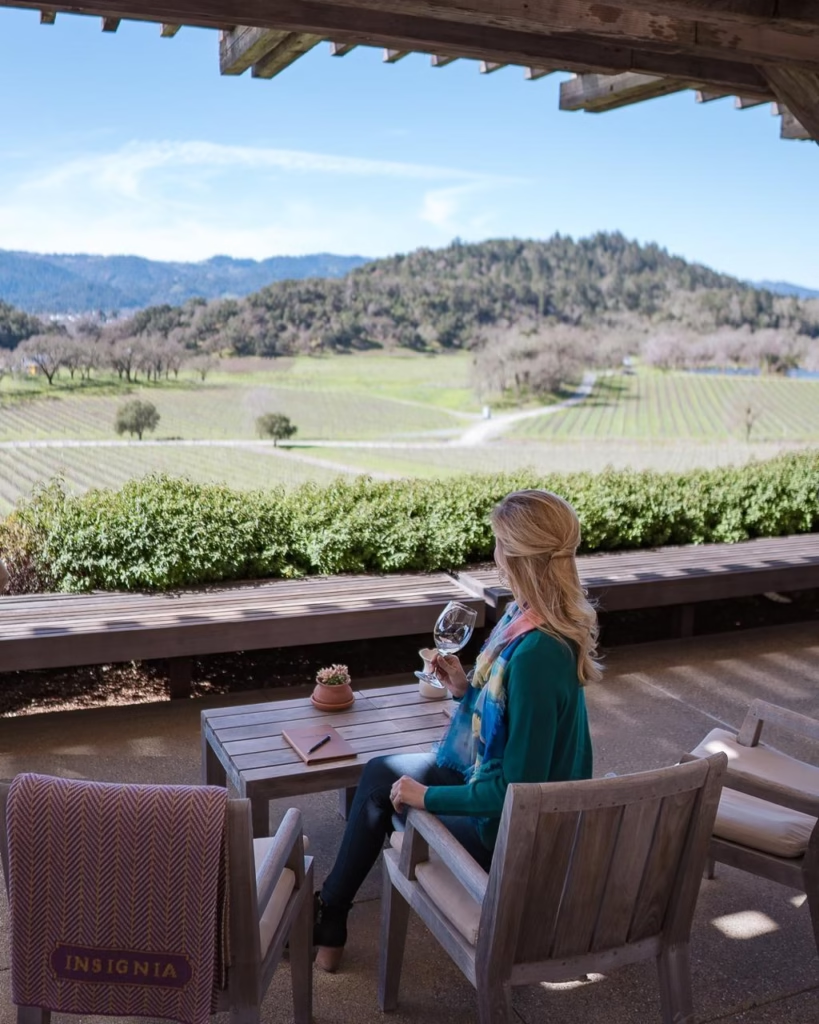
For example, a luxury traveler visiting Italy may receive a personalized itinerary focused entirely on regional wine production, private vineyard access, and exclusive culinary experiences. Another traveler may prioritize architecture, receiving private tours led by local historians and restoration experts.
This level of customization transforms travel from a transactional purchase into a deeply personal experience.
The Growing Demand for Private Access
Privacy has become one of the most sought-after elements in modern luxury travel.
The pandemic accelerated demand for private travel experiences, but the trend has continued because travelers increasingly value control, exclusivity, and flexibility.
Private access now extends far beyond private jets.
High-end travelers increasingly seek:
- Private villa rentals
- Exclusive-use resorts
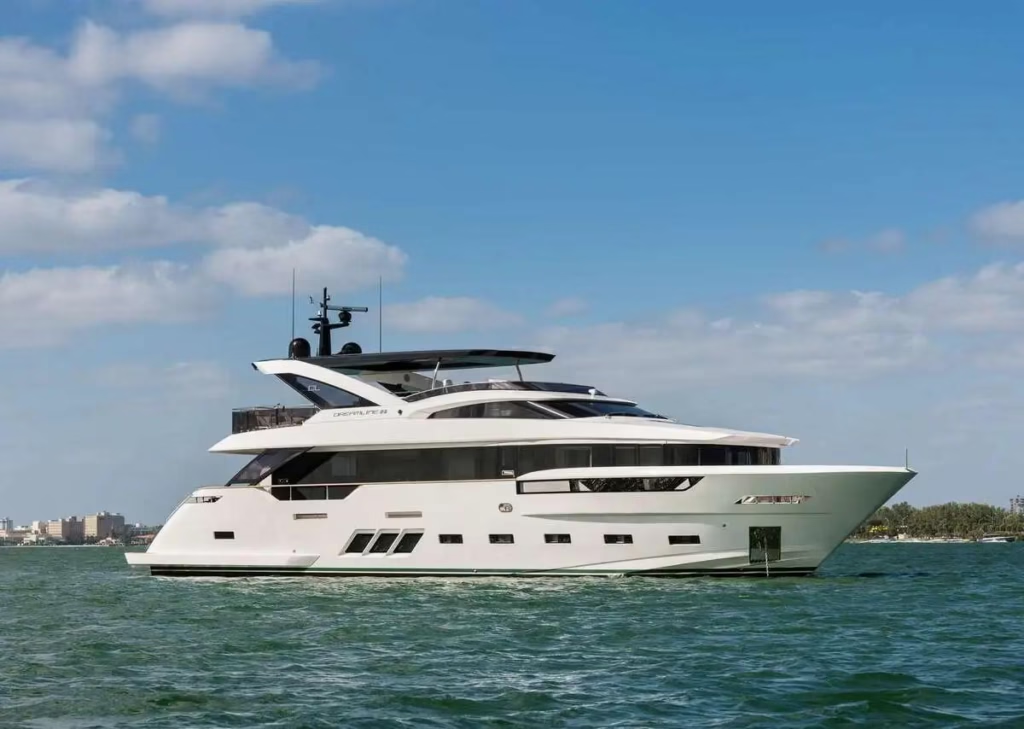
- Yacht charters
- Private museum tours
- After-hours landmark access
- Concierge-arranged experiences
- Small-group expeditions
Many luxury hospitality providers have expanded private offerings to meet this demand. Guests can now arrange private dinners inside historical venues, secure exclusive beach access, or enjoy guided experiences unavailable to the general public.
The appeal lies not only in exclusivity but also in convenience. Travelers can avoid crowds, maintain flexible schedules, and enjoy a more intimate connection with destinations.
How Wellness Became Central to Luxury Travel
Luxury travel once focused primarily on indulgence. Increasingly, however, wellness has become a major priority.
Today’s affluent travelers often view travel as an opportunity to improve physical health, mental well-being, and overall quality of life.
Luxury wellness travel now includes:
- Comprehensive health assessments
- Personalized fitness programs
- Sleep optimization retreats
- Nutrition consultations
- Stress management experiences
- Mindfulness and meditation programs
- Longevity-focused travel packages
Many premium resorts have invested heavily in medical wellness facilities, advanced spa treatments, and evidence-based health programs.
Travelers are no longer simply seeking relaxation. Many want measurable outcomes that contribute to long-term health goals.
This trend is particularly strong among professionals seeking recovery from demanding careers and retirees focused on healthy aging.

Sustainability Is Reshaping High-End Travel Decisions
A growing number of luxury travelers are evaluating destinations and accommodations through the lens of sustainability.
This does not necessarily mean sacrificing comfort. Instead, travelers increasingly expect premium experiences to incorporate responsible environmental practices.
Factors influencing booking decisions often include:
- Renewable energy initiatives
- Conservation programs
- Reduced waste operations
- Sustainable food sourcing
- Community engagement efforts
- Wildlife protection programs
Luxury properties are responding by investing in environmentally responsible infrastructure while maintaining premium service standards.
For example, some high-end lodges operate using renewable energy systems while supporting local conservation initiatives. Others focus on preserving cultural heritage through partnerships with local communities.
Affluent travelers increasingly view sustainability as a component of quality rather than a compromise.
The Rise of Experiential Luxury
Traditional luxury often emphasized visible signs of wealth. Modern luxury increasingly emphasizes memorable experiences.
Experiential travel focuses on creating moments that cannot easily be replicated.
Examples include:
- Private access to archaeological sites
- Guided expeditions with scientists
- Culinary experiences with renowned chefs
- Cultural immersion programs
- Exclusive sporting event access
- Customized wildlife encounters
- Behind-the-scenes entertainment experiences
Many travelers now consider these experiences more valuable than luxury amenities alone.
A private dinner overlooking a historic landmark, for example, may create stronger emotional value than a larger hotel suite. Similarly, meeting local artisans and participating in cultural traditions often leaves a more lasting impression than standard sightseeing.
The emphasis has shifted toward storytelling, authenticity, and personal connection.
Technology’s Role in Personalized Luxury Travel
Technology is becoming an increasingly important tool in delivering premium travel experiences.
Artificial intelligence, predictive analytics, and sophisticated customer relationship systems help travel providers understand traveler preferences and anticipate needs.
Luxury travel companies can now use technology to:
- Track guest preferences
- Recommend personalized experiences
- Optimize itineraries
- Improve concierge services
- Enhance travel logistics
- Deliver seamless communication
Mobile applications increasingly allow travelers to customize experiences in real time, adjust schedules, request services, and receive personalized recommendations.
At the same time, successful luxury providers recognize that technology should enhance—not replace—human service.
The most effective luxury experiences combine digital convenience with genuine human expertise.
Multi-Generational Travel Is Expanding
Family travel has become an increasingly important segment within the luxury market.
Many affluent families are prioritizing shared experiences across multiple generations.
These trips often include grandparents, parents, and children traveling together, creating unique planning requirements.
Successful luxury providers now offer:
- Flexible accommodations
- Customized activities by age group
- Private family experiences
- Educational opportunities
- Wellness programming
- Adventure options for varying abilities
Multi-generational travel often combines celebration, education, and relationship building.
Families increasingly view travel as an investment in shared memories rather than material gifts, driving demand for larger villas, private residences, and tailored family-focused itineraries.
What American Luxury Travelers Are Prioritizing Today
Consumer preferences among American luxury travelers continue to evolve.
Recent trends suggest several consistent priorities:
Authenticity
Travelers increasingly seek genuine local experiences rather than curated tourist attractions.
Flexibility
Adaptable itineraries have become more important than rigid schedules.
Privacy
Exclusive access and crowd avoidance remain significant priorities.
Wellness
Health-focused travel experiences continue to gain popularity.
Meaningful Experiences
Travelers increasingly value emotional impact over visible luxury.
Convenience
Seamless logistics and personalized service remain essential.
The combination of these priorities is reshaping how luxury travel providers design products and experiences.
How Luxury Hotels and Resorts Are Adapting
Hospitality providers are responding to changing traveler expectations through significant operational changes.
Many luxury properties are investing in:
- Dedicated experience curators
- Personalized guest profiles
- Expanded wellness facilities
- Sustainability initiatives
- Private accommodations
- Local cultural partnerships
- Customized dining programs
Hotels increasingly compete based on experience quality rather than room size alone.
Some properties now employ specialists focused entirely on designing bespoke guest experiences. Others collaborate with local experts, historians, chefs, and artists to create unique opportunities unavailable elsewhere.
These investments reflect the growing recognition that travelers value personalization as much as traditional luxury amenities.
Frequently Asked Questions
What defines luxury travel today?
Luxury travel increasingly focuses on personalization, exclusive access, privacy, meaningful experiences, wellness, and exceptional service rather than simply expensive accommodations or transportation.
Why is personalization so important in luxury travel?
Personalization allows travelers to enjoy experiences aligned with their interests, preferences, and goals, making trips more meaningful and memorable.
Is luxury travel becoming more experience-focused?
Yes. Many travelers now prioritize unique experiences, cultural immersion, and exclusive access over traditional luxury symbols.
How important is sustainability to affluent travelers?
Sustainability is becoming increasingly important, particularly among travelers who want premium experiences that also support environmental and community initiatives.
What role does technology play in luxury travel?
Technology helps providers understand traveler preferences, improve convenience, personalize services, and streamline travel logistics.
Are private travel experiences still popular?
Yes. Demand for private villas, private tours, yacht charters, and exclusive-use accommodations remains strong.
What is wellness tourism?
Wellness tourism focuses on improving physical, mental, and emotional well-being through travel experiences such as spa programs, fitness retreats, and health-focused itineraries.
Why is multi-generational travel growing?
Families increasingly value shared experiences and memory-making opportunities, leading to greater demand for customized family-focused luxury travel.
How are luxury hotels adapting to changing traveler expectations?
Hotels are investing in personalized service, wellness facilities, sustainability initiatives, local partnerships, and experience-focused programming.
What trends will likely shape luxury travel in the future?
Personalization, wellness, sustainability, private access, technology integration, and experiential travel are expected to remain major drivers of future growth.
Navigating the Future of Premium Exploration
Luxury travel is no longer defined solely by opulence, prestige, or visible status. Instead, it is increasingly shaped by personalization, privacy, wellness, authenticity, and meaningful experiences. Travelers want journeys that reflect their individual interests and values while providing seamless service and exceptional access.
As consumer expectations continue to evolve, the most successful luxury travel providers will be those capable of combining human expertise, technology, sustainability, and customized experiences into journeys that feel genuinely unique. In this new era, luxury is becoming less about what travelers own and more about what they experience, learn, and remember.




Leave a Reply