
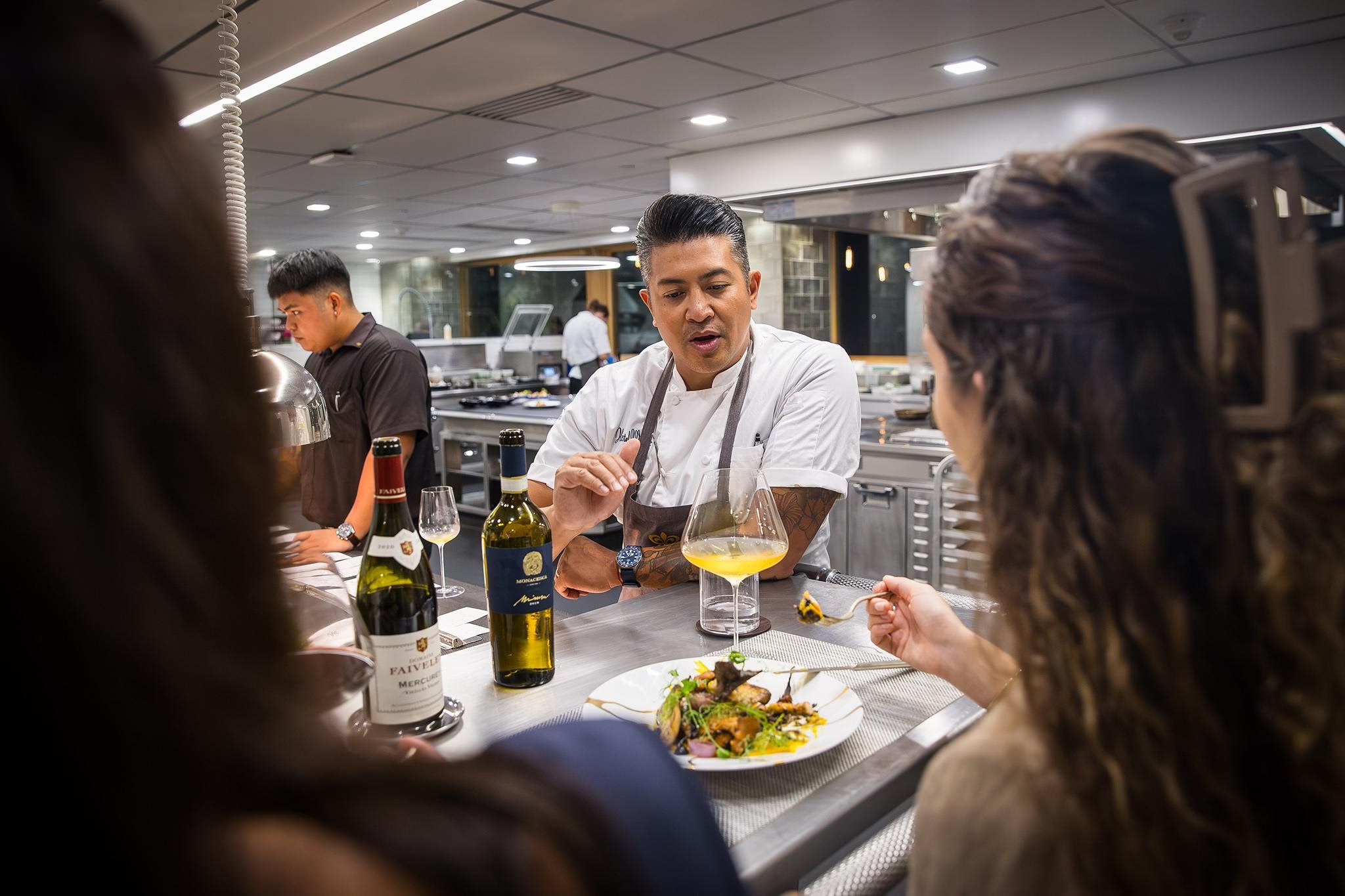
Gourmet travel in 2026 is less about chasing a fancy reservation and more about using food to understand a place. American travelers are planning trips around chef-led tastings, neighborhood food culture, regional ingredients, farm dinners, wine trails, and cooking classes because these experiences feel memorable, local, and easier to personalize. The strongest gourmet trips combine excellent meals with context, access, and a clear sense of place.
Why gourmet travel has moved from niche luxury to mainstream trip planning
For a long time, “food travel” often sounded like a narrow category reserved for wine collectors, Michelin regulars, or travelers booking a once-a-year splurge. In 2026, that picture looks much broader. More Americans now treat food as a central part of trip planning, not just an activity to fill evenings after sightseeing. The destination itself may still matter, but the restaurant scene, regional specialties, cooking culture, and quality of local ingredients increasingly shape where people go, how long they stay, and what they budget for.
That shift is visible in both industry data and traveler behavior. TravelBoom’s 2026 leisure travel study found that nearly 80% of travelers consider food an important or very important factor when choosing a destination. Grand View Research has also noted that food-focused travel continues to benefit from rising interest in local cuisine, cultural immersion, and experience-led spending. Food & Wine, citing a 2025 Talker Research survey, reported that one in five Americans had taken a trip specifically for food, with average spending on those trips reaching roughly $910.
What matters here is not just the size of the market. It is the type of demand. Travelers are not only searching for “best restaurants in Austin” or “Michelin restaurants in Napa.” They are asking more practical and experience-oriented questions:
- Which U.S. cities are worth visiting for a long weekend if food is the priority?
- Is a chef’s table worth the price?
- What’s the difference between a tasting menu and a genuinely local food experience?
- How do you plan a gourmet trip without overspending?
- Are farm dinners, food halls, and market tours better than booking one expensive restaurant?
Those questions reflect a more mature food-travel mindset. Travelers want better meals, but they also want a trip that feels grounded, memorable, and intelligently planned.
What “gourmet experiences” really mean in 2026
The phrase “gourmet experiences” can sound vague if it is reduced to white tablecloths and multi-course menus. In practice, the category has widened. In 2026, gourmet travel usually refers to food experiences that are curated, place-specific, and meaningfully above the everyday standard—without necessarily being formal or expensive.
A gourmet experience might be a chef’s counter in Charleston where the menu changes based on what came in from Lowcountry farms that morning. It might be a taco crawl in Los Angeles led by a local food writer who explains regional Mexican cooking traditions. It could be a vineyard lunch in Sonoma, an oyster farm tour in Rhode Island, a pastry workshop in New York, or a seafood tasting menu in Portland, Maine built around the day’s catch.
In other words, gourmet no longer simply means luxurious. It increasingly means thoughtful.
The strongest gourmet experiences tend to share five qualities:
1) They are tied to a specific place
A memorable food experience should tell you something about where you are. New Orleans should not feel like Scottsdale on the plate. Santa Fe should not feel like Chicago. The ingredients, cooking techniques, history, and service style should carry some local identity.
2) They offer context, not just consumption
A good meal is enjoyable. A good gourmet experience explains itself. Diners increasingly value menus that tell them where ingredients came from, why a dish matters regionally, or how a chef interprets a local tradition.
3) They balance quality with access
Not every traveler wants a four-hour tasting menu. Many want a gourmet experience that still feels relaxed: a wine bar with serious small plates, a market tour ending in lunch, or a hotel restaurant with a seasonal regional menu.
4) They create a memory beyond the plate
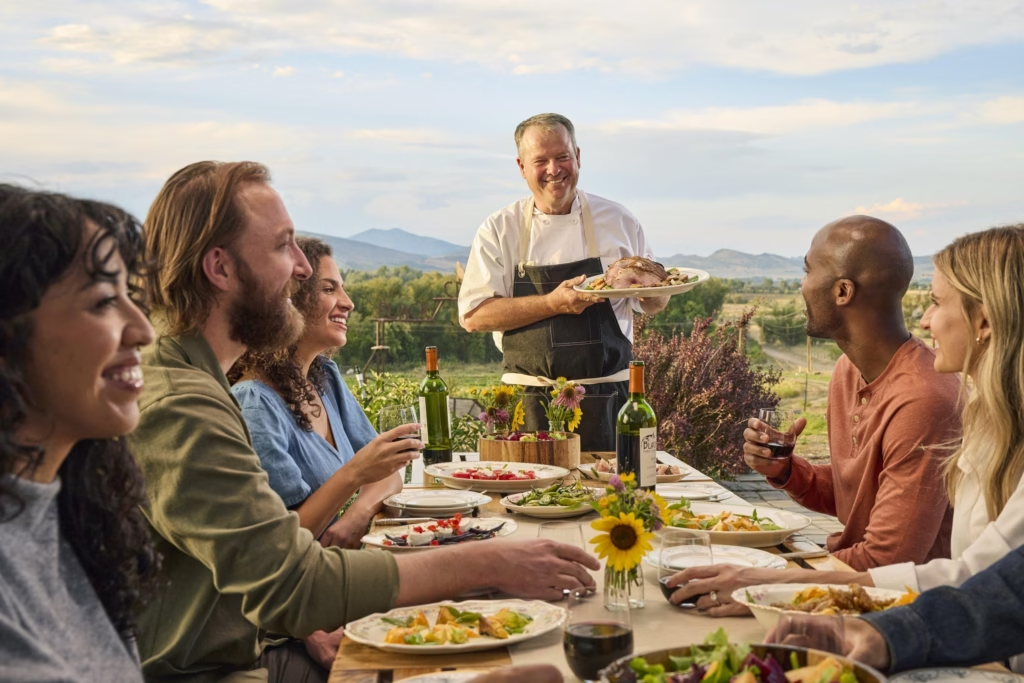
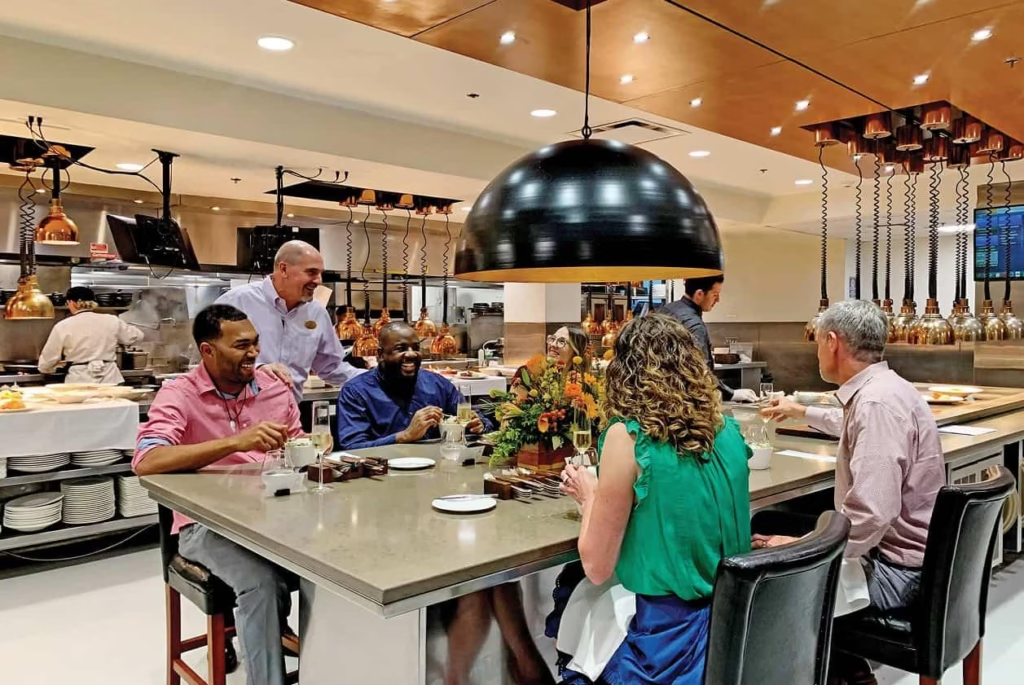
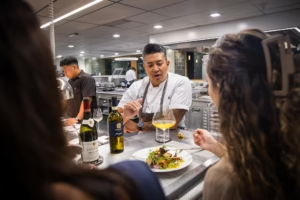
A meal becomes more memorable when it includes a setting, a story, a person, or a process. Watching a chef finish dishes at a counter, eating on a vineyard terrace, joining a pitmaster-led barbecue tasting, or learning to make regional pasta all deepen the experience.
5) They feel intentional rather than generic
The most disappointing “gourmet” experiences are often the ones that look polished but could be transplanted anywhere. Travelers are getting better at spotting those. They increasingly reward restaurants and food experiences that feel rooted, specific, and well executed.
Why more U.S. travelers are planning entire trips around food
The simplest answer is that food has become one of the easiest ways to make a trip feel distinct. Many classic vacation activities have become standardized: hotel rooms can blur together, downtown shopping districts often repeat the same brands, and heavily photographed attractions can feel familiar before you even arrive. Food still has the power to surprise people.
A well-planned meal can compress a destination’s history, geography, immigration story, agriculture, and hospitality culture into a single evening. That is part of why culinary travel is becoming more attractive to American travelers who want depth without the complexity of building an academic itinerary.
There are also practical reasons behind the shift.
Food-centered trips often feel more efficient and more personal
Planning around food gives travelers a clear framework. If you are choosing between Nashville, New Orleans, and Charleston for a three-day trip, the restaurant scene can become the deciding factor because it helps structure the entire itinerary. Breakfast neighborhoods, market visits, cocktail bars, chef tastings, and specialty food shops create natural anchors for each day.
Food also personalizes travel more easily than many other categories. One traveler might build a trip around regional barbecue and bourbon. Another might focus on bakery culture, seafood, and wine. A third may care about vegetarian tasting menus, sustainable farms, and cooking classes. All three are “gourmet” trips, but they are customized around taste, pace, and budget.
That flexibility matters in 2026 because travelers are increasingly mixing priorities. They may want one standout splurge meal, two neighborhood spots, one market visit, and one scenic lunch rather than a fully luxury itinerary. Gourmet travel works well because it scales up or down.
The most appealing gourmet trips in 2026 are not only about fine dining
One of the biggest changes in food travel is that many travelers are no longer chasing prestige alone. Michelin stars and major awards still influence decisions, especially in cities like New York, Washington, D.C., Chicago, Miami, and San Francisco. But surveys and industry reporting suggest that local experiences and street-level food culture often matter as much as formal dining, and sometimes more. Travel Weekly recently highlighted that unique local food experiences and street food are now ranking above fine dining for many travelers when evaluating destinations.
That does not mean fine dining is losing relevance. It means it is being repositioned inside a broader food itinerary.
A well-designed gourmet trip in 2026 might include:
- one major tasting-menu dinner
- one chef-led lunch or chef’s counter experience
- one food market or neighborhood tasting tour
- one regional specialty meal that locals actually recommend
- one casual but excellent breakfast or bakery stop
- one beverage-focused experience such as a winery, cocktail program, brewery, tea service, or coffee roasting tour
This is a healthier model for many travelers because it reduces pressure. Instead of trying to make one expensive reservation “carry” the trip, travelers spread the value across multiple formats and price points.
What travelers are actually looking for when they search for gourmet experiences
The search intent behind gourmet travel has become more specific. People are not just looking for “best food cities.” They want to know what kind of food trip will fit their style, time frame, and budget.
Here are the most common things travelers are really trying to solve for:
1. They want meals that feel worth planning around
A restaurant becomes destination-worthy when it offers at least one of the following: a hard-to-replicate local specialty, a chef with a clear point of view, an exceptional setting, or access to ingredients that are unusually fresh or regionally distinctive.
For example, a seafood-focused trip to Portland, Maine works because the experience extends beyond “good lobster.” Travelers can build an itinerary around oyster bars, dockside seafood, modern New England tasting menus, and day trips to working coastal communities. Similarly, a Napa or Sonoma trip can combine Michelin-level dining with vineyard lunches, cheese stops, olive oil tastings, and winery hospitality that turns eating and drinking into a full-day activity.
2. They want authenticity without sacrificing comfort
Most U.S. travelers do not want a trip that feels like a research project. They want local food, but they also want booking clarity, clean logistics, and some confidence that the experience will deliver.
That is why curated food tours, chef collaborations, hotel dining programs, and restaurant neighborhoods have become so useful. They reduce uncertainty while still offering access to regional flavor. The sweet spot for many travelers is a trip where the food feels local and exciting but the planning does not become exhausting.
3. They want experiences that justify the price
Travelers are more value-conscious than they were during the peak “revenge travel” years. Even affluent travelers increasingly ask whether a tasting menu, wine pairing, or chef’s table actually delivers enough substance to justify the spend.
In practice, the answer is yes when the experience includes some combination of:
- unusual access to the chef or kitchen
- ingredient sourcing that is difficult to replicate elsewhere
- thoughtful beverage pairing
- a memorable setting
- strong pacing and hospitality
- dishes that teach you something about the region
The answer is often no when the restaurant relies mainly on luxury signaling, generic plating theatrics, or a menu that feels disconnected from the destination.
Which U.S. destinations are especially strong for gourmet travel right now?
The answer depends on what kind of gourmet traveler someone is, but several U.S. destinations stand out because they offer depth rather than a single marquee meal.
New Orleans, Louisiana
New Orleans remains one of the most complete food destinations in the country because the culinary experience extends from iconic institutions to contemporary tasting menus. A serious food trip can include Creole classics, po’ boys, oyster bars, cocktail history, pastry culture, and chef-driven modern Louisiana cooking.
Charleston, South Carolina
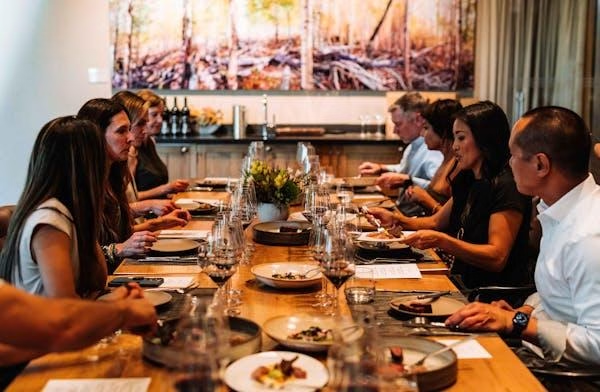
Charleston works especially well for travelers who want a polished but still place-driven dining scene. Lowcountry ingredients, seafood, Southern technique, and a high concentration of strong restaurants make it easy to plan a three- or four-day gourmet itinerary.
New York City
New York is less about a single culinary identity and more about range. It is one of the best places in the country for travelers who want to combine luxury dining, neighborhood specialists, bakeries, global cuisines, and food shopping in one trip. It rewards travelers who plan carefully by neighborhood.
Santa Fe, New Mexico
Santa Fe has become especially attractive to travelers who want a sense of place. The region’s ingredients, chile traditions, Native and Hispanic influences, and strong arts-and-hospitality culture make food feel deeply tied to the destination.
Napa and Sonoma, California
These regions are still among the easiest places in America to build a high-quality gourmet trip because food, wine, landscape, and hospitality are already integrated. The key is avoiding an itinerary that is all tasting rooms and no real meal planning.
Chicago, Illinois
Chicago remains one of the country’s best values for serious dining relative to New York or parts of California. It offers both high-end culinary ambition and a strong bench of neighborhood restaurants, steakhouses, bakeries, and global food communities.
How to plan a gourmet trip without turning it into an expensive blur
One of the biggest mistakes travelers make is overbooking. Food-focused travel works best when the itinerary leaves room for appetite, walking, spontaneity, and recovery. A gourmet trip should feel satisfying, not punishing.
A more effective approach is to build the trip around a few anchor experiences and let the rest support them.
A practical structure for a three-day gourmet trip
Use one standout reservation per day, then build the surrounding meals more casually.
Day 1:
Late lunch in a strong neighborhood restaurant, free afternoon, major dinner reservation.
Day 2:
Bakery or coffee stop, market visit or food tour, lighter lunch, wine bar or chef’s counter dinner.
Day 3:
Regional specialty breakfast or brunch, scenic excursion or shopping, early farewell dinner.
That framework protects both budget and energy. It also gives travelers a better mix of formal and informal experiences, which usually leads to a more accurate impression of a city’s food culture.
Smart budget rules for gourmet travel
If the goal is quality rather than pure luxury, these rules help:
- Spend heavily on one or two meals that are genuinely destination-specific.
- Use lunch strategically; many excellent restaurants offer better value at lunch than dinner.
- Mix one tasting menu with neighborhood spots, bakeries, markets, and bars.
- Book accommodations near restaurant clusters to reduce transportation friction.
- Reserve high-demand experiences early, but leave one meal unplanned for local recommendations.
- Research beverage costs in advance; pairings can change the bill dramatically.
What makes a gourmet experience feel disappointing
Not every food-focused trip lands well, and the reasons are surprisingly consistent.
The most common problems include choosing restaurants based only on social media aesthetics, assuming expensive automatically means memorable, overloading the itinerary with reservations, and failing to research a destination’s actual strengths. Travelers sometimes book a high-profile steakhouse in a city better known for seafood, regional Mexican food, or farm-driven dining simply because the restaurant is famous.
Another common mistake is ignoring geography. In cities like Los Angeles, New York, or Miami, a poorly planned restaurant map can turn a food trip into a traffic problem. Good gourmet travel planning is not just about the restaurant list; it is about sequencing neighborhoods, reservations, and appetite realistically.
How gourmet travel intersects with culture, sustainability, and local economies
Food-centered travel is not only about indulgence. Done well, it can be one of the most direct ways to support local businesses and understand regional identity. Independent restaurants, farms, fisheries, bakeries, specialty food shops, and beverage producers all benefit when travelers spend with intention rather than defaulting to generic chains or hotel-room convenience.
This matters in a domestic travel environment where many Americans are choosing shorter trips closer to home. Recent Associated Press reporting highlighted continued strength in U.S. leisure travel tied to regional destinations and small businesses, particularly in places benefiting from drive-in tourism. When food is part of the reason for the trip, that spending often reaches a wider network of local operators.
There is also a sustainability dimension. The best gourmet experiences increasingly highlight seasonal sourcing, regional supply chains, lower-waste menus, and agricultural partnerships. Travelers may not choose a destination solely for those reasons, but they do notice when a meal feels responsibly built rather than performative.
FAQ: Gourmet travel and food-focused trip planning in 2026
1) What counts as a gourmet travel experience?
A gourmet travel experience is any food-centered activity that offers unusually high quality, strong curation, and a clear sense of place. That can include tasting menus, chef’s tables, market tours, vineyard lunches, cooking classes, oyster farm visits, and region-specific food crawls.
2) Are gourmet trips only for luxury travelers?
No. Many gourmet trips are built around a mix of one splurge meal and several moderately priced experiences such as bakeries, neighborhood restaurants, food halls, markets, and local specialty shops.
3) Is fine dining the same as gourmet travel?
Not necessarily. Fine dining is one part of gourmet travel, but gourmet trips in 2026 often include casual regional food, chef-led experiences, food tours, wine tastings, and farm visits in addition to upscale restaurants.
4) How much should I budget for a three-day gourmet trip in the U.S.?
It varies widely by city, but a realistic food budget for a three-day gourmet-focused domestic trip often ranges from about $300 to $900 per person excluding flights and hotel. The lower end covers a few standout meals without luxury pairings; the higher end allows for tasting menus and premium beverage programs.
5) Are chef’s table experiences worth it?
They can be, especially if you value interaction, kitchen access, menu customization, and a deeper understanding of the food. They are most worth the cost when the chef’s table is meaningfully different from the regular dining room experience.
6) What are the best U.S. cities for food-focused weekend trips?
New Orleans, Charleston, Chicago, New York City, Santa Fe, Portland (Maine), Austin, and parts of Northern California remain strong options depending on whether you prioritize seafood, Southern food, wine country dining, barbecue, global cuisine, or regional specialties.
7) How far in advance should I book gourmet experiences?
For destination restaurants, chef’s tables, and winery dining in high season, booking two to eight weeks ahead is often wise, and sometimes much earlier. For neighborhood restaurants, a few days to two weeks may be enough depending on the market.
8) How do I find food experiences locals actually recommend?
Use a mix of local media, chef interviews, neighborhood-focused food writers, hotel concierge recommendations from independent properties, and recent reviews that mention repeat local customers rather than just tourist enthusiasm.
9) Are food tours worth adding to a gourmet itinerary?
Yes, especially on the first day of a trip. A good food tour can help you understand neighborhoods, identify places to revisit, and get context on local specialties without committing to a full formal meal.
10) What is the biggest mistake people make on gourmet trips?
Trying to do too much. Too many reservations, too many heavy dinners, and too little geographic planning can make a food trip tiring and expensive instead of enjoyable.
A better way to think about the “worth” of gourmet travel
The real value of gourmet travel in 2026 is not that it gives people bragging rights about hard-to-book reservations. It is that it helps a trip feel more specific, more memorable, and more connected to the place itself. A good gourmet itinerary turns meals into a form of orientation. It tells travelers what a region grows, what its communities have contributed, what its hospitality culture values, and how local identity continues to evolve.
That is why more Americans are planning around food. A well-chosen meal does not compete with travel; it often becomes the most vivid way to experience it.
If someone wants a practical rule for planning a gourmet trip, it is this: choose destinations where food can teach you something, not just feed you well. That usually leads to better reservations, better pacing, and better memories.




Leave a Reply