
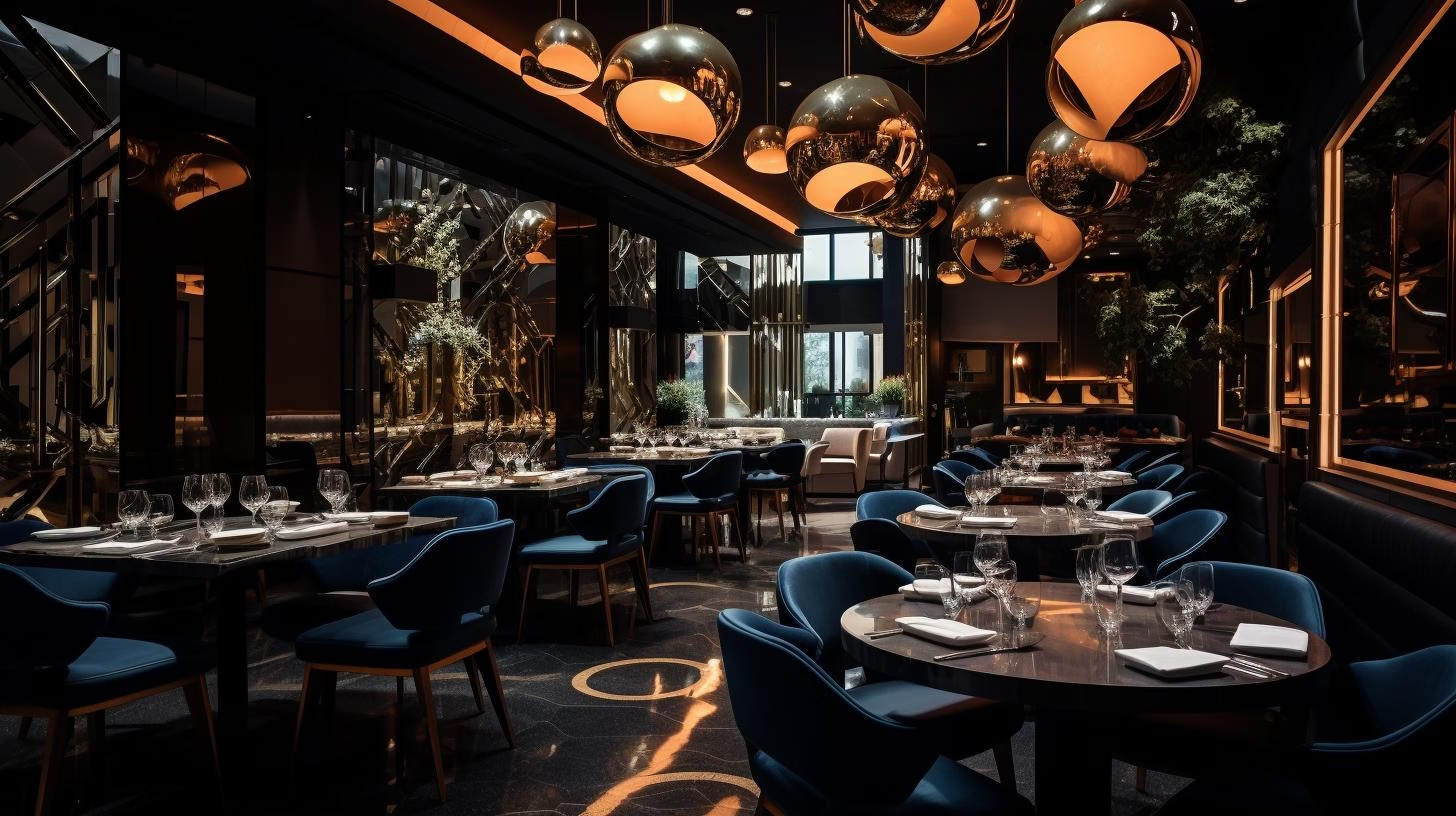
America’s gourmet dining scene is evolving beyond traditional fine dining. Today’s diners increasingly seek immersive experiences, locally sourced ingredients, cultural authenticity, and culinary creativity alongside exceptional food. Restaurants are responding with regional menus, interactive dining concepts, sustainable sourcing, and innovative cooking techniques. This shift is transforming how Americans define luxury dining, making gourmet experiences more personal, educational, and memorable than ever before.
A New Era for American Fine Dining
For decades, gourmet dining in America was largely defined by white tablecloths, formal service, imported luxury ingredients, and elaborate tasting menus. While many of those elements still exist, the definition of fine dining has expanded significantly.
Modern consumers increasingly value experiences over possessions. According to multiple hospitality industry studies, younger generations are more likely to spend discretionary income on memorable experiences than material goods. This trend has influenced restaurants across the country, encouraging chefs and restaurateurs to rethink what constitutes a premium dining experience.
Today’s gourmet restaurants are often judged not only by food quality but also by storytelling, atmosphere, sustainability practices, ingredient sourcing, and guest engagement. Diners want to understand where ingredients come from, how dishes are prepared, and what cultural or regional influences shape the menu.
The result is a more dynamic and diverse gourmet landscape that reflects both innovation and local identity.
The Rise of Immersive Dining Experiences
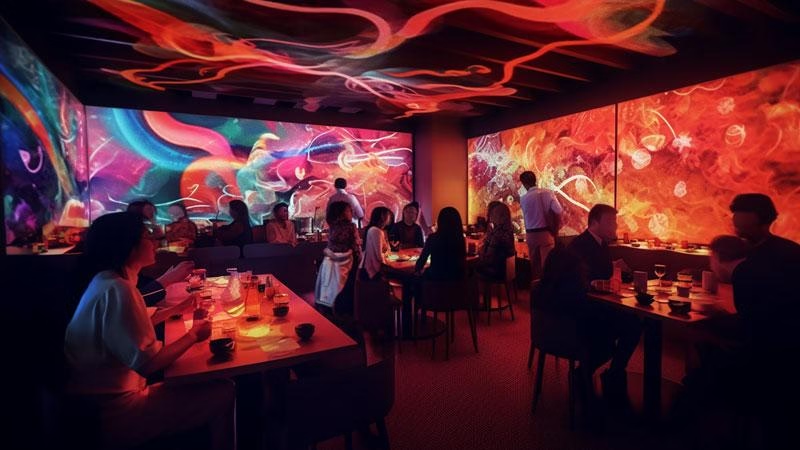
One of the most noticeable shifts in American dining is the rise of immersive experiences.
Rather than simply serving exceptional food, many restaurants now create environments that engage multiple senses. Lighting, music, architecture, visual presentation, and interactive elements are carefully designed to complement the culinary journey.
Immersive dining can take many forms:
- Chef-led tasting experiences
- Open kitchen concepts
- Multi-course storytelling menus
- Farm-to-table dinners
- Pop-up culinary events
- Themed dining environments
- Interactive beverage pairings
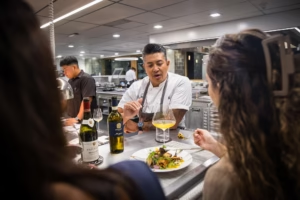
Guests increasingly appreciate opportunities to connect directly with chefs and culinary teams. Open kitchens allow diners to observe techniques, ask questions, and gain insight into the craftsmanship behind each dish.
For example, many high-end restaurants now introduce courses personally, explaining ingredient origins and preparation methods. This transforms dinner from a meal into an educational experience.
The popularity of chef’s tables illustrates this shift. These intimate settings offer front-row access to culinary preparation while creating a deeper connection between guests and the dining process.
Why Regional Ingredients Are Becoming the New Luxury
For many years, luxury dining often emphasized imported ingredients such as truffles, caviar, and specialty seafood sourced from overseas.
Today, many chefs are placing equal or greater value on exceptional regional ingredients.
Consumers increasingly associate quality with freshness, traceability, and sustainability rather than exclusivity alone. Locally sourced ingredients frequently arrive at restaurants faster, maintain superior freshness, and support regional agricultural economies.
Across America, chefs are building menus around local specialties:
Northeast
- Atlantic seafood
- Heritage apples
- Maple products
- Artisan dairy
Southeast
- Gulf shrimp
- Stone-ground grits
- Heirloom vegetables
- Regional barbecue traditions
Midwest
- Grass-fed beef
- Specialty grains
- Freshwater fish
- Seasonal produce
Southwest
- Hatch chiles
- Indigenous ingredients
- Desert-grown produce
- Regional spices
Pacific Northwest
- Wild mushrooms
- Salmon
- Shellfish
- Forest-foraged ingredients
California
- Farm-fresh produce
- Wine country ingredients
- Citrus
- Sustainable seafood
This regional emphasis creates distinct dining identities while reducing transportation costs and environmental impact.
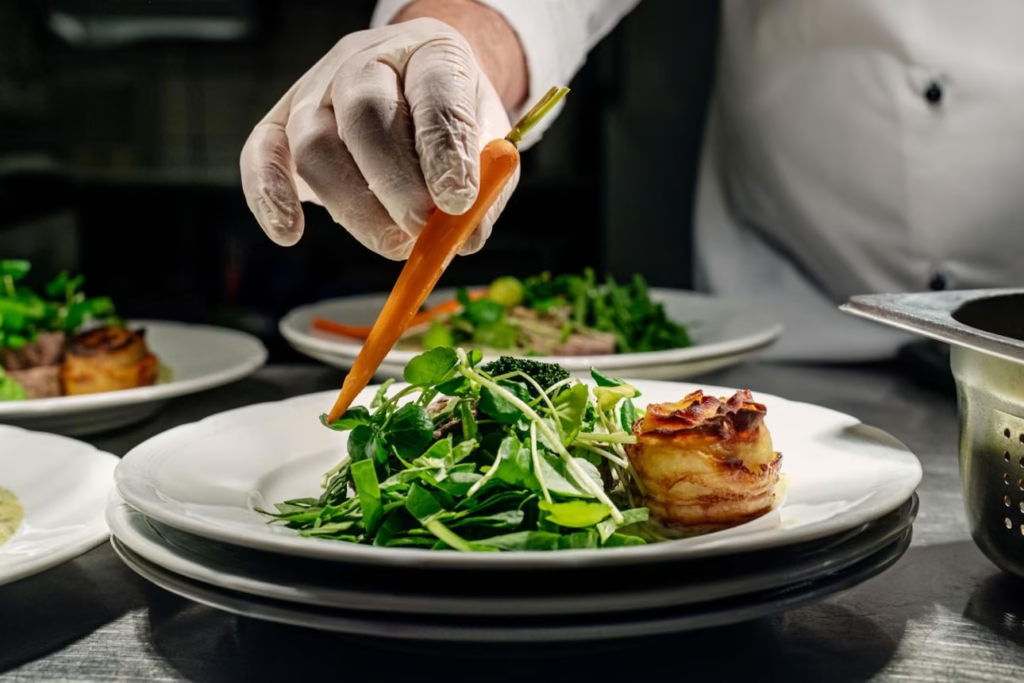
Farm-to-Table Has Matured Beyond a Trend
A decade ago, farm-to-table dining was often viewed as a niche movement. Today, it has become a core component of many gourmet operations.
The modern version of farm-to-table goes beyond simply purchasing local vegetables.
Leading restaurants develop long-term relationships with:
- Farmers
- Ranchers
- Fishermen
- Cheesemakers
- Winemakers
- Foragers
These partnerships help ensure consistency, quality, and transparency.
Many chefs now collaborate directly with producers to cultivate specific varieties of vegetables, herbs, fruits, and livestock breeds that align with their culinary vision.
For diners, this creates a stronger sense of authenticity. Knowing exactly where ingredients originated often enhances appreciation for the meal itself.
Culinary Innovation Is Expanding the Gourmet Toolkit
Innovation remains central to gourmet dining, but today’s culinary creativity often focuses on enhancing ingredients rather than overshadowing them.
Modern chefs combine traditional techniques with emerging technologies and scientific understanding.
Examples include:
- Precision temperature cooking
- Fermentation programs
- Dry-aging techniques
- Advanced pastry methods
- Sustainable preservation practices
- Plant-based culinary innovation
- Creative beverage pairings
Fermentation, in particular, has gained significant attention. Restaurants increasingly produce house-made vinegars, miso, kombucha, hot sauces, and fermented vegetables to create unique flavors while reducing waste.
Similarly, advancements in temperature-controlled cooking allow chefs to achieve remarkable consistency without compromising ingredient integrity.
The goal is no longer innovation for its own sake. Instead, successful chefs use technology and technique to improve flavor, texture, and guest experience.
How Sustainability Became a Gourmet Dining Priority
Environmental responsibility has become a major consideration for both restaurants and consumers.
Many diners actively seek establishments that prioritize sustainable practices.
Common initiatives include:
- Seasonal menu development
- Reduced food waste
- Composting programs
- Sustainable seafood sourcing
- Regenerative agriculture partnerships
- Energy-efficient operations
- Responsible packaging
Organizations such as the James Beard Foundation have helped raise awareness about sustainability throughout the hospitality industry.
Restaurants increasingly recognize that environmental responsibility can align with culinary excellence. Seasonal menus often produce fresher dishes, while waste reduction initiatives can inspire creative menu development.
In many cases, sustainability enhances both business performance and guest satisfaction.
The Influence of Global Culinary Traditions
American gourmet dining has also become more globally influenced.
Rather than borrowing isolated ingredients from international cuisines, many chefs are pursuing deeper cultural understanding and collaboration.
This evolution has led to greater appreciation for authentic culinary traditions from around the world.
Examples include:
- Regional Japanese techniques
- Indigenous American foodways
- Traditional Mexican cooking methods
- Korean fermentation practices
- Mediterranean ingredient philosophies
- Southeast Asian flavor development
Many chefs spend years studying these traditions before incorporating them into their menus.
As a result, diners gain access to more nuanced and respectful culinary experiences that celebrate cultural heritage rather than simply adapting trends.
Why Personalization Is Shaping the Future of Fine Dining
Customization has become increasingly important across the hospitality industry.
Modern diners often expect restaurants to accommodate:
- Dietary restrictions
- Food allergies
- Lifestyle preferences
- Religious considerations
- Wellness goals
High-end restaurants now routinely design personalized tasting experiences based on guest preferences.
Some establishments gather information before reservations, allowing culinary teams to tailor menus in advance.
This level of personalization creates a stronger emotional connection and helps guests feel genuinely valued.
Technology has made such customization more feasible without sacrificing operational efficiency.
The Growing Role of Beverage Programs
Today’s gourmet experience extends far beyond food.
Sophisticated beverage programs have become a defining characteristic of premium dining.
Restaurants increasingly feature:
- Curated wine pairings
- Craft cocktail programs
- Specialty tea services
- Non-alcoholic pairings
- Regional beverage selections
- Culinary-inspired drinks
The rise of non-alcoholic beverage programs is particularly noteworthy.
Many restaurants now create elaborate pairings using fermented beverages, botanical infusions, teas, and juices that complement tasting menus as thoughtfully as wine.
This trend reflects broader consumer interest in wellness and inclusivity.
What Diners Are Really Looking for Today
Despite all the innovation occurring throughout the industry, diners consistently value a few core principles.
Research across hospitality and consumer behavior sectors suggests that guests increasingly prioritize:
- Authenticity
- Quality ingredients
- Memorable experiences
- Transparency
- Sustainability
- Cultural respect
- Personal connection
- Value relative to experience
Notably, value does not necessarily mean lower prices.
Many consumers are willing to spend more when they perceive meaningful craftsmanship, exceptional service, and genuine storytelling behind the meal.
The emphasis has shifted from luxury as exclusivity to luxury as meaningful experience.
Frequently Asked Questions
1. What is immersive dining?
Immersive dining combines food with storytelling, atmosphere, visual design, and interactive elements to create a more engaging experience than a traditional restaurant meal.
2. Why are regional ingredients becoming more important?
Regional ingredients often provide greater freshness, support local economies, improve sustainability, and create a stronger sense of place within a menu.
3. Is farm-to-table still popular?
Yes. Farm-to-table has evolved from a trend into a foundational approach used by many upscale and independent restaurants across America.
4. What role does sustainability play in gourmet dining?
Sustainability influences sourcing, menu planning, waste reduction, seafood selection, energy use, and supplier relationships.
5. Are gourmet restaurants becoming more accessible?
Many establishments now offer flexible formats, smaller tasting experiences, and more diverse price points than traditional fine dining restaurants.
6. How is technology influencing culinary innovation?
Technology helps improve consistency, precision cooking, preservation methods, reservation management, and personalized guest experiences.
7. What is driving interest in chef’s tables?
Guests increasingly seek direct interaction with culinary teams and want deeper insight into food preparation and ingredient sourcing.
8. Why are non-alcoholic pairings growing in popularity?
Consumers are seeking wellness-focused alternatives that still provide sophisticated flavor experiences alongside gourmet meals.
9. How do restaurants personalize dining experiences?
Many restaurants collect guest preferences before visits and adapt menus to accommodate dietary needs, allergies, and culinary interests.
10. What defines luxury dining today?
Modern luxury dining emphasizes authenticity, exceptional ingredients, thoughtful service, sustainability, and memorable experiences rather than formality alone.





Leave a Reply