
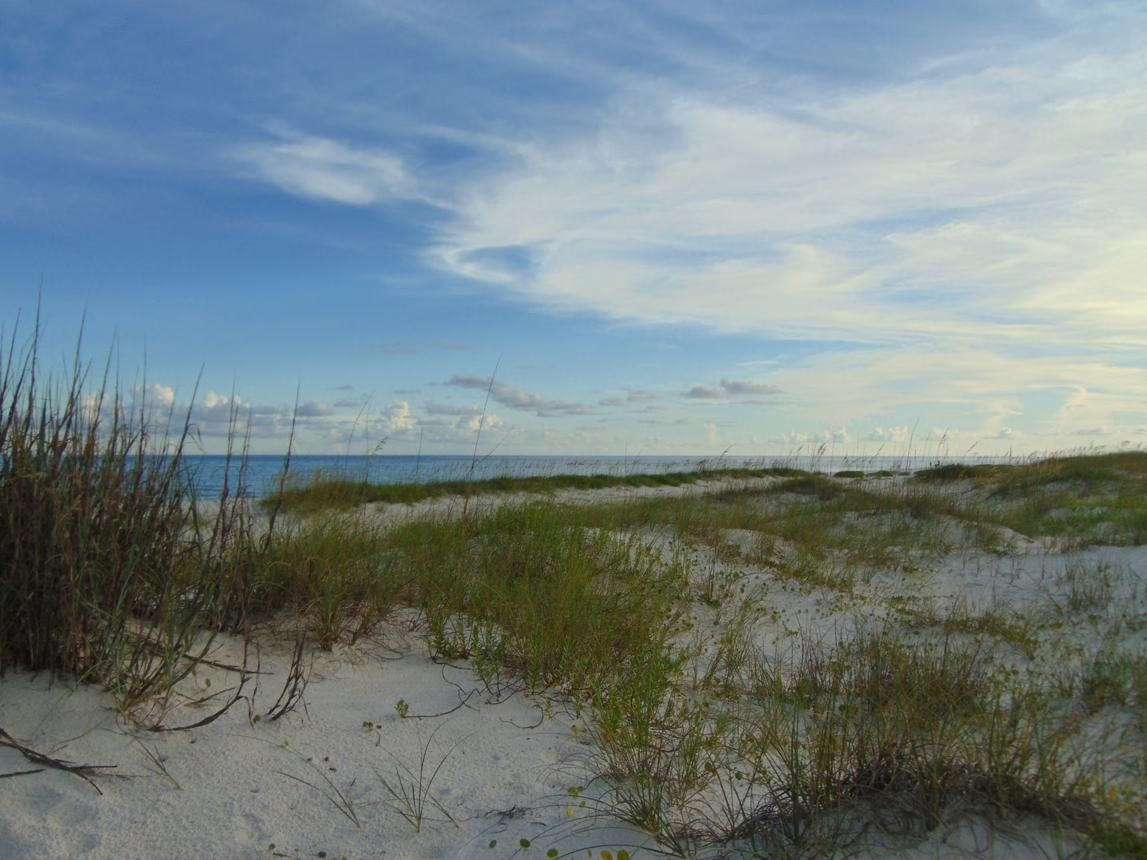
America’s islands offer more than scenic landscapes and vacation opportunities. From remote wildlife refuges in Alaska to historic coastal communities along the Atlantic, islands are becoming living laboratories for conservation, climate adaptation, sustainable tourism, and community resilience. Travelers, environmental experts, and local residents are discovering valuable lessons about protecting ecosystems, preserving culture, and balancing economic growth with environmental stewardship in some of the nation’s most remarkable island destinations.
Why America’s Islands Matter More Than Ever
For many travelers, islands represent escape. They are places where beaches stretch for miles, wildlife thrives, and communities maintain traditions shaped by generations of coastal living. Yet beyond their appeal as destinations, America’s islands increasingly serve as important examples of how communities can respond to environmental, economic, and social challenges.
From the barrier islands of the Southeast to the volcanic landscapes of Hawaii and the remote wilderness of Alaska, islands often experience environmental changes earlier and more intensely than mainland regions. Rising sea levels, stronger storms, shifting wildlife populations, and changing tourism patterns make islands valuable indicators of broader trends affecting coastal America.
At the same time, many island communities have developed innovative approaches to conservation, sustainable tourism, and economic diversification that mainland regions are now studying closely.
The Growing Role of Islands in Conservation
Across the United States, islands contain some of the country’s most important ecological habitats. Because they are geographically isolated, many islands support unique ecosystems and species found nowhere else.
Protecting Biodiversity Through Isolation
Island ecosystems often evolve separately from mainland environments. This isolation creates extraordinary biodiversity but also makes these habitats vulnerable to disturbance.
Examples include:
- Hawaiian native bird species
- Sea turtle nesting beaches along Atlantic barrier islands
- Coastal marsh ecosystems in the Gulf of Mexico
- Seabird colonies in Alaska
- Unique plant species on California’s Channel Islands
Conservationists have increasingly focused on islands because protecting relatively small areas can have outsized environmental benefits.
The recovery of wildlife on the Channel Islands National Park demonstrates this principle. Decades of habitat restoration, invasive species management, and conservation planning have helped restore native wildlife populations and improve ecosystem health.
Many researchers now view island conservation projects as practical models for broader environmental restoration efforts across North America.
What Travelers Notice
Visitors increasingly report that meaningful wildlife experiences influence travel decisions as much as beaches or luxury accommodations.
Modern travelers often seek:
- Guided wildlife viewing
- Birdwatching opportunities
- Marine conservation tours
- Educational visitor centers
- Protected natural landscapes
This shift reflects a growing public interest in responsible tourism and environmental stewardship.
How Coastal Communities Are Adapting to Environmental Change
Perhaps the most important lessons emerging from America’s islands involve adaptation.
Many island communities face challenges that mainland regions may eventually encounter, including coastal erosion, flooding, infrastructure vulnerability, and changing weather patterns.
Living With Water Rather Than Fighting It
Historically, coastal development often focused on controlling nature through seawalls, dredging projects, and engineered shorelines.
Today, many communities are adopting a different philosophy.
Instead of relying exclusively on hard infrastructure, local leaders increasingly invest in:
- Living shorelines
- Marsh restoration
- Dune preservation
- Flood-resilient construction
- Natural storm buffers
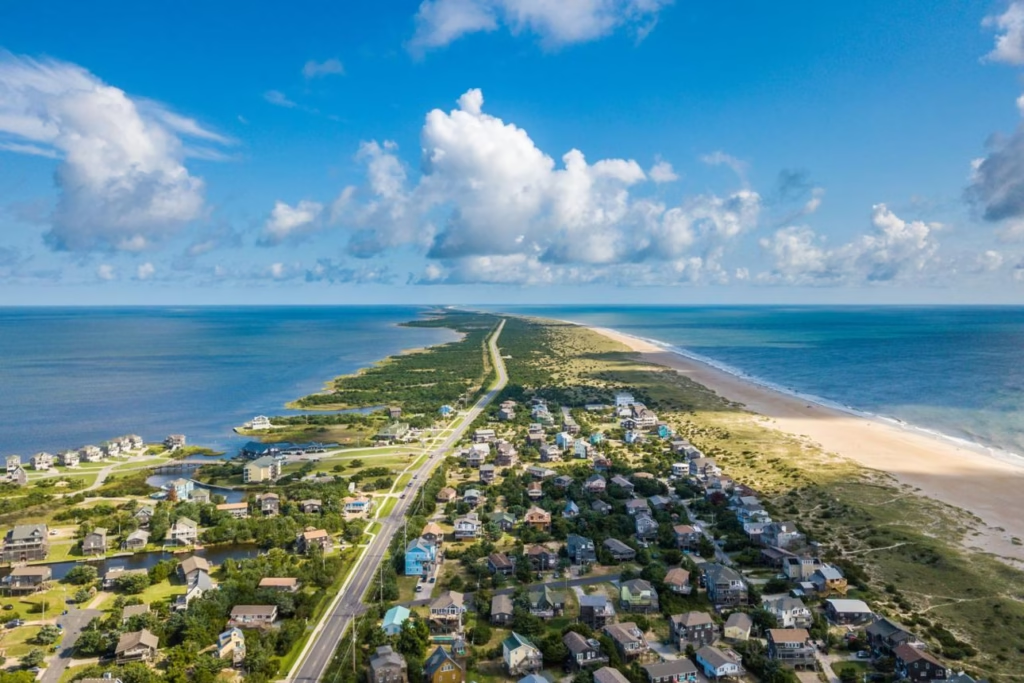
Communities on islands along the Atlantic Coast have demonstrated that natural systems frequently provide long-term protection while supporting wildlife habitats.
For residents, this approach often proves more sustainable and cost-effective than continually rebuilding damaged infrastructure after storms.
Lessons for Mainland Cities
Urban planners increasingly study island adaptation strategies because they offer real-world examples of resilience.
Key lessons include:
- Building flexibility into long-term planning
- Protecting natural coastal buffers
- Diversifying local economies
- Investing in resilient infrastructure
- Encouraging community participation in environmental decisions
These lessons extend well beyond island communities and influence planning efforts throughout coastal America.
Sustainable Tourism Is Becoming a Competitive Advantage
Tourism remains the economic lifeblood of many islands. However, destinations are learning that long-term success depends on balancing visitor growth with environmental protection.
The Shift Away From Volume-Based Tourism
For decades, many destinations measured success primarily through visitor numbers.
Today, island communities increasingly focus on:
- Visitor quality rather than quantity
- Environmental preservation
- Local business support
- Cultural authenticity
- Reduced environmental impacts
This shift is especially visible in destinations such as Hawaii, where local leaders have emphasized regenerative tourism practices that encourage visitors to contribute positively to communities and ecosystems.
Rather than attracting the maximum number of visitors possible, many destinations now seek travelers who value education, conservation, and cultural respect.
What Responsible Travelers Are Learning
Responsible tourism increasingly involves understanding how travel choices affect destinations.
Experienced travelers often:
- Stay longer and travel less frequently
- Support locally owned businesses
- Participate in conservation programs
- Respect wildlife viewing guidelines
- Minimize waste and resource consumption
These practices help preserve the qualities that make island destinations attractive in the first place.
Cultural Preservation Is Just as Important as Environmental Protection
When discussing island conservation, attention often focuses on wildlife and ecosystems. Yet cultural preservation has become equally important.
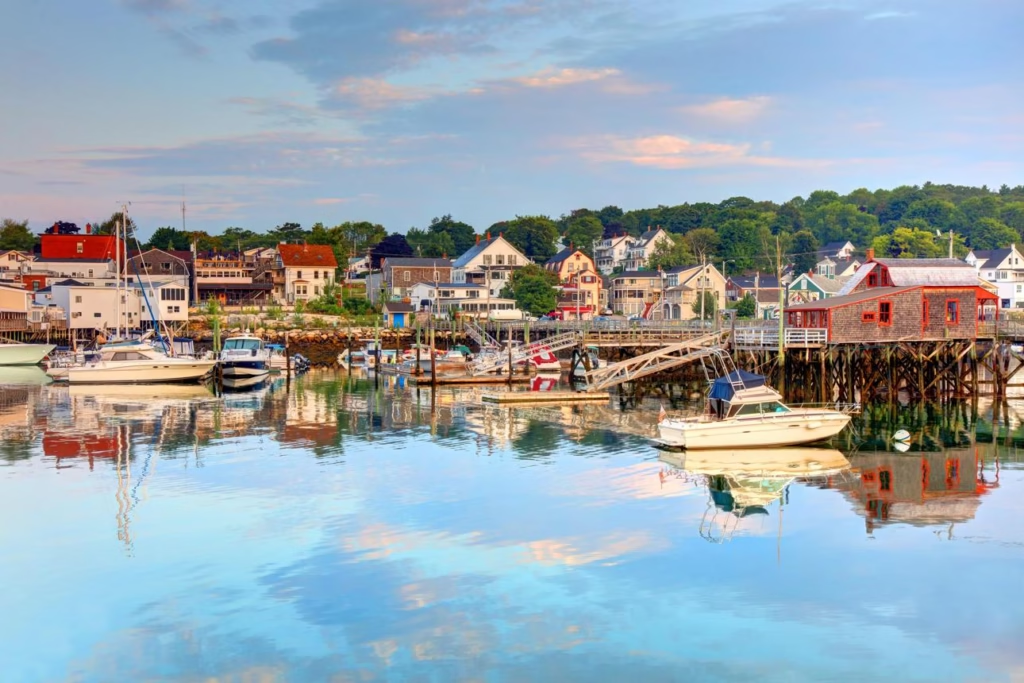
Island communities frequently possess distinct traditions shaped by geography, history, and generations of adaptation to coastal environments.
Preserving Local Identity
Many islands face pressures from:
- Rapid tourism growth
- Rising housing costs
- Population shifts
- Economic change
- Development pressure
As a result, local leaders increasingly prioritize preserving cultural heritage alongside natural resources.
Efforts may include:
- Historic preservation projects
- Traditional fishing programs
- Indigenous cultural education
- Community museums
- Heritage festivals
The goal is not simply to protect buildings or artifacts but to maintain living traditions that contribute to community identity.
Why Visitors Value Authenticity
Research consistently shows that travelers seek authentic experiences rather than generic attractions.
Visitors often remember:
- Local food traditions
- Community storytelling
- Historic architecture
- Regional customs
- Connections with residents
Destinations that preserve these characteristics frequently develop stronger tourism brands and deeper visitor engagement.
Islands Are Teaching Valuable Lessons About Community Resilience
One reason islands attract academic researchers is that they often reveal how communities respond to adversity.
Isolation requires adaptability.
Whether facing hurricanes, economic shifts, supply chain disruptions, or environmental challenges, island communities frequently develop resilience strategies that can inform broader public policy.
Strong Social Networks Matter
In many island communities, residents rely heavily on neighbors, local organizations, and volunteer networks.
Researchers studying disaster recovery consistently find that communities with strong social connections recover more effectively after crises.
Island communities often demonstrate:
- High levels of civic engagement
- Volunteer participation
- Community problem-solving
- Local leadership involvement
- Shared stewardship of resources
These characteristics contribute to resilience in ways that infrastructure alone cannot achieve.
Economic Diversification Reduces Vulnerability
Communities dependent on a single industry often face greater economic risk.
Many islands now pursue diversified economies that combine:
- Tourism
- Fishing
- Conservation employment
- Renewable energy
- Research activities
- Small business development
This diversification helps communities adapt to changing economic conditions while preserving local character.
Renewable Energy Innovation Is Expanding on Islands
Energy independence has become a major focus for many island communities.
Because transporting fuel can be expensive and vulnerable to disruptions, islands often adopt renewable energy technologies earlier than mainland regions.
Testing New Solutions
Several island communities have become testing grounds for:
- Solar energy systems
- Wind power installations
- Battery storage technologies
- Microgrids
- Energy efficiency programs
These projects provide valuable insights into how communities can reduce dependence on traditional energy sources.
In many cases, successful island energy initiatives later influence policies and investments elsewhere in the United States.
What Other Communities Can Learn
Island experiences highlight several important principles:
- Local energy production improves resilience.
- Diversified energy sources reduce risk.
- Community engagement improves adoption.
- Long-term planning supports sustainability.
- Innovation often begins at smaller scales.
These lessons increasingly influence broader energy discussions nationwide.
The Future of America’s Islands
Looking ahead, America’s islands will likely play an even greater role in shaping conversations about conservation, tourism, climate adaptation, and community development.
Several trends are emerging:
- Increased investment in ecosystem restoration
- Expansion of sustainable tourism initiatives
- Greater emphasis on cultural preservation
- Enhanced coastal resilience planning
- Growing adoption of renewable energy
- More collaboration between scientists and local communities
Rather than serving solely as vacation destinations, islands are becoming centers of innovation and learning.
Their experiences offer practical guidance for communities facing environmental and economic uncertainty across the country.
Questions Travelers Frequently Ask About America’s Islands
1. Why are islands important for conservation?
Islands often contain unique ecosystems and species that evolved in isolation, making them critical locations for biodiversity protection and environmental research.
2. What is sustainable island tourism?
Sustainable tourism minimizes environmental impacts while supporting local economies, preserving cultural heritage, and encouraging responsible visitor behavior.
3. Which U.S. islands are known for conservation success?
Examples include the Channel Islands, many Hawaiian protected areas, and several wildlife refuges throughout Alaska and the Atlantic Coast.
4. How do islands help researchers study climate adaptation?
Because islands frequently experience coastal changes earlier than mainland regions, they provide real-world examples of adaptation strategies and resilience planning.
5. What are living shorelines?
Living shorelines use natural features such as marshes, vegetation, and oyster reefs to reduce erosion and improve coastal protection.
6. How can travelers support island communities?
Visitors can support local businesses, follow conservation guidelines, reduce waste, and participate in educational or stewardship activities.
7. Why is cultural preservation important on islands?
Local traditions, languages, and historical practices contribute to community identity and often represent generations of environmental knowledge.
8. Are islands leading renewable energy innovation?
Many island communities are early adopters of renewable energy technologies because reducing fuel dependence improves resilience and lowers long-term costs.
9. What makes island ecosystems especially vulnerable?
Limited land area, geographic isolation, invasive species, and environmental change can create significant challenges for island ecosystems.
10. What can mainland communities learn from islands?
Mainland regions can learn valuable lessons about resilience, sustainable development, environmental stewardship, and community collaboration.





Leave a Reply