
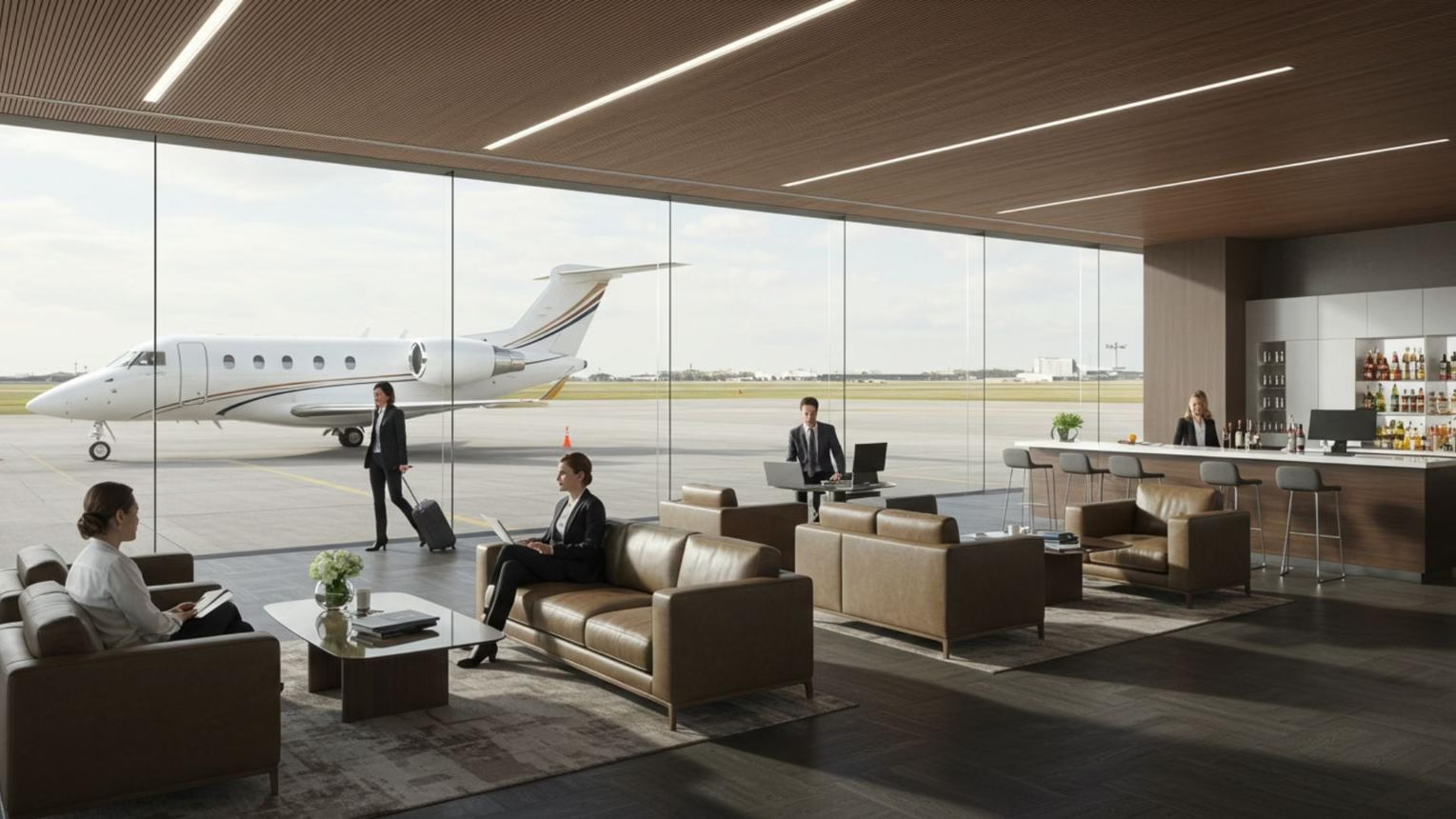
Luxury travel in 2026 is increasingly defined by personalization, privacy, flexibility, and meaningful experiences rather than traditional displays of wealth. Affluent Americans are prioritizing exclusive access, wellness-focused journeys, multigenerational travel, sustainable accommodations, and longer immersive stays. As technology improves convenience and travelers seek greater value from their time, luxury travel is evolving toward deeper, more customized experiences that combine comfort, authenticity, and purpose.
The New Definition of Luxury Travel in 2026
Luxury travel has undergone a noticeable transformation over the past decade. While premium hotels, first-class flights, and exclusive resorts remain important, affluent American travelers are increasingly evaluating trips through a different lens.
In 2026, luxury is less about visible extravagance and more about access, personalization, time efficiency, and meaningful experiences. Travelers with significant discretionary income are asking different questions than they did a few years ago:
- How private is the experience?
- How personalized is the itinerary?
- Will this trip improve my well-being?
- Can my entire family enjoy it together?
- Does the destination offer something unique that cannot easily be replicated?
Many luxury travelers now view time as their most valuable asset. As a result, travel decisions are increasingly focused on reducing friction while maximizing quality experiences.
This shift is influencing everything from accommodation choices and destination selection to transportation preferences and trip duration.
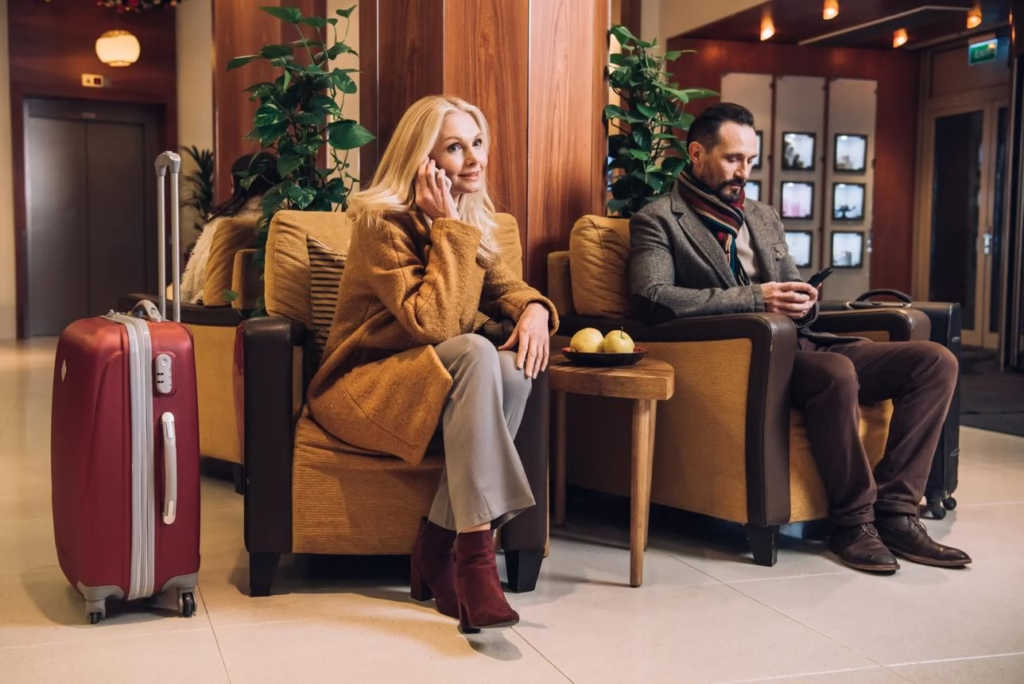
Why Affluent Americans Are Traveling Differently
Several forces are shaping luxury travel behavior in 2026.
First, remote and hybrid work models have made longer stays more practical. Professionals and business owners are blending work and leisure more effectively than before.
Second, experiences have become a higher priority than possessions. Research across consumer behavior consistently shows that high-income households increasingly allocate discretionary spending toward memorable experiences rather than material goods.
Third, global travelers have become more selective. Rather than checking destinations off a list, many travelers now prefer fewer trips with greater depth and personalization.
The result is a luxury market focused on quality over quantity.
Personalized Travel Planning Is Becoming the Standard
One of the strongest trends in luxury travel is hyper-personalization.
Affluent travelers increasingly expect travel providers to understand individual preferences before arrival. This extends far beyond room upgrades or welcome gifts.
Personalized luxury experiences may include:
- Custom-designed itineraries
- Private cultural tours
- Dedicated wellness programs
- Personalized dining experiences
- Tailored adventure activities
- Flexible scheduling based on traveler preferences
For example, a family visiting Italy may have a private culinary itinerary built around regional vineyards, local chefs, and exclusive access to historic estates rather than participating in standard group excursions.
Similarly, travelers visiting Alaska may arrange privately guided wildlife experiences designed around photography interests instead of conventional sightseeing tours.
Personalization is becoming a defining characteristic of modern luxury travel.
Wellness Travel Continues to Expand
Health and wellness remain major priorities among affluent American travelers.
In 2026, wellness travel extends far beyond traditional spa vacations. Many travelers now seek comprehensive experiences that support physical health, mental well-being, recovery, and longevity.
Popular wellness-focused luxury experiences include:
- Sleep optimization retreats
- Fitness-centered vacations
- Longevity and preventive health programs
- Digital detox experiences
- Meditation and mindfulness retreats
- Nutrition-focused travel packages
Destinations known for wellness offerings are attracting travelers who view vacations as opportunities to improve overall quality of life rather than simply escape daily routines.
Luxury resorts are increasingly incorporating health assessments, personalized fitness plans, recovery therapies, and expert consultations into their offerings.
For many affluent travelers, wellness is no longer a niche category—it is becoming a core expectation.

Privacy Is Emerging as a Premium Feature
Privacy has become one of the most valuable luxury travel amenities.
High-net-worth travelers increasingly seek environments that minimize crowds and maximize exclusivity.
This demand is fueling growth in:
- Private villas
- Exclusive-use resorts
- Boutique luxury lodges
- Yacht charters
- Private aviation
- Remote luxury destinations
A growing number of travelers are willing to pay significantly more for private access and reduced congestion.
Instead of staying at large luxury hotels, travelers often choose standalone properties where they can enjoy personalized service without large numbers of guests.
The appeal is not necessarily status-driven. Many travelers simply value peace, security, and flexibility.
The Rise of Multigenerational Luxury Travel
Family travel is becoming increasingly important among affluent American households.
Many families are investing in multigenerational trips that bring together grandparents, parents, and children.
These journeys often involve:
- Private villas with multiple suites
- Luxury cruises
- National park adventures
- European cultural tours
- Private guided safaris
- Extended holiday gatherings
Rather than purchasing luxury gifts, families are choosing shared experiences that create lasting memories.
For example, a three-generation family may spend two weeks exploring the Mediterranean aboard a chartered yacht or enjoy a customized Rocky Mountain adventure with private guides and exclusive accommodations.
The emphasis is on meaningful connection rather than traditional tourism.
Longer Stays Are Replacing Fast-Paced Itineraries
Many affluent travelers are slowing down.
Instead of visiting five destinations in ten days, travelers increasingly spend extended periods in one or two locations.
This trend offers several benefits:
- Reduced travel fatigue
- Deeper cultural immersion
- Greater flexibility
- Improved work-life balance
- Enhanced relaxation
Luxury travelers are increasingly booking month-long stays in destinations such as Hawaii, Tuscany, Colorado, or coastal California.
Some combine remote work with leisure activities, creating a lifestyle-oriented travel experience rather than a conventional vacation.
The shift reflects changing attitudes toward both travel and personal well-being.
Sustainability Is Becoming a Consideration—With Nuance
Affluent travelers are paying more attention to sustainability, though their expectations remain practical.
Rather than seeking extreme eco-focused experiences, many luxury travelers prefer accommodations and operators that balance environmental responsibility with comfort.
Popular sustainability features include:
- Local sourcing programs
- Renewable energy initiatives
- Conservation partnerships
- Reduced waste operations
- Community engagement efforts
- Wildlife protection programs
Luxury travelers increasingly appreciate transparency regarding environmental practices.
However, comfort and service remain priorities. Sustainable luxury succeeds when environmental responsibility enhances rather than diminishes the guest experience.

Exclusive Access Is Driving Destination Choices
Access is becoming one of the strongest indicators of luxury.
Affluent travelers increasingly seek opportunities unavailable to the general public.
Examples include:
- Private museum tours
- After-hours cultural experiences
- Exclusive culinary events
- Private wildlife encounters
- Invitation-only festivals
- Behind-the-scenes access to historic landmarks
These experiences create a sense of rarity that many travelers value more than physical luxury alone.
A private tour of a renowned art collection or access to a restricted archaeological site may hold greater appeal than a larger hotel suite.
This trend reflects the growing importance of uniqueness in travel decision-making.
Technology Is Enhancing Luxury Rather Than Replacing Human Service
Technology continues to reshape the luxury travel experience, but affluent travelers still value human expertise.
The most successful luxury providers use technology to remove friction while preserving personalized service.
Examples include:
- AI-assisted itinerary planning
- Seamless digital check-in
- Real-time concierge communication
- Personalized recommendation systems
- Smart room controls
- Integrated transportation management
Travelers appreciate convenience but generally do not want technology to replace meaningful human interaction.
A knowledgeable concierge, expert guide, or experienced travel advisor remains highly valued.
Technology works best when it enhances service rather than becoming the primary attraction.
What Destinations Are Attracting Luxury Travelers in 2026?
Several destination categories are seeing strong interest among affluent Americans.
Nature-Focused Luxury Destinations
Travelers are increasingly drawn to destinations offering access to natural beauty without sacrificing comfort.
Popular options include:
- Alaska
- Montana
- Wyoming
- British Columbia
- New Zealand
- Iceland
Cultural Immersion Destinations
Travelers seeking deeper engagement often choose:
- Italy
- Japan
- Spain
- Portugal
- Greece
- South Korea
Wellness-Oriented Destinations
Leading wellness destinations include:
- Arizona
- California
- Costa Rica
- Switzerland
- Thailand
Emerging Luxury Alternatives
Many travelers are exploring less crowded alternatives to traditional luxury hotspots.
Examples include:
- Slovenia instead of heavily visited European capitals
- Smaller Greek islands instead of Santorini
- Secondary Japanese destinations beyond Tokyo and Kyoto
- Boutique Caribbean islands with limited development
The focus is often on authenticity and exclusivity.
How Travel Advisors Are Regaining Importance
Interestingly, affluent travelers are increasingly relying on professional travel advisors.
While booking technology has improved dramatically, complex luxury itineraries often benefit from expert guidance.
Travel advisors provide:
- Destination expertise
- Insider access
- Crisis support
- Supplier relationships
- Customized planning
- Time savings
For high-value trips, many travelers view expert planning as an investment rather than an expense.
The ability to secure unique experiences and solve problems efficiently remains highly valuable.
Frequently Asked Questions
1. What defines luxury travel in 2026?
Luxury travel is increasingly defined by personalization, privacy, wellness, exclusive access, and meaningful experiences rather than purely expensive accommodations.
2. Are luxury travelers taking fewer trips?
Many affluent travelers are choosing fewer but longer and more immersive trips that provide greater value and deeper experiences.
3. Why is wellness travel growing?
Travelers increasingly view vacations as opportunities to improve physical health, mental well-being, recovery, and overall quality of life.
4. Is sustainability important to luxury travelers?
Yes. Many travelers prefer environmentally responsible operators, provided comfort, service, and quality remain high.
5. What role does technology play in luxury travel?
Technology improves convenience and personalization while allowing human service professionals to focus on delivering exceptional experiences.
6. Are private villas becoming more popular than hotels?
In many cases, yes. Privacy, flexibility, and personalized service are driving increased demand for luxury villa rentals.
7. Why is multigenerational travel growing?
Families increasingly prioritize shared experiences and memory-making opportunities across multiple generations.
8. What destinations are gaining popularity among affluent Americans?
Nature-focused, wellness-oriented, and culturally immersive destinations are attracting strong interest in 2026.
9. Do luxury travelers still use travel advisors?
Yes. Travel advisors remain valuable for customized planning, insider access, and managing complex itineraries.
10. What is the biggest luxury travel trend of 2026?
The largest trend is the shift toward highly personalized experiences that combine comfort, exclusivity, wellness, and authenticity.




Leave a Reply