
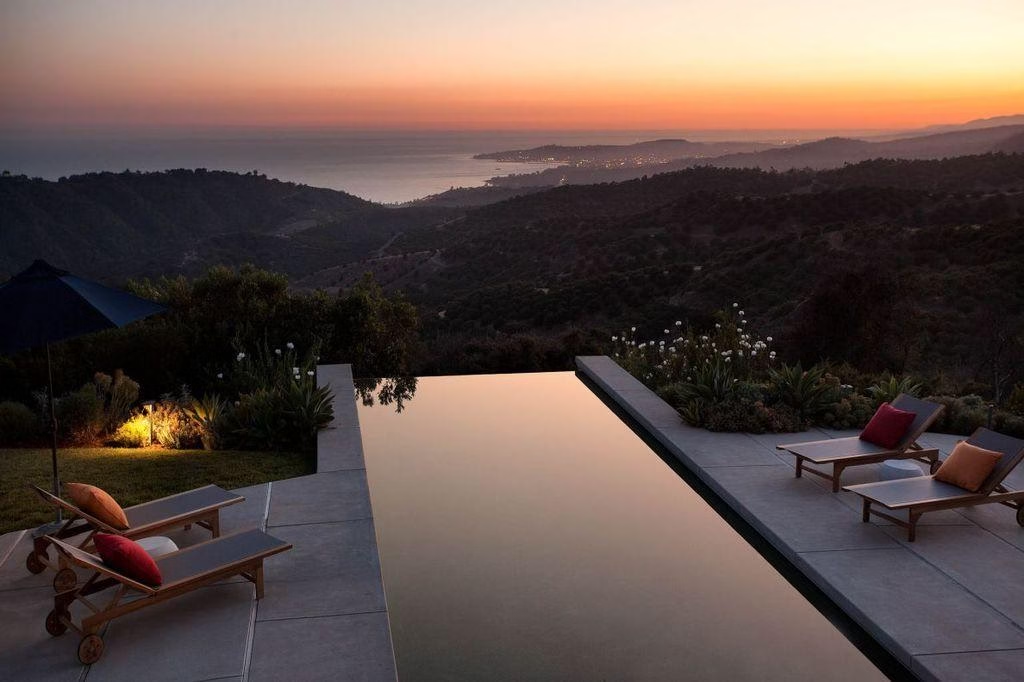
Luxury travel is evolving far beyond premium hotels and first-class flights. Today’s affluent travelers increasingly prioritize privacy, personalized experiences, wellness, flexibility, and meaningful connections to destinations. From private villas and customized itineraries to wellness-focused retreats and exclusive local experiences, modern luxury is defined less by visible extravagance and more by comfort, convenience, authenticity, and individual preferences.
The Evolution of Luxury Travel
For decades, luxury travel was largely associated with recognizable markers of wealth: five-star hotels, premium airline cabins, luxury cruises, and high-end dining. While these elements remain important, the definition of luxury has shifted significantly.
Today’s travelers, particularly affluent Americans, are increasingly focused on experiences that feel exclusive, customized, and effortless. Rather than seeking the most expensive option available, many travelers want journeys designed around their specific interests, schedules, and personal preferences.
Industry reports from organizations such as the World Travel & Tourism Council and leading luxury travel networks indicate growing demand for personalized travel planning, wellness-focused trips, multigenerational vacations, and private accommodations.
This shift reflects broader changes in consumer expectations. Across industries, personalization has become a key factor in customer satisfaction. Travel is no exception.
Modern luxury travelers often ask questions such as:
- How can I avoid crowds?
- Can my itinerary be customized?
- How much privacy will I have?
- Will this experience feel authentic?
- Can travel improve my overall well-being?
These priorities are reshaping every aspect of the luxury travel market.
Why Privacy Has Become One of the Most Valuable Travel Amenities
One of the most significant trends in luxury travel is the growing emphasis on privacy.
The demand accelerated after the pandemic, but it continues today because many travelers discovered they preferred more secluded experiences. Privacy now often ranks higher than traditional luxury amenities.
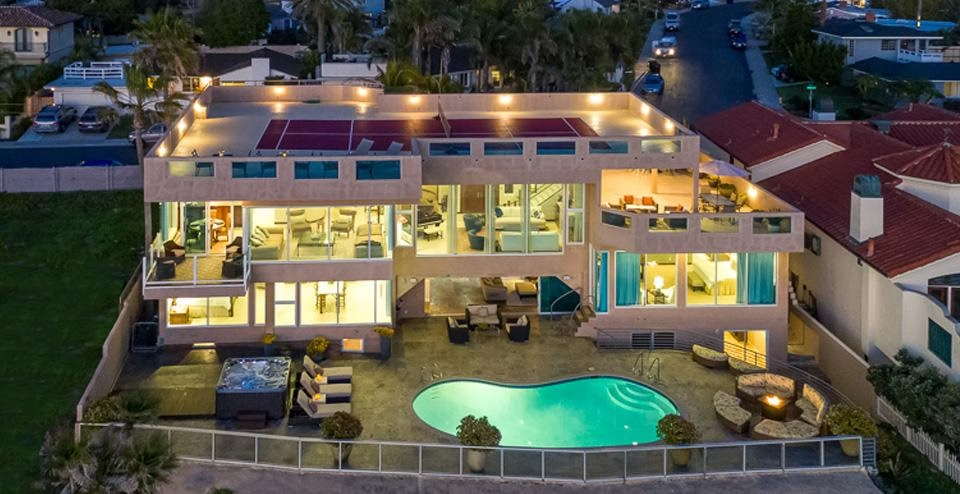
Private villas, standalone residences, boutique resorts, and exclusive-use properties have become increasingly popular because they provide:
- Greater personal space
- Flexible schedules
- Reduced interaction with large crowds
- More customized service
- Enhanced security
Families, celebrities, executives, and high-net-worth travelers are particularly attracted to accommodations that allow them to relax without the interruptions often associated with large resorts.
For example, a family vacationing in Hawaii may choose a private oceanfront villa with dedicated staff instead of a luxury hotel with hundreds of guest rooms. The experience offers many of the same amenities but with greater exclusivity and control.
Similarly, luxury safari lodges in Africa increasingly emphasize limited guest capacity, private game drives, and personalized schedules rather than large group excursions.
Privacy has effectively become a luxury product in itself.
Personalization Is Replacing Standardized Luxury
Perhaps the biggest transformation in luxury travel is the rise of personalization.
Historically, luxury providers focused on delivering consistently high standards. Today, travelers expect providers to understand their preferences and tailor experiences accordingly.
Personalization can take many forms:
- Customized dining experiences
- Tailored wellness programs
- Curated local excursions
- Personalized room preferences
- Flexible scheduling
- Private guides with specialized expertise
Consider two travelers visiting the same destination.
One may be interested in culinary experiences, private vineyard tours, and chef-led dinners. Another may prioritize outdoor adventures, wellness treatments, and cultural immersion.
Modern luxury providers increasingly design itineraries around these individual interests rather than offering identical packages to every guest.
Travel advisors also play a growing role in this process. Experienced advisors often leverage destination expertise and local relationships to create highly customized itineraries that would be difficult to arrange independently.
The result is a travel experience that feels unique rather than transactional.
The Rise of Wellness-Centered Luxury Travel
Another major development is the integration of wellness into luxury travel.
Many Americans are no longer viewing vacations solely as opportunities for sightseeing or relaxation. Instead, travel is becoming part of a broader lifestyle focused on physical health, mental well-being, and personal growth.
Luxury wellness travel can include:
- Spa and recovery programs
- Fitness-focused retreats
- Nutrition consultations
- Sleep optimization programs
- Mindfulness and meditation experiences
- Nature immersion activities
The wellness economy has expanded rapidly in recent years, and travel has become one of its fastest-growing segments.
A luxury resort in Arizona, for example, may offer personalized fitness assessments, guided hiking programs, healthy culinary experiences, and stress-management workshops.
Meanwhile, luxury properties in destinations such as Costa Rica, Iceland, and the Maldives often combine wellness programming with natural environments that encourage rest and recovery.
Travelers increasingly view these experiences as investments in their overall quality of life rather than simple vacations.
Authentic Experiences Are Becoming More Important Than Status Symbols
Luxury travelers are increasingly prioritizing authenticity.
In previous decades, visible status markers often played a larger role in travel decisions. Today, many travelers place greater value on meaningful experiences that create lasting memories.
Examples include:
- Private cooking classes with local chefs
- Cultural immersion experiences
- Guided historical tours
- Conservation-focused wildlife encounters
- Artisan workshops
- Exclusive access to local experts
The appeal lies in gaining deeper insight into a destination rather than simply observing it.
A traveler visiting Italy, for example, may value spending a day with a family-owned vineyard more than staying in the largest luxury hotel in Rome.
Similarly, travelers visiting Japan may prioritize a private cultural experience with local craftspeople over traditional sightseeing itineraries.
Authenticity often creates stronger emotional connections and more memorable travel experiences.
Technology Is Quietly Enhancing Luxury Travel
Technology is playing an increasingly important role in luxury travel, though often behind the scenes.
The most effective luxury technology is nearly invisible. Rather than drawing attention to itself, it helps create smoother, more convenient experiences.
Examples include:
- Mobile concierge services
- Personalized itinerary apps
- Digital room controls
- AI-assisted travel planning
- Contactless check-in processes
- Real-time transportation coordination
Luxury travelers generally value convenience more than novelty.
For instance, receiving personalized recommendations based on previous travel preferences may be far more valuable than an impressive but unnecessary technological feature.
Hotels and travel providers increasingly use data to anticipate guest needs while maintaining high standards of privacy and discretion.
The goal is not simply automation but frictionless service.
The Growth of Multigenerational Luxury Travel
Family travel is becoming an increasingly important segment of the luxury market.
Many affluent families are investing in experiences that bring together grandparents, parents, and children.
These trips often require a higher degree of planning and customization than traditional vacations.
Common priorities include:
- Spacious accommodations
- Flexible dining options
- Activities for multiple age groups
- Private transportation
- Customized itineraries
- Enhanced accessibility
Private villas, luxury rental homes, and residential-style resorts are particularly attractive because they provide space for families to spend time together while maintaining individual privacy.
These trips are often viewed as opportunities to create shared memories that extend beyond material gifts.

Sustainability Is Influencing Luxury Purchasing Decisions
Environmental awareness is increasingly affecting luxury travel choices.
Many travelers want to understand how their travel decisions impact local communities and natural environments.
Luxury providers are responding through initiatives such as:
- Conservation partnerships
- Renewable energy investments
- Local sourcing programs
- Waste reduction strategies
- Community engagement projects
- Wildlife protection efforts
Importantly, sustainability is becoming integrated into the luxury experience rather than presented as a separate feature.
Travelers increasingly expect both high service standards and responsible business practices.
Properties that successfully combine environmental stewardship with exceptional guest experiences are often gaining competitive advantages.
What Americans Should Look for When Planning a Luxury Trip
Luxury travel can represent a significant investment, making thoughtful planning especially important.
Before booking, travelers should consider several key factors:
Define What Luxury Means to You
Luxury is highly personal.
Some travelers prioritize privacy, while others value cultural immersion, wellness programs, culinary experiences, or family-focused amenities.
Understanding your priorities helps narrow choices effectively.
Evaluate Service Quality
Luxury is often most visible through service.
Look beyond property ratings and examine guest reviews that discuss responsiveness, personalization, and attention to detail.
Consider Destination Fit
The best luxury experience depends on matching the destination to your interests.
Examples include:
- Wellness travelers may prefer Arizona or Costa Rica.
- Adventure travelers may choose New Zealand or Alaska.
- Food enthusiasts may gravitate toward Italy or France.
- Wildlife enthusiasts may prefer African safari destinations.
Work With Specialists When Appropriate
Complex luxury itineraries often benefit from professional planning.
Experienced travel advisors can provide access, expertise, and logistical support that may improve the overall experience.
Focus on Experiences Rather Than Amenities Alone
The most memorable luxury trips often involve meaningful experiences rather than simply premium accommodations.
Prioritize unique opportunities that align with personal interests.
Frequently Asked Questions
1. What is modern luxury travel?
Modern luxury travel emphasizes personalization, privacy, wellness, authenticity, and exceptional service rather than focusing solely on expensive accommodations.
2. Why are private villas becoming more popular?
Private villas provide greater privacy, flexibility, personalized service, and space compared to traditional hotel environments.
3. Is luxury travel only for ultra-high-net-worth individuals?
No. While some experiences are extremely expensive, many travelers selectively invest in luxury accommodations, personalized experiences, or premium services.
4. How important is wellness in luxury travel today?
Wellness has become one of the fastest-growing segments of luxury travel, influencing destination selection and travel planning decisions.
5. What makes a luxury travel experience personalized?
Customized itineraries, tailored services, individual preferences, and unique experiences designed around traveler interests contribute to personalization.
6. Are travel advisors still relevant?
Yes. Travel advisors often provide destination expertise, insider knowledge, and access to specialized experiences.
7. How does sustainability fit into luxury travel?
Many luxury travelers increasingly seek environmentally responsible properties and experiences that support local communities.
8. What destinations are popular for luxury wellness travel?
Costa Rica, Arizona, Iceland, Switzerland, Bali, and the Maldives remain popular wellness-focused destinations.
9. Is authenticity becoming more important than status?
For many travelers, yes. Meaningful local experiences often create more lasting value than traditional luxury status symbols.
10. What trend is shaping luxury travel the most?
Personalization is arguably the most influential trend, affecting accommodations, itineraries, dining, wellness, and guest services.




Leave a Reply