
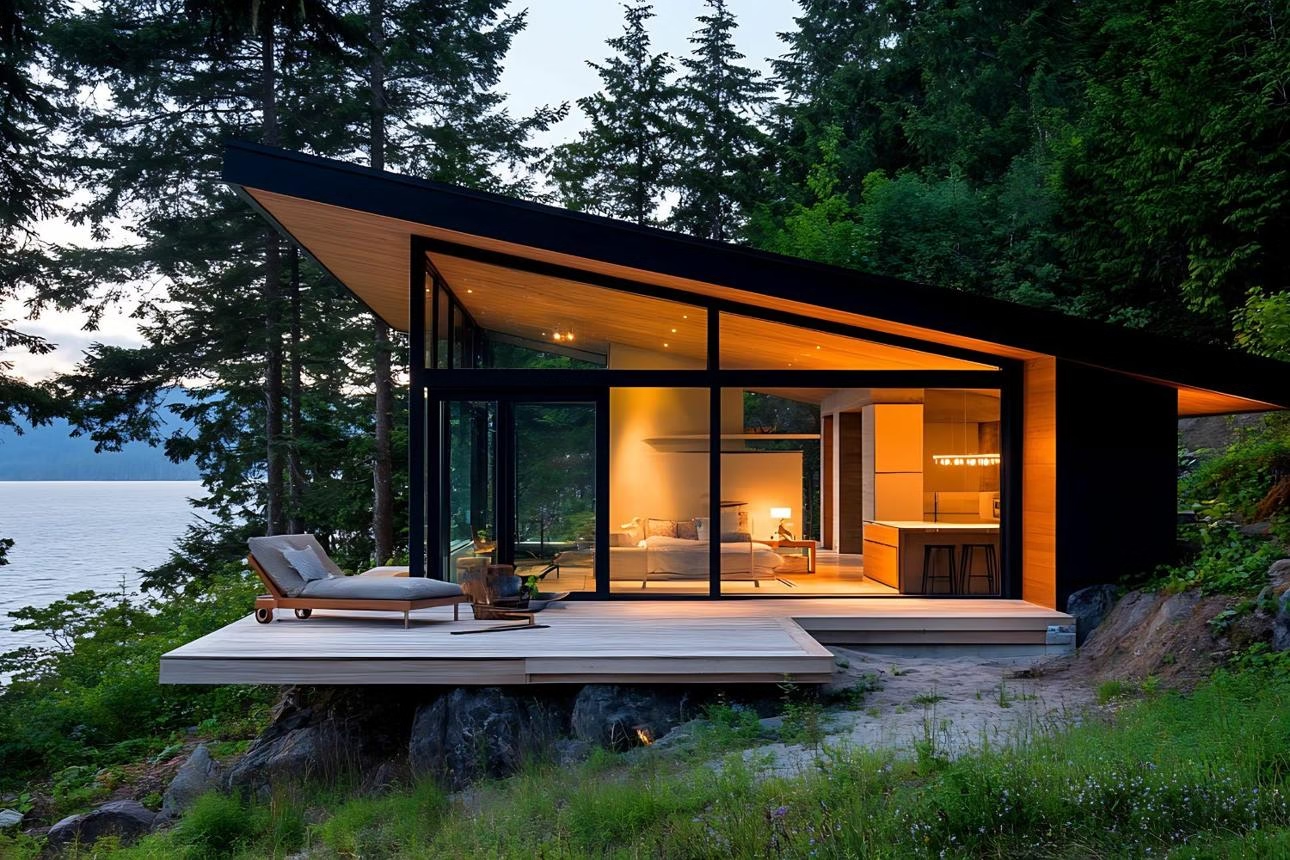
Luxury travel is evolving beyond traditional notions of exclusivity and indulgence. Today’s affluent travelers increasingly seek meaningful experiences, personalized service, sustainability, wellness, and cultural immersion alongside premium accommodations. Across the globe, luxury tourism is being shaped by purpose-driven choices that emphasize authenticity, responsible travel, privacy, and transformative experiences, creating a new standard for high-end getaways in 2026 and beyond.
The Evolution of Luxury Travel
For decades, luxury travel was often associated with five-star hotels, first-class flights, and prestigious destinations. While these elements remain important, today’s high-end travelers are redefining what luxury means.
Modern luxury travelers are prioritizing experiences over possessions. Rather than simply checking into an upscale resort, they want journeys that create lasting memories, offer personal enrichment, and align with their values.
Industry research from organizations including the World Travel & Tourism Council and major hospitality groups suggests that experiential travel, wellness tourism, and sustainable tourism continue to influence purchasing decisions among affluent consumers. Travelers are increasingly asking not only where they are going but also why they are going.
This shift has created a travel landscape where luxury and purpose are no longer separate concepts. Instead, they are becoming deeply interconnected.
Why Are Affluent Travelers Seeking More Meaningful Experiences?
One of the most commonly searched travel questions today is:
“What makes luxury travel worth the investment?”
Increasingly, the answer centers on personal value rather than material luxury.
High-net-worth travelers often have access to premium products in their everyday lives. As a result, unique experiences have become more valuable than tangible amenities.
Examples include:
- Private conservation safaris supporting wildlife protection
- Culinary journeys with local chefs
- Cultural immersion programs led by regional experts
- Educational travel experiences focused on history, art, or ecology
- Community-based tourism initiatives that directly benefit local residents
Rather than simply observing a destination, travelers want opportunities to connect with it.
This trend is especially visible among younger affluent travelers, including Millennials and Gen Z professionals, who often prioritize experiences that reflect personal interests and social values.
The Rise of Sustainable Luxury
Environmental responsibility has become a significant consideration within luxury travel.
Affluent travelers increasingly want reassurance that their vacations contribute positively to destinations rather than placing additional strain on local resources.
Luxury hospitality brands have responded by investing in:
- Renewable energy systems
- Water conservation initiatives
- Waste reduction programs
- Sustainable architecture
- Responsible sourcing practices
- Wildlife conservation partnerships
Importantly, sustainability is no longer viewed as sacrificing comfort.
Many luxury eco-resorts now offer accommodations that rival or exceed traditional five-star properties while minimizing environmental impact.
Across destinations in Costa Rica, New Zealand, Iceland, and parts of Africa, travelers are finding that environmentally conscious travel can enhance rather than diminish the overall experience.
The growing popularity of sustainable luxury reflects a broader desire among travelers to align spending with personal values.
Wellness Travel Continues to Expand
Another major force shaping luxury travel is wellness tourism.
What was once limited to spa vacations has evolved into a comprehensive travel category focused on physical, mental, and emotional well-being.
Today’s wellness-focused luxury travelers seek experiences such as:
- Sleep optimization retreats
- Personalized fitness programs
- Nutritional consultations
- Mindfulness workshops
- Digital detox experiences
- Nature-based recovery programs
- Longevity and preventive health services
Many luxury resorts now collaborate with physicians, nutritionists, fitness experts, and mental health professionals to create customized wellness journeys.
Destinations including Thailand, Switzerland, Bali, and parts of the United States have become major centers for high-end wellness tourism.
For many travelers, wellness is no longer an add-on feature. It is becoming the primary reason for selecting a destination.
Privacy Is the New Luxury
One of the most notable developments in luxury travel is the growing importance of privacy.
The pandemic accelerated demand for secluded accommodations, private transportation, and exclusive experiences. While global travel has recovered, the preference for privacy remains strong.
Travelers increasingly choose:
- Private villas
- Boutique resorts
- Yacht charters
- Exclusive-use lodges
- Private aviation services
- Customized itineraries
For executives, entrepreneurs, celebrities, and high-net-worth families, privacy often enhances comfort, flexibility, and security.
Many luxury providers now market personalized access and exclusivity as core components of their offerings.
The emphasis is not necessarily on isolation but on control over the travel experience.
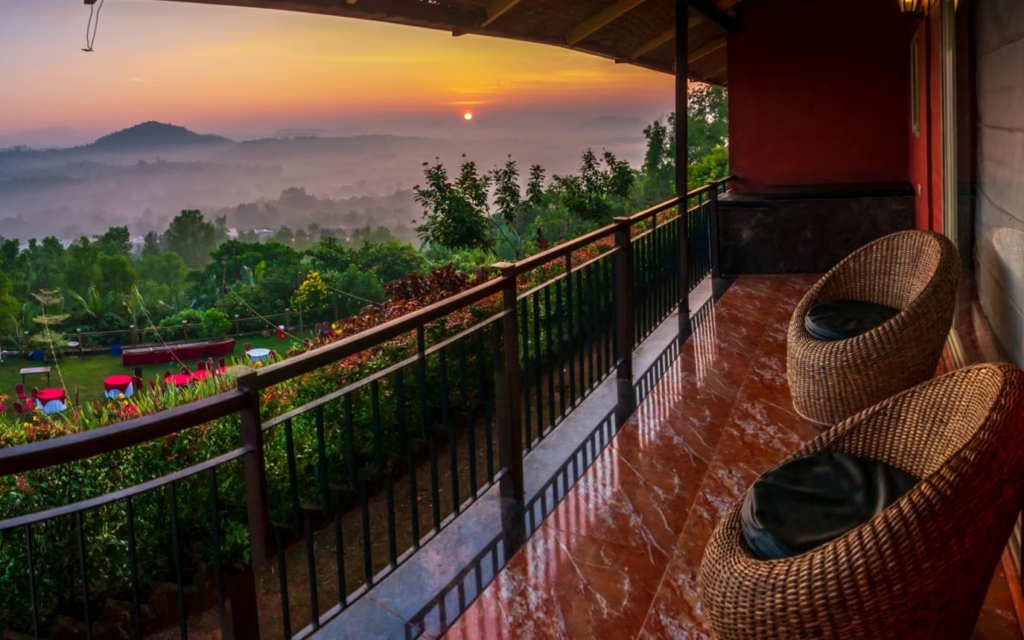
Authentic Cultural Immersion Is Replacing Traditional Tourism
Many luxury travelers are moving away from crowded sightseeing itineraries in favor of deeper cultural engagement.
Instead of rushing through major landmarks, travelers increasingly seek opportunities to understand local traditions, history, and daily life.
Examples include:
- Learning traditional cooking techniques from local families
- Participating in artisan workshops
- Visiting remote communities with expert guides
- Exploring regional agriculture and food systems
- Engaging with historians, conservationists, and cultural leaders
This trend reflects a growing appreciation for authenticity.
Travelers often report that meaningful interactions with local people become the most memorable part of their journeys.
Luxury travel advisors are increasingly designing itineraries around access, expertise, and cultural understanding rather than simply focusing on famous attractions.
Personalization Is Transforming High-End Travel
Technology has enabled unprecedented levels of customization.
Luxury travelers increasingly expect experiences tailored to their preferences before they even arrive.
Today’s personalization can include:
- Customized room settings
- Individual dietary planning
- Preferred wellness treatments
- Private destination guides
- Curated activity schedules
- Personalized transportation arrangements
Artificial intelligence and advanced guest analytics are helping hospitality providers anticipate traveler needs while maintaining high service standards.
For example, returning guests may find accommodations adjusted to preferred room temperatures, favorite beverages stocked upon arrival, and customized experiences prepared based on previous visits.
Personalization is becoming one of the strongest differentiators in luxury hospitality.
Multi-Generational Luxury Travel Is Growing
Family travel has become a major segment of the luxury market.
Many affluent families now prioritize shared experiences that bring multiple generations together.
Grandparents, parents, and children increasingly travel as a group, creating demand for accommodations and experiences suitable for diverse age ranges.
Popular options include:
- Private villa rentals
- Luxury cruise expeditions
- Safari experiences
- National park adventures
- Cultural heritage tours
- Customized family itineraries
These trips often emphasize connection and memory-making rather than traditional sightseeing.
As family wealth transfers continue over the coming decades, multi-generational travel is expected to remain a significant force within luxury tourism.
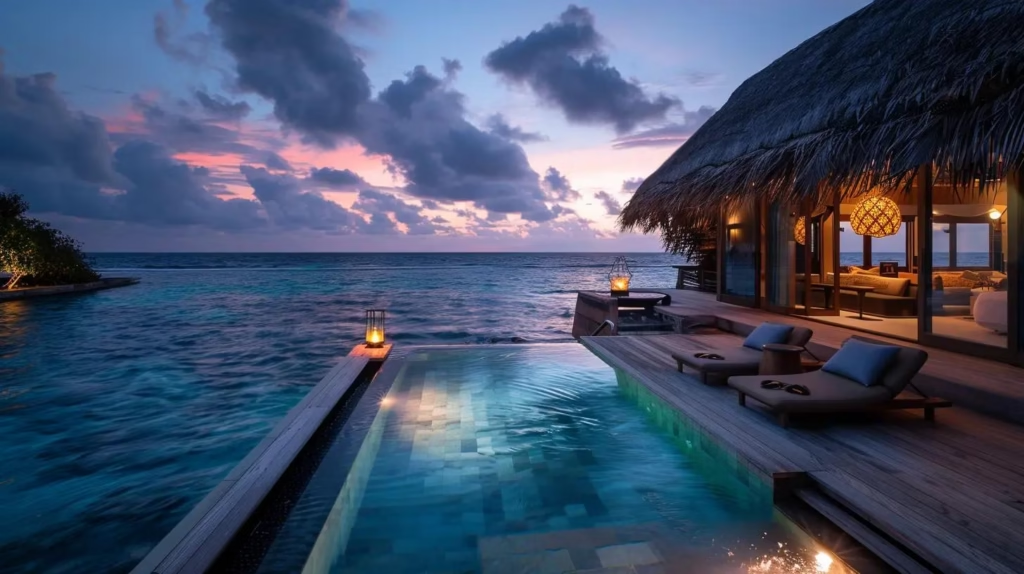
The Growth of Remote and Emerging Destinations
Another defining trend is the increasing popularity of destinations that offer exclusivity through remoteness.
Travelers who have already visited traditional luxury hotspots often seek lesser-known alternatives.
Examples include:
- Arctic expedition voyages
- Remote islands in the South Pacific
- Wilderness lodges in Canada
- Desert retreats in the Middle East
- Conservation-focused camps in Africa
- Rural luxury escapes in South America
These destinations provide a sense of discovery while often supporting conservation and local economic development.
For many travelers, the opportunity to experience places that remain relatively untouched by mass tourism has become a significant part of luxury’s appeal.
How Technology Is Enhancing Luxury Travel
Technology plays an increasingly important role in delivering seamless experiences.
Travelers benefit from innovations such as:
- Digital concierge services
- AI-powered itinerary planning
- Contactless check-in systems
- Smart room controls
- Real-time translation tools
- Personalized travel recommendations
Importantly, successful luxury brands use technology to reduce friction rather than replace human interaction.
The goal is often invisible convenience.
When technology works effectively, guests spend less time managing logistics and more time enjoying their travel experiences.
What Does the Future of Luxury Travel Look Like?
Looking ahead, several trends are likely to continue influencing the luxury travel sector.
Future growth areas include:
- Regenerative tourism
- Wellness and longevity travel
- Conservation-focused experiences
- Customized educational journeys
- Sustainable luxury accommodations
- Exclusive small-group travel
- Technology-enabled personalization
The common theme across these developments is purpose.
Luxury travelers increasingly want experiences that offer enrichment, connection, and positive impact alongside comfort and exclusivity.
Rather than pursuing luxury for its own sake, travelers are seeking journeys that reflect their interests, values, and aspirations.
Frequently Asked Questions
1. What is purpose-driven luxury travel?
Purpose-driven luxury travel combines premium accommodations and services with meaningful experiences such as sustainability initiatives, wellness programs, cultural immersion, or conservation efforts.
2. Is sustainable luxury travel becoming more popular?
Yes. Many affluent travelers increasingly consider environmental responsibility when selecting destinations, hotels, and travel experiences.
3. What are the biggest luxury travel trends in 2026?
Major trends include wellness tourism, personalization, sustainable travel, cultural immersion, privacy-focused experiences, and remote destination exploration.
4. Why is wellness tourism growing among luxury travelers?
Many travelers view vacations as opportunities to improve physical and mental well-being through specialized wellness programs and restorative environments.
5. How important is personalization in luxury travel?
Personalization has become a defining characteristic of premium travel experiences, allowing providers to tailor services to individual preferences.
6. What destinations are benefiting from these trends?
Destinations offering sustainability, wellness, conservation, and authentic cultural experiences are seeing increased interest from luxury travelers.
7. What is regenerative tourism?
Regenerative tourism aims to leave destinations better than they were before through conservation, community support, and responsible visitor engagement.
8. Are luxury travelers still interested in traditional five-star hotels?
Yes, but many travelers now expect meaningful experiences, personalization, and sustainability alongside traditional luxury amenities.
9. How does technology improve luxury travel?
Technology streamlines logistics, enhances personalization, and creates smoother travel experiences without diminishing human service.
10. What defines luxury travel today?
Modern luxury increasingly emphasizes exclusivity, authenticity, privacy, wellness, sustainability, and transformative experiences rather than simply premium products.




Leave a Reply