
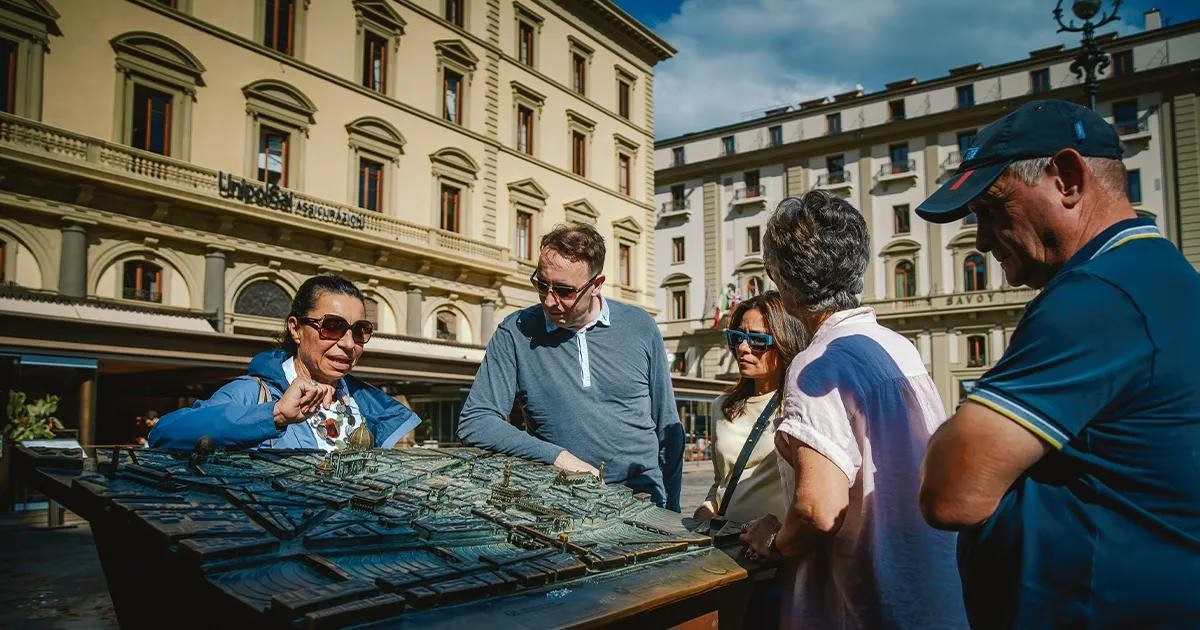
Luxury travel is evolving beyond traditional five-star resorts and standardized VIP experiences. Today’s discerning travelers are prioritizing privacy, personalization, cultural immersion, wellness, sustainability, and exclusive access. Rather than focusing solely on opulent accommodations, affluent travelers increasingly seek meaningful experiences, authentic connections, and customized journeys that align with their values, lifestyles, and long-term well-being.
Introduction
For decades, luxury travel was largely defined by recognizable symbols: beachfront resorts, spacious suites, premium dining, and attentive service. While these elements remain important, the expectations of affluent travelers have changed significantly.
Today’s luxury traveler is often less interested in collecting luxury amenities and more interested in collecting meaningful experiences. They want journeys that feel personal, distinctive, and difficult to replicate. The shift reflects broader changes in consumer behavior, where experiences increasingly hold greater value than possessions.
This evolution has created a new standard of luxury travel—one focused on exclusivity, authenticity, flexibility, and purpose. Travel advisors, hospitality brands, and destination managers are adapting quickly to meet these expectations.
Understanding what modern luxury travelers seek can help travelers make more informed decisions while also revealing where the industry is heading in the years ahead.
Why Traditional Luxury Resorts Are No Longer Enough
Luxury resorts continue to play an important role in premium travel. However, many affluent travelers now view resorts as only one component of a larger journey rather than the destination itself.
Several factors are driving this change.
First, travelers have become more experienced. Many high-net-worth individuals have already visited iconic destinations multiple times. A standard luxury package no longer feels unique.
Second, remote work and flexible lifestyles have increased travel frequency. When people travel more often, they naturally seek deeper and more diverse experiences.
Third, social media and digital access have made once-exclusive experiences more visible and accessible. Travelers now seek opportunities that feel genuinely distinctive rather than widely marketed.
As a result, luxury has shifted from visible status symbols toward personal value and individualized experiences.
The Growing Demand for Personalized Travel
Perhaps the most significant trend in modern luxury travel is personalization.
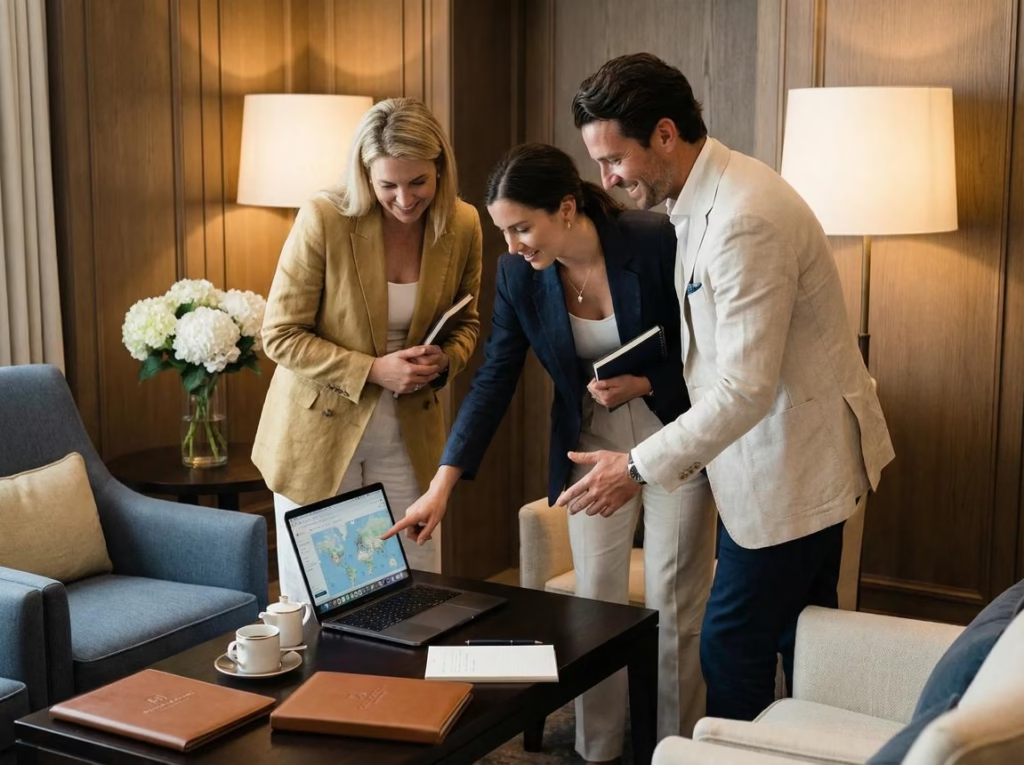
Today’s travelers expect itineraries tailored to their interests, preferences, dietary requirements, and travel goals. Generic packages are increasingly viewed as outdated.
Personalization may include:
- Customized wellness programs
- Private cultural tours
- Tailored culinary experiences
- Flexible scheduling
- Family-specific activities
- Exclusive local access
For example, a traveler interested in architecture may receive private access to historic properties and expert-guided tours. A wellness-focused traveler may prefer a journey centered around sleep optimization, nutrition, and fitness.
Luxury travel advisors report that highly customized itineraries often generate greater satisfaction than expensive accommodations alone because travelers feel their experience was designed specifically for them.
Privacy Has Become a Premium Amenity
Privacy has become one of the most sought-after elements in luxury travel.
Affluent travelers increasingly prioritize:
- Private villas
- Exclusive-use estates
- Boutique properties
- Private transportation
- Yacht charters
- Small-group experiences
This trend accelerated following the pandemic but has continued as travelers recognize the benefits of more controlled and intimate environments.
Privacy is no longer simply about avoiding crowds. It also allows travelers to enjoy flexibility, security, and personalized service without interruption.
A family vacation in a secluded mountain lodge may now be considered more luxurious than staying in a large, internationally recognized resort, even if the latter offers more amenities.
Authentic Cultural Experiences Are Driving Travel Decisions
One of the most notable shifts in luxury travel is the desire for authenticity.
Travelers increasingly want to engage with local communities, traditions, and cultures in meaningful ways.
Examples include:
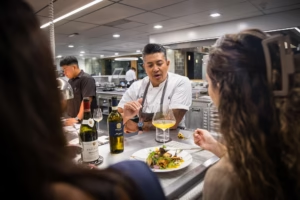
- Private cooking experiences with local chefs
- Artisan workshops
- Indigenous cultural programs
- Historical storytelling experiences
- Local conservation projects
- Regional food and wine tours
Rather than observing destinations from a distance, travelers want deeper engagement.
A luxury traveler visiting Italy may prefer spending a day learning traditional olive harvesting techniques with a local family over spending the same day at a resort pool. Similarly, visitors to Japan often seek private cultural experiences that provide insight into local customs and traditions.
Authenticity has become a defining characteristic of modern luxury.
Wellness Is Expanding Beyond Spa Treatments
Wellness travel has grown into one of the most influential sectors within luxury tourism.
However, wellness today extends far beyond massages and spa packages.
Many luxury travelers now seek experiences focused on:
- Mental health
- Sleep quality
- Stress reduction
- Physical performance
- Longevity
- Nutrition
- Digital detoxification
Luxury wellness retreats increasingly incorporate medical consultations, personalized health assessments, fitness coaching, mindfulness training, and nutrition planning.
Travelers are viewing vacations as opportunities to improve their long-term well-being rather than simply escape daily responsibilities.
Destinations offering holistic wellness experiences often command premium pricing because they provide measurable value that extends beyond the trip itself.
Sustainability Matters More Than Ever
Sustainability has become a major consideration among luxury travelers.
Research across the travel industry consistently shows growing interest in environmentally responsible travel practices, particularly among younger affluent consumers.
However, modern luxury travelers typically seek sustainability without sacrificing comfort.
They increasingly favor properties that demonstrate:
- Responsible resource management
- Conservation initiatives
- Renewable energy usage
- Community engagement
- Ethical sourcing practices
- Wildlife protection programs
Importantly, travelers are becoming more sophisticated in evaluating sustainability claims. They often look for measurable actions rather than broad marketing statements.
For example, a luxury lodge that actively funds habitat restoration projects may be viewed more favorably than a property making vague environmental claims.
Sustainability is no longer a niche preference. It has become an important component of luxury decision-making.
Exclusive Access Is the New Status Symbol
Historically, luxury travel often emphasized visible displays of exclusivity.
Today, access itself has become the true luxury.
Discerning travelers increasingly seek experiences unavailable to the general public.
Examples include:
- After-hours museum visits
- Private gallery viewings
- Expert-led expeditions
- Access to restricted historical sites
- Invitations to local cultural events
- Behind-the-scenes experiences
These opportunities create memorable stories and meaningful connections that cannot easily be replicated.
In many cases, exclusive access delivers greater satisfaction than luxury accommodations because it offers something truly unique.
Travel advisors frequently note that travelers remember exceptional experiences long after they forget the details of a hotel room.
The Rise of Slow Travel
Another important development is the growing popularity of slow travel.
Rather than visiting multiple destinations in a short period, luxury travelers increasingly choose to spend extended time in fewer locations.
Benefits include:
- Reduced travel stress
- Greater cultural immersion
- Stronger local connections
- Better environmental outcomes
- Enhanced overall enjoyment
A traveler spending three weeks exploring a single region of France may gain far more meaningful experiences than someone attempting to visit five countries within the same timeframe.
Slow travel aligns closely with broader luxury trends focused on quality, authenticity, and intentionality.
Multi-Generational Luxury Travel Is Expanding
Family travel is becoming increasingly sophisticated.
Many affluent families are investing in multi-generational experiences that bring grandparents, parents, and children together.
These trips often prioritize:
- Shared experiences
- Educational opportunities
- Flexible accommodations
- Private transportation
- Personalized activities for different age groups
Luxury villas, private estates, and expedition-style travel have become particularly popular because they allow families to customize their experiences while maintaining privacy and convenience.
For many travelers, creating meaningful family memories now represents a higher priority than traditional luxury amenities.
Technology Is Enhancing Rather Than Replacing Human Service
Technology continues to influence luxury travel, but not in the way many predicted.
Rather than replacing human interaction, technology is increasingly being used to enhance personalized service.
Examples include:
- AI-assisted itinerary planning
- Real-time travel support
- Smart room customization
- Personalized recommendations
- Digital concierge services
However, luxury travelers still place significant value on human expertise.
A skilled travel advisor who understands a client’s preferences often remains one of the most valuable resources in luxury travel planning.
Technology works best when it supports seamless service while allowing travelers to focus on their experiences.
What Does the Future of Luxury Travel Look Like?
Looking ahead, luxury travel will likely become even more personalized, experience-driven, and purpose-focused.
Future trends may include:
- Greater emphasis on wellness and longevity
- Increased demand for private and semi-private experiences
- More immersive cultural engagement
- Expanded sustainability expectations
- Advanced personalization powered by technology
- Longer, slower travel experiences
The common thread connecting these trends is clear: travelers are seeking value that goes beyond material luxury.
The future of luxury travel is less about what travelers own during a trip and more about how they feel, learn, connect, and grow throughout the experience.
Frequently Asked Questions
1. What defines luxury travel today?
Modern luxury travel is defined by personalization, exclusivity, privacy, authentic experiences, wellness opportunities, and exceptional service rather than simply expensive accommodations.
2. Are luxury resorts still popular?
Yes. Luxury resorts remain highly popular, but travelers increasingly view them as one part of a broader travel experience rather than the sole attraction.
3. Why is personalization important in luxury travel?
Personalization ensures that every aspect of the journey aligns with a traveler’s interests, preferences, goals, and lifestyle.
4. What is slow travel?
Slow travel emphasizes spending more time in fewer destinations to encourage deeper cultural immersion and reduce travel stress.
5. How important is sustainability to luxury travelers?
Sustainability is becoming increasingly important, particularly among younger affluent travelers who seek responsible tourism practices.
6. What types of wellness experiences are most popular?
Popular wellness experiences include sleep retreats, fitness programs, nutrition-focused travel, mindfulness retreats, and longevity-oriented health programs.
7. Why is privacy considered a luxury?
Privacy offers exclusivity, security, flexibility, and personalized service that many travelers value more than large-scale resort amenities.
8. What role does technology play in luxury travel?
Technology helps create seamless experiences through personalized recommendations, itinerary management, and concierge services while supporting human-led hospitality.
9. Are multi-generational luxury trips increasing?
Yes. Families increasingly invest in premium travel experiences designed to create lasting memories across multiple generations.
10. What is the biggest trend shaping luxury travel?
The strongest trend is the shift toward meaningful, personalized experiences that reflect individual values and interests.


Leave a Reply