
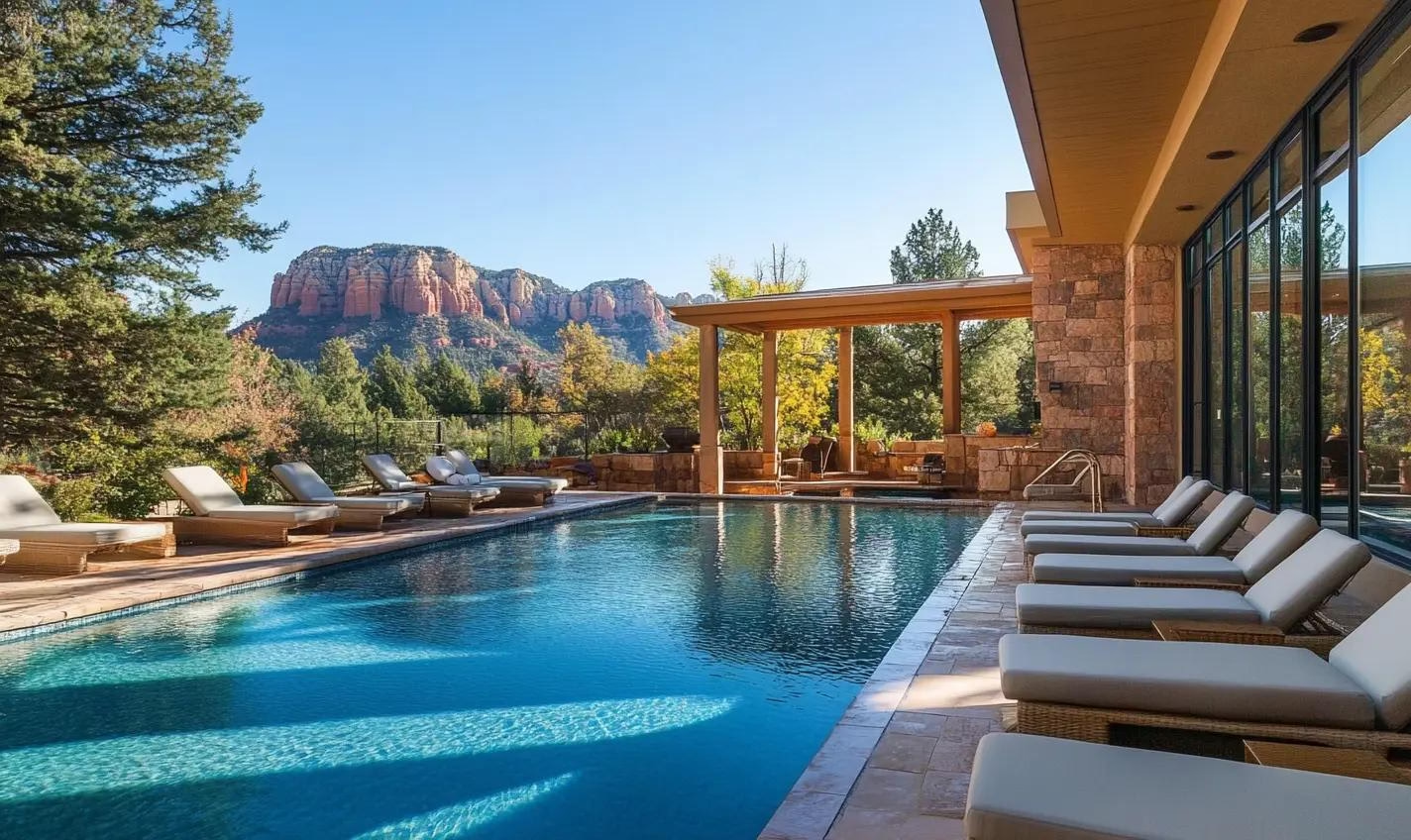
Luxury travel is evolving beyond traditional five-star hotels and first-class flights. Today’s affluent travelers increasingly prioritize personalization, privacy, meaningful experiences, sustainability, and access to destinations that feel exclusive yet authentic. From remote island retreats and private cultural experiences to wellness-focused journeys and customized itineraries, the modern luxury travel market reflects changing consumer expectations and a broader definition of what premium travel truly means.
The New Definition of Luxury Travel
For decades, luxury travel was largely associated with recognizable symbols of wealth: premium airline cabins, iconic luxury hotels, and exclusive resorts. While these elements remain important, today’s luxury travelers often evaluate trips differently.
Increasingly, luxury is defined by time, convenience, personalization, and access. Travelers are willing to invest more when experiences feel tailored specifically to their interests and needs.
A family celebrating a milestone anniversary may prioritize a privately guided cultural tour through historic villages rather than a traditional luxury package. A business executive may value seamless airport transfers, personalized wellness programs, and flexible itineraries more than extravagant accommodations alone.
This shift reflects broader changes in consumer behavior across the United States. High-income travelers increasingly seek experiences that create meaningful memories rather than simply showcasing status.
Several factors are influencing this evolution:
- Greater emphasis on personal fulfillment
- Increased demand for privacy
- Growth of wellness-focused lifestyles
- Rising interest in cultural authenticity
- Flexible work arrangements enabling longer trips
- Improved access to remote destinations
As a result, luxury travel providers are adapting their offerings to meet these changing expectations.
Emerging Destinations Capturing Luxury Travelers’ Attention
Many travelers continue visiting established luxury hotspots such as Hawaii, Aspen, and the French Riviera. However, emerging destinations are attracting significant interest because they offer exclusivity without excessive crowds.
Lesser-Known Mediterranean Locations
While destinations such as Santorini and Mykonos remain popular, affluent travelers increasingly explore smaller islands and coastal communities.
Places like the Greek islands of Milos and Paros offer:
- High-end accommodations
- Exceptional local cuisine
- Scenic coastlines
- More privacy than heavily visited tourist hubs
Travel advisors report growing demand for destinations where travelers can enjoy premium experiences without competing with large crowds.
Nordic Luxury Experiences
Northern Europe has emerged as a major luxury travel category.

Travelers are increasingly drawn to:
- Private fjord cruises in Norway
- Luxury wilderness lodges
- Arctic wellness retreats
- Northern Lights experiences
The appeal often lies in combining adventure, nature, and premium hospitality.
Remote Island Destinations
Luxury travelers increasingly seek destinations that provide seclusion and natural beauty.
Examples include:
- Private islands in the Maldives
- Luxury eco-resorts in Fiji
- High-end retreats in French Polynesia
- Boutique Caribbean islands with limited development
These destinations appeal to travelers seeking both exclusivity and tranquility.
Domestic Luxury Destinations in the United States
American travelers are also rediscovering luxury closer to home.
Growing interest can be seen in:
- Montana ranch resorts
- Luxury desert retreats in Utah
- Coastal escapes in Maine
- Boutique resorts in Napa Valley
- Wellness-focused properties in Arizona
Domestic luxury travel remains attractive because it offers convenience while still delivering distinctive experiences.
Why Personalization Has Become the Ultimate Luxury
One of the most significant trends shaping the luxury travel industry is personalization.
Travelers increasingly expect itineraries built around their interests rather than standardized packages.
A personalized itinerary might include:
- Private museum access before opening hours
- Customized culinary experiences
- Exclusive meetings with local artisans
- Tailored wellness programs
- Private transportation arrangements
Technology plays an important role in enabling these experiences.
Luxury travel companies now collect preference data ranging from dietary requirements to activity interests and room preferences. This information helps create highly customized journeys that feel seamless and effortless.
For many travelers, personalization provides greater value than traditional luxury amenities.
The Rise of Experiential Luxury
Luxury travelers increasingly prioritize experiences over possessions.
Instead of collecting souvenirs, many travelers seek memorable moments that cannot easily be replicated.
Examples include:
- Private wildlife safaris
- Culinary tours with renowned chefs
- Exclusive vineyard experiences
- Guided historical explorations
- Conservation-focused travel programs

Experiential luxury often combines education, entertainment, and personal enrichment.
This trend reflects a broader shift among affluent consumers who increasingly value meaningful experiences and lifelong memories.
Wellness Travel Continues to Expand
Wellness tourism has become one of the fastest-growing segments within luxury travel.
Travelers increasingly view vacations as opportunities to improve both physical and mental well-being.
Modern luxury wellness programs frequently include:
- Personalized fitness assessments
- Nutrition consultations
- Stress management programs
- Sleep optimization treatments
- Mindfulness coaching
- Outdoor adventure activities
Luxury wellness properties often integrate medical expertise, advanced diagnostics, and holistic treatments into comprehensive programs.
Rather than focusing solely on relaxation, many travelers now seek measurable health outcomes from their vacations.
This shift is particularly visible among professionals looking to balance demanding careers with long-term wellness goals.
Sustainability Is Becoming a Luxury Expectation
Environmental responsibility is increasingly influencing travel decisions.
Affluent travelers are asking more questions about:
- Energy usage
- Waste reduction
- Conservation initiatives
- Local community involvement
- Ethical sourcing practices
Many luxury resorts now emphasize sustainability without compromising comfort.
Examples include:
- Solar-powered facilities
- Water conservation systems
- Locally sourced food programs
- Wildlife protection initiatives
- Carbon reduction strategies
Travelers often view sustainability as a marker of quality and thoughtful management rather than merely a marketing feature.
The most successful luxury brands integrate sustainability naturally into the guest experience.
Technology’s Expanding Role in Premium Travel
Technology is reshaping luxury travel in ways that improve convenience and efficiency.
Modern travelers increasingly expect digital tools to enhance their experience without diminishing personal service.
Key innovations include:
- Mobile concierge services
- Contactless check-in systems
- AI-assisted itinerary planning
- Real-time travel support
- Smart-room customization
Luxury travelers generally appreciate technology when it removes friction from the travel process.
However, successful luxury brands understand that technology should support human interaction rather than replace it.
The balance between personalization and automation remains a critical factor in guest satisfaction.
What American Luxury Travelers Are Looking for Today
The preferences of U.S. travelers continue to evolve.
Research across the travel industry suggests several priorities consistently influence booking decisions.
Privacy
Private villas, exclusive-use properties, and personalized transportation services remain highly desirable.
Flexibility
Travelers increasingly value adaptable booking policies and customizable itineraries.
Authenticity
Luxury travelers often seek deeper connections with local cultures rather than generic tourist experiences.
Wellness
Health and well-being continue influencing destination selection and activity planning.
Time Efficiency
Convenience remains a major component of perceived luxury.
Premium travelers often prioritize services that reduce logistical challenges and maximize enjoyment.
How Luxury Hospitality Is Adapting
Hotels, resorts, cruise operators, and travel advisors are responding to these changing demands.
Successful luxury providers increasingly focus on:
- Personalized guest profiles
- Smaller-scale boutique properties
- Local partnerships
- Wellness programming
- Sustainable operations
- Exclusive access opportunities

Many hospitality brands are moving away from one-size-fits-all models toward highly individualized experiences.
This approach often leads to stronger guest loyalty and repeat visitation.
Frequently Asked Questions
What is considered luxury travel today?
Luxury travel increasingly focuses on personalized experiences, privacy, convenience, wellness, and exclusive access rather than simply expensive accommodations or transportation.
Are luxury travelers still interested in traditional five-star hotels?
Yes. However, many travelers now expect more than premium facilities. Personalized service and unique experiences are often equally important.
What are the fastest-growing luxury travel segments?
Wellness travel, experiential travel, sustainable tourism, private travel experiences, and customized itineraries are among the fastest-growing segments.
Why are emerging destinations becoming popular?
Emerging destinations often offer exclusivity, authenticity, and fewer crowds while still delivering high-quality accommodations and services.
Is sustainable travel important to luxury travelers?
Increasingly, yes. Many affluent travelers evaluate environmental and social responsibility when selecting destinations and accommodations.
How has technology changed luxury travel?
Technology improves convenience through mobile services, personalized recommendations, streamlined booking processes, and real-time travel assistance.
What role does wellness play in luxury travel?
Wellness has become a central component of many luxury trips, ranging from spa retreats to comprehensive health and fitness programs.
Are domestic luxury trips growing in popularity?
Yes. Many American travelers are choosing premium domestic experiences because they combine convenience with unique accommodations and activities.
What makes a luxury travel experience memorable?
Personalization, exceptional service, meaningful experiences, authenticity, and seamless logistics often contribute more to satisfaction than luxury amenities alone.
How far in advance should luxury travel be planned?
Complex luxury itineraries often benefit from planning six to twelve months ahead, especially when exclusive accommodations or unique experiences are involved.




Leave a Reply