
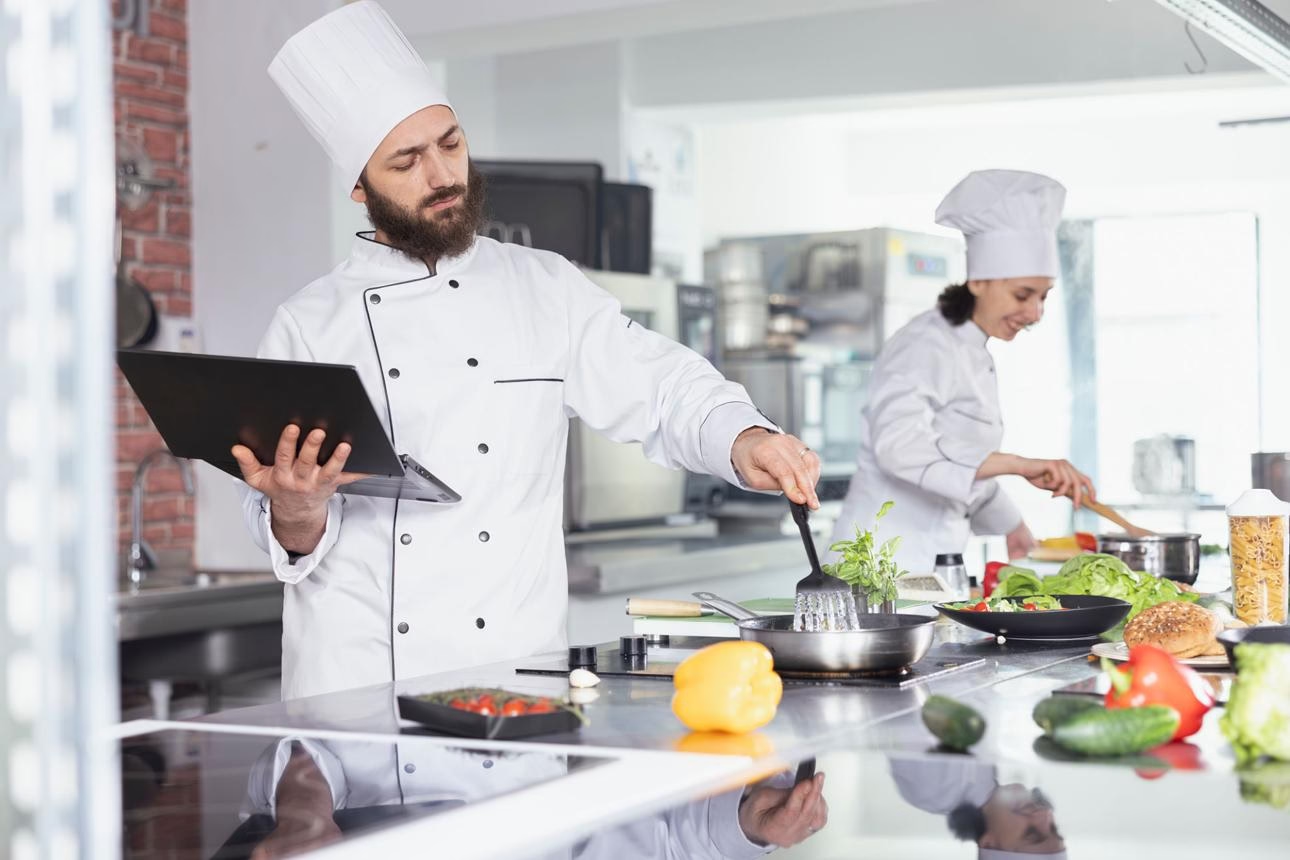
Across the United States, gourmet dining is evolving beyond luxury restaurants and special occasions. Culinary innovation, technology, sustainability, regional storytelling, and changing consumer preferences are reshaping how Americans experience food. From chef-driven tasting menus to immersive dining concepts and farm-to-table sourcing, elevated dining now emphasizes authenticity, creativity, and memorable experiences, influencing both high-end restaurants and everyday food culture.
The Evolution of Gourmet Dining in America
For decades, gourmet dining in the United States was largely associated with formal restaurants, white tablecloth service, and exclusive menus. While those elements still exist, the definition of a gourmet experience has expanded considerably. Today’s diners often seek more than exceptional food—they want stories, craftsmanship, personalization, and meaningful connections to ingredients and culture.
This shift reflects broader changes in consumer behavior. Modern diners are increasingly informed about food origins, cooking techniques, sustainability practices, and global culinary traditions. As a result, restaurants and hospitality businesses are adapting by creating experiences that combine culinary excellence with education, entertainment, and authenticity.
The rise of food-focused media, social platforms, culinary tourism, and chef-driven storytelling has accelerated this transformation. Americans are no longer simply asking where to eat. They are asking why a dining experience matters and what makes it memorable.
Why Americans Are Seeking More Experiential Dining
One of the most significant developments in modern food culture is the movement toward experiential dining. Consumers increasingly value experiences over possessions, and food has become a central part of that trend.
A gourmet experience today may include:
- Chef’s tasting menus with ingredient narratives
- Open-kitchen interactions
- Seasonal and hyper-local menus
- Culinary workshops and demonstrations
- Multi-sensory dining environments
- Wine, cocktail, or spirit pairings
- Regional and cultural storytelling
Rather than focusing solely on luxury, many restaurants now emphasize emotional engagement. Guests often leave remembering the story behind a dish, the farmer who supplied ingredients, or the chef’s inspiration as much as the flavors themselves.
This evolution has helped gourmet dining become more accessible to a broader audience. Elevated experiences are increasingly available across different price points, cities, and dining formats.
Culinary Innovation Is Transforming the Dining Landscape
Innovation has become one of the defining characteristics of modern gourmet dining. While creativity has always played a role in professional cooking, today’s innovations extend beyond the plate.
Chefs are combining traditional techniques with modern science, advanced equipment, and global influences to create unique dining experiences. Methods such as fermentation, precision temperature cooking, dry aging, and ingredient preservation are helping restaurants develop more complex flavors while reducing waste.
Technology is also changing how restaurants operate. Digital reservations, personalized guest profiles, AI-assisted inventory management, and interactive menu experiences help restaurants deliver more tailored service.
At the same time, innovation does not necessarily mean complexity. Many acclaimed chefs focus on highlighting exceptional ingredients through simple preparation methods. In many cases, restraint and quality are viewed as forms of innovation themselves.
Examples include:
- Heritage grain programs that revive traditional crops
- Vegetable-focused tasting menus
- Zero-waste kitchen initiatives
- Regionally inspired menus using local sourcing
- Sustainable seafood partnerships
These innovations reflect a growing emphasis on quality, transparency, and responsibility.
The Growing Influence of Global Cuisine
America’s culinary identity has always been shaped by diverse cultural influences. Today’s gourmet landscape reflects an even broader appreciation for international flavors and techniques.
Rather than offering generalized interpretations of global cuisine, many chefs are focusing on authenticity and cultural respect. Diners increasingly seek experiences that accurately represent culinary traditions while allowing room for creative expression.
Popular influences include:
- Japanese omakase experiences
- Regional Mexican cuisine
- Korean-inspired tasting menus
- Mediterranean-focused dining concepts
- Nordic fermentation techniques
- Southeast Asian flavor profiles
- Indigenous American culinary traditions
This global perspective has expanded the American palate. Ingredients once considered niche are now appearing in mainstream restaurants, grocery stores, and home kitchens.
As a result, gourmet dining has become a platform for cultural exchange and education, allowing diners to explore traditions from around the world without leaving their communities.
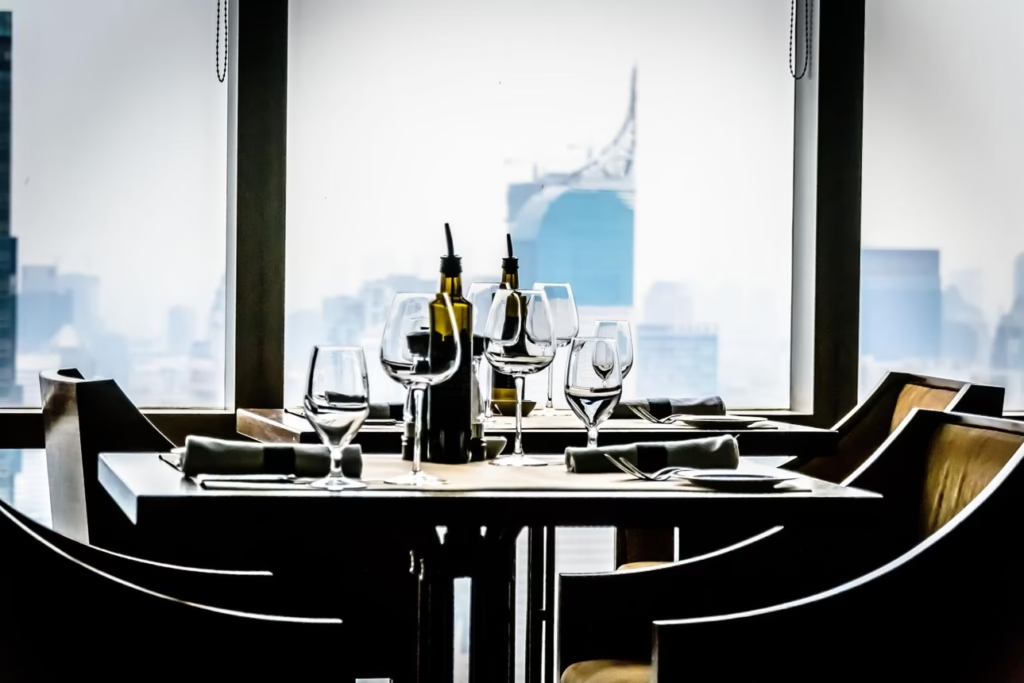
Sustainability Is Becoming a Core Ingredient
One of the most important forces shaping elevated dining is sustainability. Consumers increasingly want to understand how ingredients are sourced, produced, and transported.
Restaurants responding to these expectations often focus on:
- Local sourcing
- Seasonal menus
- Reduced food waste
- Sustainable seafood practices
- Regenerative agriculture partnerships
- Composting and recycling programs
- Energy-efficient kitchen operations
Many chefs view sustainability not as a marketing strategy but as an operational necessity. Seasonal sourcing often improves freshness and flavor while supporting local economies.
For diners, sustainability adds value by creating a stronger connection between food and community. A meal becomes more meaningful when guests understand where ingredients originated and how they were produced.
This trend is influencing not only fine dining establishments but also fast-casual restaurants, hotels, food halls, and independent eateries.
How Technology Is Enhancing Gourmet Experiences
Technology is increasingly integrated into the dining journey, often in ways that remain invisible to guests.
Restaurants are using technology to improve:
- Reservation management
- Personalized service
- Inventory forecasting
- Food safety monitoring
- Customer communication
- Dietary preference tracking
Some establishments have introduced interactive elements such as digital wine lists, augmented menu presentations, or immersive visual storytelling during tasting menus.
At the same time, many chefs are careful not to allow technology to overshadow hospitality. The most successful dining experiences typically use technology to support human interaction rather than replace it.
For guests, this often means smoother service, greater personalization, and enhanced convenience.
The Rise of Chef-Led Storytelling
Modern diners increasingly want to know the story behind their meals.
Chef-led storytelling has become a powerful tool for creating deeper connections between guests and cuisine. Menus frequently include details about sourcing, inspiration, family traditions, and regional influences.
A chef may explain:
- Why a particular ingredient was chosen
- The history behind a recipe
- Relationships with local farmers
- Cultural significance of a dish
- Seasonal influences on menu development
This approach transforms dining from a transactional experience into an educational and emotional one.
For restaurants, storytelling helps differentiate offerings in a competitive market. For diners, it provides context that enhances appreciation and enjoyment.
Farm-to-Table Has Matured Beyond a Trend
The farm-to-table movement has evolved significantly over the past two decades.
Initially viewed as a niche concept, local sourcing is now a common expectation among many consumers. However, modern farm-to-table dining extends beyond simply purchasing nearby ingredients.
Leading restaurants often develop long-term relationships with farmers, ranchers, fishermen, and artisans. These partnerships allow chefs to influence crop planning, secure unique ingredients, and create highly seasonal menus.
Benefits include:
- Fresher ingredients
- Stronger regional identities
- Reduced transportation impacts
- Support for local businesses
- Greater menu flexibility
For consumers, farm-to-table dining often provides a more authentic and transparent food experience.
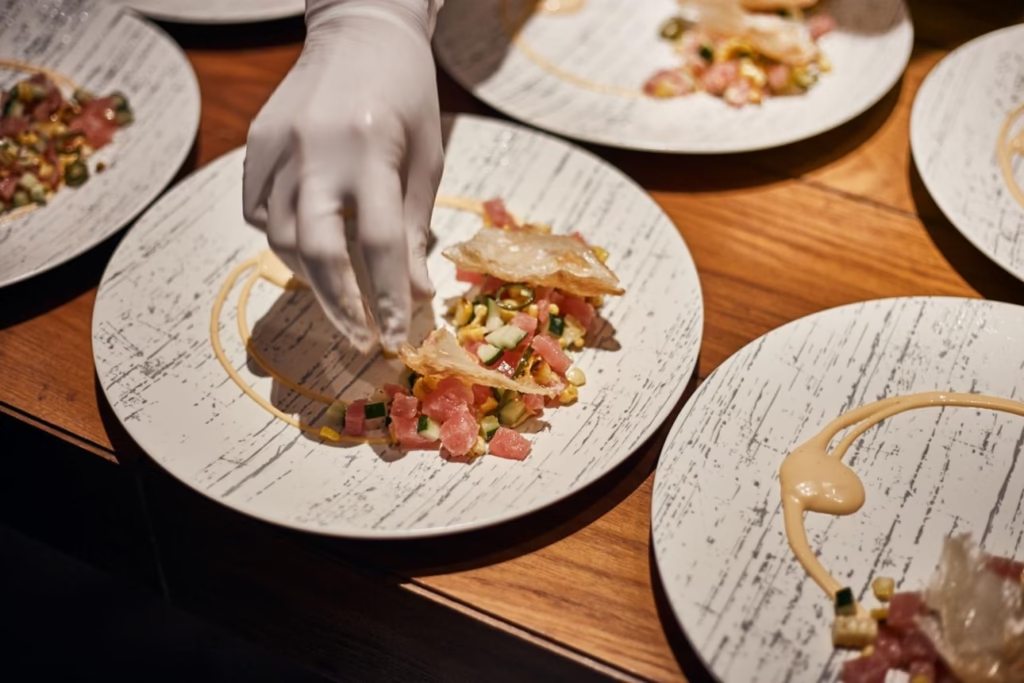
Luxury Dining Is Becoming More Inclusive
Traditional fine dining sometimes carried a reputation for exclusivity and rigid formality. Today’s gourmet landscape is generally more welcoming and approachable.
Many successful restaurants are redefining luxury through:
- Personalized hospitality
- Comfortable environments
- Accessible menu explanations
- Flexible dining formats
- Diverse culinary influences
This shift reflects changing consumer expectations. Guests increasingly value genuine hospitality over formal traditions.
An elevated experience may now take place in a neighborhood restaurant, boutique hotel, urban food hall, or chef-owned tasting room rather than exclusively in luxury dining establishments.
As a result, gourmet dining has become more inclusive while maintaining high standards of quality and creativity.
What Diners Are Looking for in 2026 and Beyond
Several emerging trends are likely to influence the future of gourmet dining.
Consumers increasingly prioritize:
- Authenticity over prestige
- Sustainability over excess
- Personalization over standardization
- Regional identity over generic concepts
- Experiences over transactions
Restaurants that successfully balance innovation with authenticity are likely to remain competitive.
Future developments may include greater integration of local food systems, advanced culinary technologies, enhanced dietary customization, and deeper collaborations between chefs, farmers, and food producers.
At the same time, the core principles of hospitality—excellent food, thoughtful service, and meaningful connections—are expected to remain unchanged.
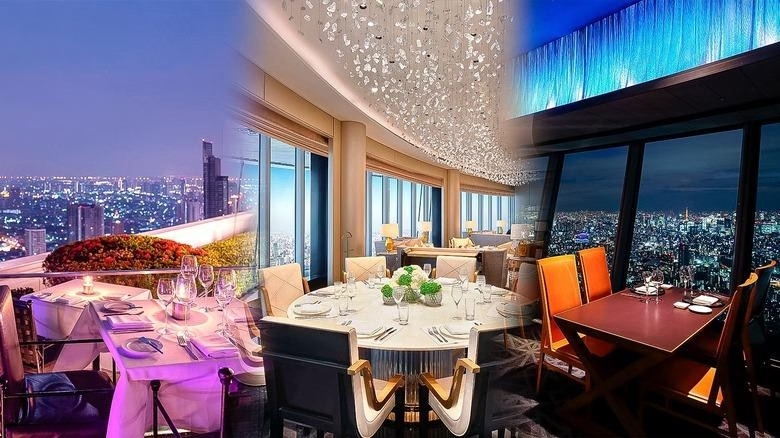
Frequently Asked Questions
What qualifies as a gourmet dining experience?
A gourmet dining experience typically combines high-quality ingredients, skilled culinary techniques, thoughtful presentation, attentive service, and a memorable atmosphere.
Is gourmet dining only for special occasions?
No. Many modern gourmet experiences are designed for everyday dining and are available across a range of budgets and restaurant styles.
Why is storytelling important in restaurants?
Storytelling helps diners understand ingredient origins, cultural influences, and culinary inspiration, creating a deeper connection to the meal.
How does sustainability influence gourmet restaurants?
Sustainability affects sourcing, waste reduction, menu design, energy use, and relationships with local producers.
What is experiential dining?
Experiential dining emphasizes engagement beyond food itself, often incorporating education, interaction, entertainment, or immersive elements.
Are tasting menus becoming more popular?
Yes. Tasting menus allow chefs to showcase creativity, seasonality, and storytelling through a curated sequence of dishes.
How is technology changing restaurants?
Technology improves reservations, personalization, inventory management, food safety, and guest communication while enhancing operational efficiency.
What role does local sourcing play in elevated dining?
Local sourcing often improves freshness, supports regional economies, and helps restaurants create distinctive culinary identities.
Why are global flavors becoming more common in gourmet cuisine?
Consumers are increasingly interested in cultural exploration, leading chefs to incorporate authentic international ingredients and techniques.
Will gourmet dining continue evolving?
Yes. Consumer expectations, sustainability priorities, culinary innovation, and technological advancements will continue shaping the future of dining.





Leave a Reply