

America’s islands are attracting renewed interest from travelers, scientists, and conservation groups alike. From remote wildlife sanctuaries and cultural heritage destinations to climate-sensitive ecosystems, islands offer experiences and research opportunities that are increasingly difficult to find elsewhere. As tourism patterns evolve and environmental awareness grows, these distinctive landscapes are becoming important centers for recreation, education, biodiversity protection, and sustainable development.
Why Islands Are Capturing America’s Attention Again
For much of the modern travel era, major cities and iconic national parks dominated tourism conversations across the United States. Today, however, many travelers are looking for experiences that feel more immersive, less crowded, and more connected to nature and local culture. This shift has helped bring renewed attention to America’s diverse island destinations.
The United States is home to hundreds of inhabited and protected islands, ranging from tropical environments in the Pacific and Caribbean to rugged coastal islands along the Atlantic and Pacific Oceans. These destinations are increasingly appealing because they offer a rare combination of natural beauty, ecological significance, and cultural authenticity.
At the same time, researchers and conservationists have intensified their focus on islands. Many island ecosystems serve as living laboratories where scientists can study climate change, biodiversity, migration patterns, invasive species, and habitat restoration. The same qualities that attract visitors often make islands especially valuable for environmental research.
The result is what many observers describe as the “Island Effect”—a growing recognition that islands represent much more than vacation destinations. They are places where environmental, cultural, and economic trends intersect in meaningful ways.
The Unique Appeal of Island Travel
One reason islands continue to attract visitors is their ability to create a sense of separation from everyday life. Crossing water often creates a psychological transition that feels different from simply driving to another destination.
Many travelers report that islands encourage slower, more intentional experiences. Whether exploring coastal trails, observing wildlife, or learning about local traditions, visitors often engage more deeply with their surroundings.
Several factors contribute to this appeal:
- Distinct landscapes and ecosystems
- Strong local cultural identities
- Opportunities for wildlife viewing
- Reduced urban development in many locations
- Greater emphasis on outdoor recreation
- Memorable transportation experiences involving ferries or boats
These characteristics help create experiences that feel unique even for well-traveled Americans.
America’s Most Distinctive Island Destinations
Across the country, several islands have become notable examples of how tourism, conservation, and community development can coexist.
Mackinac Island, Michigan

Perhaps best known for its ban on most motor vehicles, Mackinac Island offers visitors a rare opportunity to experience transportation centered around bicycles, walking, and horse-drawn carriages.
Its preserved historic character, scenic shoreline, and slower pace make it a compelling example of how island communities can maintain distinctive identities while welcoming large numbers of visitors.
San Juan Islands, Washington
The San Juan Islands have become popular among travelers seeking marine wildlife, kayaking, cycling, and sustainable tourism experiences.
The region is also an important location for studying marine ecosystems, including the health of endangered orca populations and changing ocean conditions.
Key West, Florida
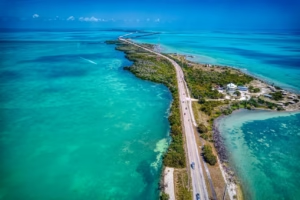
Located at the southern end of the Florida Keys, Key West combines cultural history, maritime heritage, and environmental significance. Coral reef systems surrounding the region support marine biodiversity while drawing divers and researchers from around the world.
Catalina Island, California
Catalina Island demonstrates how conservation efforts can coexist with tourism. Large portions of the island remain protected, providing habitat for native wildlife while supporting outdoor recreation.
Why Researchers Are Paying Closer Attention
Scientists have long recognized islands as valuable research environments. Today, their importance has only increased.
Because islands are often geographically isolated, environmental changes can become visible more quickly than in larger continental systems. Researchers can track ecosystem responses, species interactions, and climate impacts with greater clarity.
Important research areas include:
- Sea-level rise and coastal adaptation
- Coral reef health
- Bird migration patterns
- Marine biodiversity
- Invasive species management
- Habitat restoration
- Renewable energy implementation
For example, islands along the Atlantic and Gulf coasts provide critical opportunities to study shoreline resilience. Pacific islands help researchers understand ocean warming and ecosystem adaptation.
Many universities, government agencies, and nonprofit organizations maintain long-term research projects on island ecosystems because these environments often reveal environmental changes earlier than other regions.
The Conservation Connection
The growing popularity of island destinations has also brought greater attention to conservation challenges.
Many island ecosystems contain species found nowhere else on Earth. Geographic isolation can create unique biological communities that are especially vulnerable to environmental disruption.
Conservation organizations frequently focus on islands because relatively small interventions can produce significant ecological benefits. Removing invasive species, restoring native vegetation, or protecting nesting habitats can dramatically improve ecosystem health.
Several conservation priorities are receiving increased attention:
- Protecting coastal wetlands
- Preserving coral reef systems
- Reducing plastic pollution
- Restoring native plant communities
- Supporting endangered wildlife recovery
- Managing visitor impacts sustainably
In some locations, conservation programs have successfully balanced public access with environmental protection. Carefully managed trails, visitor education initiatives, and habitat restoration projects demonstrate that tourism and conservation do not always have to be competing interests.

How Climate Change Is Reshaping Island Conversations
Few places illustrate climate-related challenges more clearly than islands.
Rising sea levels, stronger storms, changing precipitation patterns, and warming ocean temperatures are affecting island communities across the United States. These impacts have made islands increasingly important in discussions about climate adaptation and resilience.
Researchers are examining questions such as:
- How can coastal infrastructure become more resilient?
- Which habitats are most vulnerable?
- What restoration strategies are most effective?
- How can tourism adapt to environmental changes?
Many island communities are becoming leaders in resilience planning. Their experiences may provide valuable lessons for coastal cities and regions throughout the country.
Rather than serving only as examples of vulnerability, many islands are becoming examples of innovation, demonstrating practical approaches to environmental management and long-term planning.
The Rise of Responsible Island Tourism
Modern travelers are increasingly interested in understanding the impact of their visits. This shift has encouraged the growth of responsible tourism practices on many islands.
Visitors today often seek experiences that support local economies while minimizing environmental impacts. In response, many destinations have expanded educational programming, conservation partnerships, and sustainability initiatives.
Responsible island travel often includes:
- Supporting locally owned businesses
- Respecting wildlife viewing guidelines
- Staying on designated trails
- Reducing single-use plastics
- Participating in educational programs
- Following local conservation regulations
These practices help preserve the qualities that make island destinations attractive in the first place.
What Travelers Can Learn From Island Communities
Island communities often develop unique approaches to resource management because geographic limitations encourage efficiency and long-term planning.
Many islands have become leaders in:
- Water conservation
- Renewable energy adoption
- Waste reduction programs
- Community-based tourism
- Habitat restoration partnerships
Visitors frequently leave with a greater appreciation for environmental stewardship and community resilience. The lessons learned on islands often apply far beyond coastal destinations.
This educational value has become an increasingly important part of the travel experience. Many travelers are no longer seeking only recreation; they are also looking for opportunities to better understand environmental and cultural issues.
Why the Future of Islands Matters to Everyone
The growing interest in islands reflects broader societal trends. Americans are increasingly drawn to places that combine natural beauty, authentic experiences, and meaningful learning opportunities.
At the same time, islands serve as indicators of environmental change, making them important locations for scientific research and conservation action.
The future of many island destinations will depend on maintaining a balance between economic opportunity, visitor access, and ecological protection. Success in these areas could provide valuable models for communities throughout the country.
Whether viewed as travel destinations, research sites, or conservation priorities, islands occupy a unique position in the American landscape. Their significance extends well beyond their shorelines.

Frequently Asked Questions
Why are island destinations becoming more popular in the United States?
Many travelers are seeking less crowded, nature-focused experiences that offer stronger connections to local culture and outdoor recreation.
Which U.S. islands are known for conservation efforts?
Catalina Island, portions of the Florida Keys, and several islands within the San Juan archipelago are recognized for significant conservation initiatives.
Why do scientists study islands?
Islands provide relatively contained ecosystems that help researchers observe environmental changes, biodiversity patterns, and conservation outcomes.
How does climate change affect islands?
Rising sea levels, coastal erosion, stronger storms, and changing ocean temperatures can significantly impact island ecosystems and communities.
What is sustainable island tourism?
It refers to travel practices that support local economies while minimizing environmental impacts and protecting cultural and natural resources.
Are islands important for wildlife conservation?
Yes. Many islands contain unique species and critical habitats that play important roles in biodiversity protection.
What activities are popular on U.S. islands?
Wildlife observation, kayaking, hiking, cycling, snorkeling, historical tourism, and cultural exploration are among the most popular activities.
Can tourism help conservation efforts?
When managed responsibly, tourism can generate funding, public awareness, and community support for conservation initiatives.
Which island destinations are ideal for nature lovers?
The San Juan Islands, Catalina Island, and parts of the Florida Keys are particularly popular among outdoor enthusiasts.
Why are islands considered environmental indicators?
Their ecosystems often respond quickly to environmental changes, making them useful locations for monitoring long-term ecological trends.





Leave a Reply