
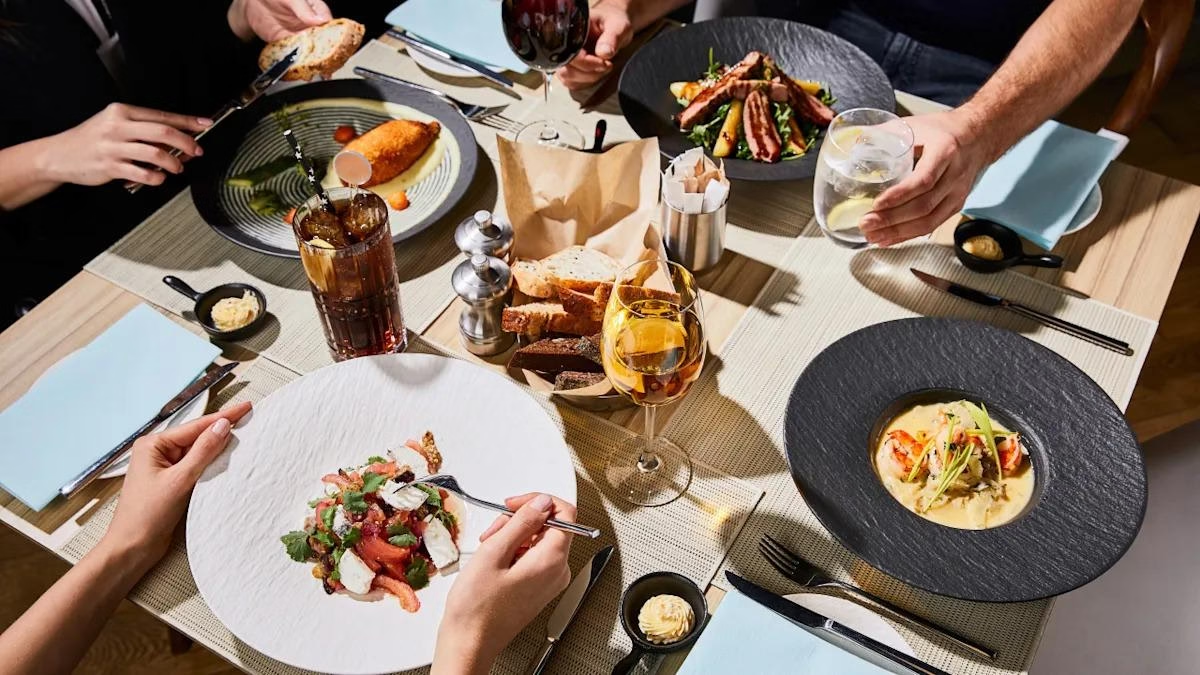
Gourmet experiences are evolving beyond luxury dining and becoming an important part of how Americans travel, socialize, and spend their leisure time. From regional food tourism to chef-led experiences and culinary education, consumers increasingly value authenticity, local culture, and memorable meals. This shift is reshaping travel decisions, influencing lifestyle habits, and creating new opportunities across hospitality, tourism, and food industries.
Introduction
For many years, dining was often viewed as a supporting element of travel. Tourists visited landmarks, beaches, museums, or national parks, and restaurants simply complemented the experience. Today, that relationship has changed dramatically. Increasingly, travelers are choosing destinations because of their culinary offerings rather than treating food as an afterthought.
Across the United States, consumers are demonstrating a growing interest in gourmet experiences that combine exceptional food with culture, storytelling, education, and personal connection. Whether it involves exploring regional barbecue traditions in Texas, participating in vineyard tastings in California, attending chef-led dinners in New York, or discovering seafood traditions in Maine, culinary exploration has become a central lifestyle activity.
This shift reflects broader changes in consumer behavior. Americans are placing greater value on experiences over possessions, seeking authentic cultural engagement, and looking for opportunities to create meaningful memories. Gourmet experiences align closely with these priorities, offering both enjoyment and enrichment.
According to industry research from organizations such as the World Food Travel Association and tourism industry reports, food-related travel continues to represent a significant and growing portion of tourism spending. Culinary activities now rank among the most influential factors affecting destination selection for many travelers.
As a result, gourmet experiences are becoming one of the defining lifestyle trends of the modern era.
Why Gourmet Experiences Are Attracting More Attention
Several cultural and economic factors are contributing to the growing appeal of culinary exploration.
First, consumers increasingly prioritize experiences that feel personal and memorable. A thoughtfully prepared meal in a locally owned restaurant often creates a stronger emotional connection than a traditional tourist attraction.
Second, food serves as a gateway to understanding local culture. Regional ingredients, cooking methods, and dining traditions tell stories about communities, history, and geography in ways that many travelers find compelling.
Third, social media has expanded awareness of culinary destinations. High-quality photography, chef interviews, restaurant reviews, and food-focused travel content expose consumers to experiences they may not have previously considered.
The result is a growing perception that food is not simply something travelers consume during a trip—it is often a primary reason for taking the trip itself.
The Rise of Food Tourism Across America
Food tourism has become one of the fastest-growing segments within the broader travel industry.
Travelers are increasingly planning itineraries around culinary experiences such as:
- Regional food trails
- Farm-to-table dining
- Winery and brewery tours
- Cooking classes
- Chef’s tasting menus
- Food festivals
- Local market tours
- Cultural food experiences
Cities such as New York City, Chicago, New Orleans, Charleston, and Nashville have built strong reputations as food-focused destinations.
However, the trend extends well beyond major metropolitan areas. Smaller communities are increasingly attracting visitors through distinctive regional specialties, agricultural experiences, and local food traditions.
For example, travelers may visit Vermont for artisanal cheese production, coastal Maine for lobster harvesting experiences, or the Pacific Northwest for farm-driven seasonal cuisine.
These experiences provide a sense of place that many consumers find difficult to replicate elsewhere.
How Gourmet Dining Has Evolved Beyond Fine Dining
Historically, gourmet dining was often associated with formal restaurants, luxury settings, and expensive tasting menus.
Today, the definition has expanded considerably.
Consumers increasingly view gourmet experiences through the lens of quality, authenticity, and craftsmanship rather than exclusivity.
A gourmet experience might include:
- A chef preparing seasonal ingredients sourced from local farms
- A family-owned restaurant preserving regional recipes
- A seafood dock-to-table experience
- A specialty coffee roasting workshop
- An artisanal bakery tour
- A guided food market experience
This broader definition has made culinary exploration more accessible to a wider audience.
Rather than focusing solely on luxury, many consumers now seek meaningful connections with producers, chefs, and local communities.
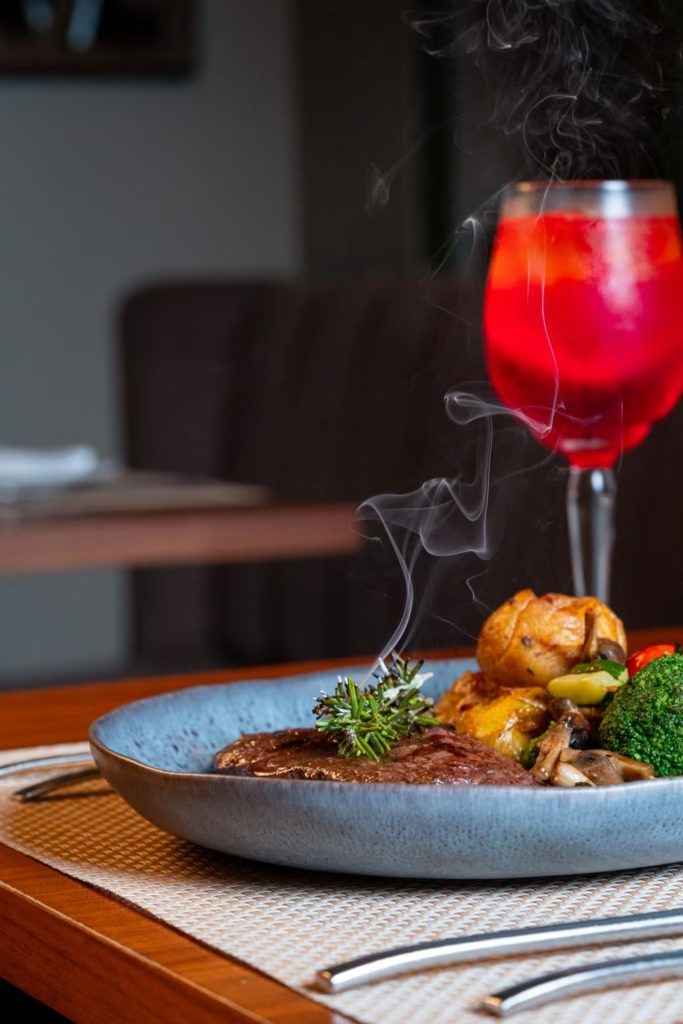
The Influence of Authenticity on Consumer Preferences
One of the strongest themes shaping modern gourmet experiences is authenticity.
Consumers increasingly ask questions such as:
- Where was this ingredient produced?
- Who prepared this meal?
- What cultural traditions inspired this recipe?
- How does this food reflect local history?
Restaurants and hospitality businesses have responded by emphasizing transparency, sourcing practices, and storytelling.
Menus frequently highlight:
- Local farms
- Seasonal ingredients
- Sustainable sourcing
- Heritage cooking methods
- Regional culinary traditions
This emphasis helps create a richer dining experience while satisfying consumer demand for deeper engagement.
Authenticity often becomes a key differentiator in an increasingly competitive hospitality environment.
Culinary Education as Entertainment
Another notable trend is the growing popularity of educational food experiences.
Consumers increasingly want to learn while they dine.
Cooking classes, wine tastings, chef demonstrations, and guided culinary tours allow participants to develop new skills and gain insight into food production.
For example, a traveler visiting California’s wine regions may participate in vineyard tours that explain grape cultivation, climate impacts, and winemaking techniques. Similarly, visitors to Southern barbecue destinations may learn about smoking methods, wood selection, and regional cooking traditions.
These educational elements transform meals into immersive experiences.
They also provide lasting value that extends beyond the dining table.
How Technology Is Supporting Culinary Exploration
Technology has played a major role in expanding access to gourmet experiences.
Consumers can now research destinations, compare restaurants, reserve experiences, and read detailed reviews before making travel decisions.
Digital platforms have also increased visibility for independent restaurants, specialty producers, and culinary entrepreneurs.
Popular tools include:
- Reservation platforms
- Food review websites
- Travel planning applications
- Chef-focused content channels
- Food tourism guides
- Culinary event marketplaces
Technology enables consumers to discover niche experiences that may have been difficult to find in previous decades.
As a result, culinary exploration has become more accessible and personalized.
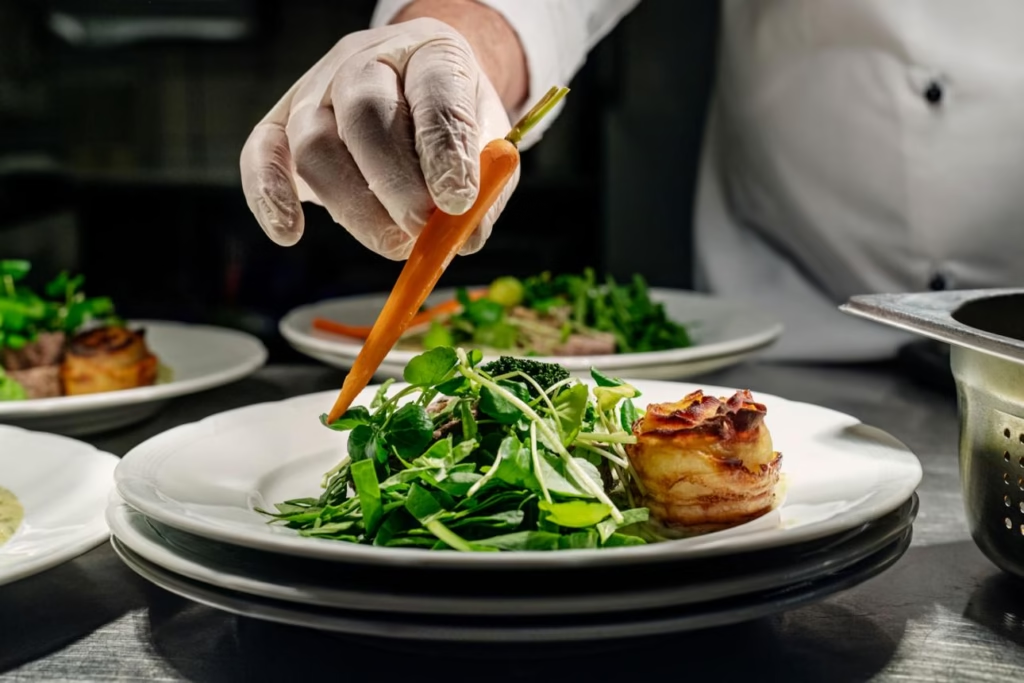
The Growing Connection Between Wellness and Gourmet Experiences
Many consumers no longer view indulgence and wellness as mutually exclusive.
Instead, they increasingly seek culinary experiences that combine flavor, quality, and nutritional value.
This trend has contributed to the popularity of:
- Farm-to-table dining
- Plant-forward menus
- Sustainable seafood
- Organic ingredients
- Seasonal cooking
- Functional foods
Restaurants and food destinations that emphasize freshness and ingredient quality often appeal to health-conscious consumers seeking balanced lifestyle choices.
For many travelers, enjoying exceptional food is now part of a broader wellness strategy focused on enjoyment, moderation, and quality.
Economic Impact on Local Communities
The popularity of gourmet experiences generates significant economic benefits.
Food tourism creates opportunities for:
- Restaurants
- Farms
- Fisheries
- Food producers
- Tour operators
- Hospitality businesses
- Transportation providers
- Event organizers
When visitors spend money on local culinary experiences, economic benefits often spread throughout the community.
This multiplier effect can support job creation, encourage entrepreneurship, and strengthen regional tourism industries.
Many cities and states now actively promote culinary tourism as part of their economic development strategies.
The approach helps differentiate destinations while supporting local businesses.
What Travelers Are Looking for Today
Consumer expectations continue to evolve.
Many travelers now prioritize experiences that offer:
- Authentic local culture
- High-quality ingredients
- Unique storytelling
- Personal interaction
- Educational value
- Sustainability
- Regional identity
- Memorable social experiences
Rather than pursuing luxury alone, consumers increasingly seek experiences that feel meaningful and distinctive.
This shift is influencing how destinations market themselves and how hospitality providers design customer experiences.
Frequently Asked Questions
1. What qualifies as a gourmet experience?
A gourmet experience typically involves exceptional food quality, skilled preparation, unique ingredients, cultural significance, or educational value that goes beyond an ordinary dining experience.
2. Why is food tourism becoming more popular?
Consumers increasingly value experiences, authenticity, and cultural exploration. Food provides a direct way to engage with local traditions and communities.
3. Are gourmet experiences only for luxury travelers?
No. Gourmet experiences now span a wide range of price points, including local markets, food tours, cooking classes, and neighborhood restaurants.
4. How do gourmet experiences influence travel decisions?
Many travelers now choose destinations based on culinary offerings, local specialties, and unique food-related activities.
5. What are some examples of food tourism?
Examples include wine tours, regional food festivals, farm visits, seafood excursions, chef-led dining events, and culinary walking tours.
6. How does sustainability affect gourmet dining?
Many consumers prefer restaurants that emphasize local sourcing, seasonal ingredients, responsible farming, and environmentally conscious practices.
7. What role does social media play in culinary exploration?
Social media increases awareness of destinations, restaurants, chefs, and food trends while helping travelers discover new experiences.
8. Why are cooking classes becoming popular travel activities?
They provide hands-on learning opportunities and allow travelers to take practical skills and cultural knowledge home with them.
9. Can gourmet experiences support local economies?
Yes. Culinary tourism generates revenue for restaurants, producers, hospitality businesses, and many other sectors within local communities.
10. What trends are likely to shape gourmet experiences in the future?
Authenticity, sustainability, wellness, personalized dining, local sourcing, and educational experiences are expected to remain influential.
Discovering Places Through Flavor
The growing appeal of gourmet experiences reflects a broader shift in how Americans define leisure, travel, and personal enrichment. Food has become more than a necessity or occasional indulgence. It has evolved into a meaningful way to explore culture, connect with communities, learn new skills, and create lasting memories.
As travelers continue to prioritize experiences over possessions, culinary exploration is likely to remain a powerful force shaping tourism, hospitality, and lifestyle choices. The destinations and businesses that succeed will be those that combine exceptional food with authenticity, education, and a genuine sense of place.
Key Insights From Today’s Culinary Travel Movement
- Food is increasingly becoming a primary travel motivation.
- Consumers value authentic, locally connected dining experiences.
- Gourmet experiences now extend beyond traditional fine dining.
- Culinary tourism benefits both travelers and local economies.
- Educational experiences add value to food-focused travel.
- Wellness and gourmet dining increasingly overlap.
- Technology helps consumers discover specialized experiences.
- Storytelling and transparency influence dining decisions.
- Regional identity remains a major attraction.
- Culinary exploration supports memorable and meaningful travel.





Leave a Reply