

America’s islands occupy a unique place in the nation’s culture, economy, and travel landscape. From coastal retreats and wildlife sanctuaries to thriving communities and tourism hubs, islands continue to influence where people vacation, invest, relocate, and build businesses. Their appeal extends beyond scenery, shaping local economies, environmental policies, housing trends, and lifestyle preferences across the United States.
Introduction
Few geographic features capture the American imagination quite like islands. Whether it is the tropical appeal of Hawaii, the historic charm of Nantucket, the outdoor recreation opportunities of the San Juan Islands, or the coastal culture of the Florida Keys, islands represent something distinct from mainland life.
For travelers, islands often symbolize escape and discovery. For residents, they can offer strong community ties, access to nature, and a different pace of life. For local businesses and governments, islands are economic engines that generate tourism revenue, support jobs, and create opportunities for entrepreneurship.
Yet the influence of islands extends far beyond tourism brochures. Across the United States, islands are shaping economic development, real estate trends, environmental planning, and even the future of sustainable travel. Understanding the “Island Effect” reveals why these destinations continue to attract attention from visitors, investors, policymakers, and residents alike.
Why Islands Hold a Unique Place in American Travel
Americans have long been drawn to destinations that provide both physical separation and emotional distance from daily routines. Islands naturally offer both.
Unlike mainland destinations, islands create a sense of arrival. Travelers often reach them by ferry, bridge, or aircraft, creating a psychological transition that contributes to their appeal.
This phenomenon can be seen across numerous destinations:
- The Florida Keys attract visitors seeking ocean recreation and coastal culture.
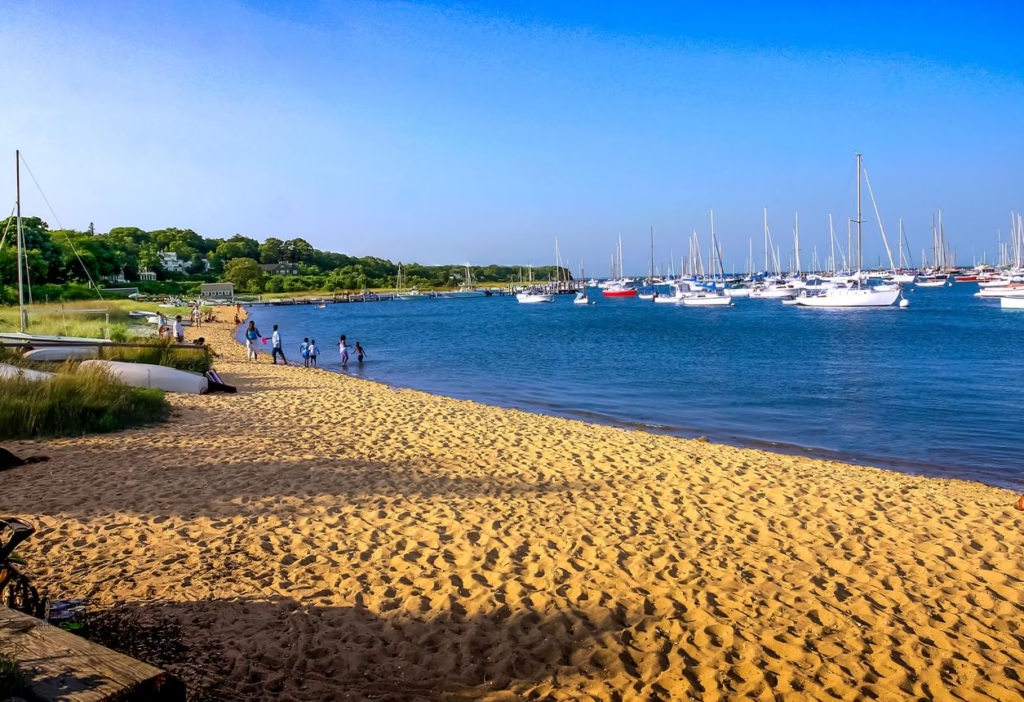
- Martha’s Vineyard draws travelers interested in New England traditions and scenic landscapes.
- Hawaii remains one of America’s most recognizable island destinations.
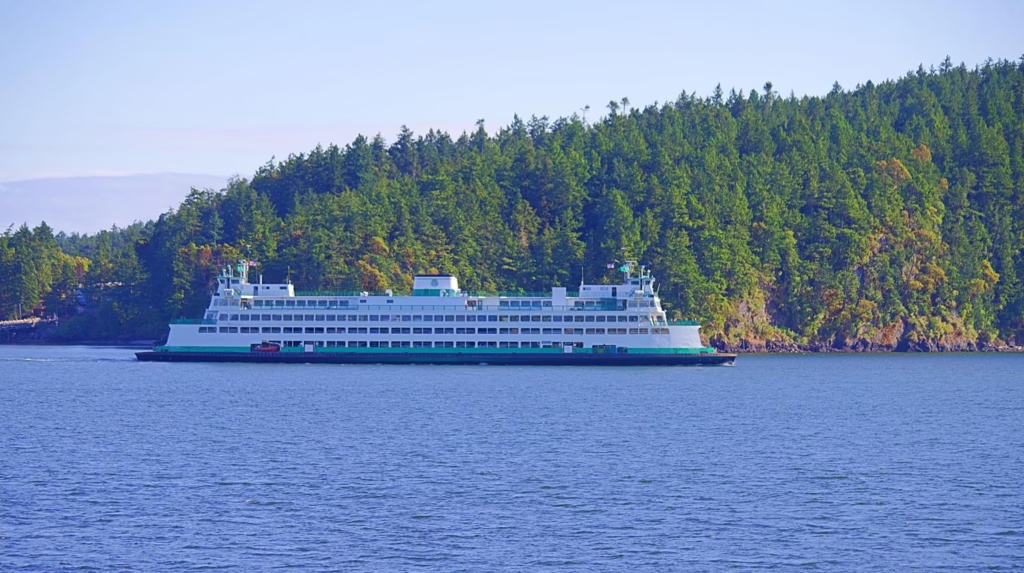
- The San Juan Islands appeal to outdoor enthusiasts looking for wildlife viewing and boating experiences.
Research from the U.S. Travel Association consistently shows that travelers increasingly value experiences, natural environments, and authentic local culture. Islands often combine all three.
The result is a travel market where islands frequently outperform expectations despite economic fluctuations and changing consumer preferences.
The Economic Power of Island Tourism
Tourism serves as the foundation of many island economies.
Hotels, restaurants, transportation services, tour operators, retail shops, and recreational businesses all benefit from visitor spending. The economic impact often extends well beyond tourism-related industries.
For example, a visitor booking a hotel room may also:
- Dine at local restaurants
- Purchase goods from local retailers
- Hire transportation services
- Participate in guided tours
- Visit cultural attractions
- Support local artists and craftspeople
This multiplier effect helps sustain employment and creates opportunities for small businesses.
In Hawaii, tourism contributes billions of dollars annually to the state economy and supports a substantial share of jobs. Similar patterns can be observed in island communities throughout New England, Alaska, Florida, Washington State, and coastal regions across the country.
Island destinations often become economic ecosystems where local enterprises depend on maintaining a strong visitor experience.
How Islands Influence Lifestyle Trends
The appeal of island living extends beyond vacations.
Remote work, flexible employment arrangements, and changing lifestyle priorities have encouraged more Americans to explore living in island communities either full-time or seasonally.
Many residents cite benefits such as:
- Greater connection to nature
- Stronger community relationships
- Reduced urban congestion
- Outdoor recreational opportunities
- Distinct local culture
The rise of remote work has been particularly significant. Professionals who once needed to live near major metropolitan centers can now work from locations that offer higher quality-of-life benefits.
Communities in areas such as the Florida Keys, Bainbridge Island, Martha’s Vineyard, and parts of Hawaii have seen growing interest from individuals seeking alternatives to traditional urban environments.
This trend has contributed to changing housing markets and increased demand for island real estate.
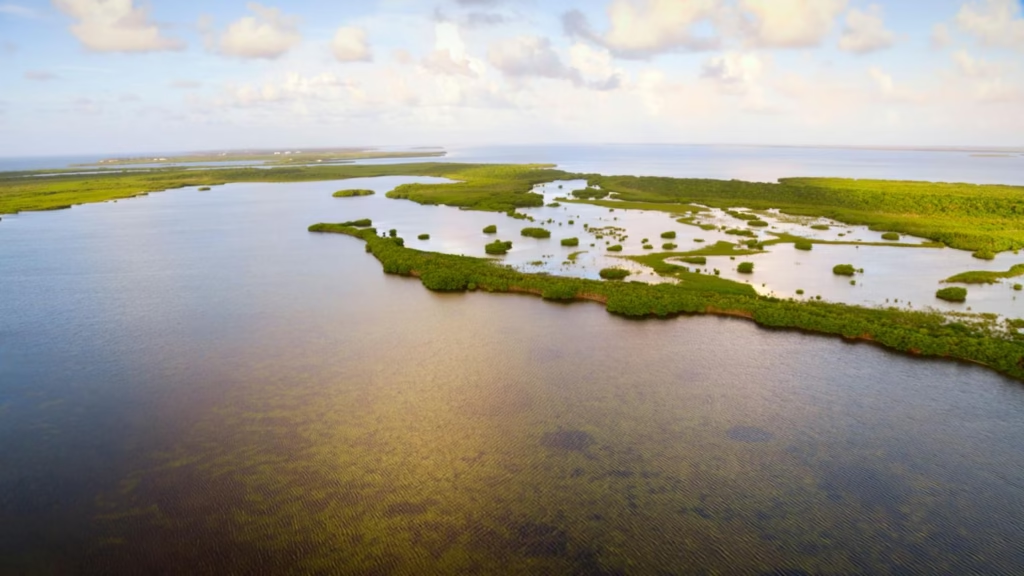
The Relationship Between Islands and Real Estate Markets
Island real estate has historically attracted buyers seeking vacation homes, retirement properties, or unique lifestyle opportunities.
Limited land availability often creates supply constraints that distinguish island housing markets from mainland markets.
Several factors influence island property values:
- Scarcity of developable land
- Tourism demand
- Waterfront access
- Environmental protections
- Infrastructure limitations
- Seasonal population patterns
For example, communities such as Nantucket and Martha’s Vineyard have experienced significant long-term appreciation partly because available land remains limited.
At the same time, rising demand can create affordability challenges for local residents.
Many island communities now face important questions regarding workforce housing, sustainable growth, and balancing tourism-driven investment with local needs.
These issues are becoming central components of economic planning discussions across island regions nationwide.
Environmental Stewardship and the Island Advantage
Islands often serve as frontline examples of environmental management.
Because resources are geographically concentrated, the effects of environmental decisions can become more visible and immediate.
Many island communities have become leaders in:
- Coastal conservation
- Wildlife protection
- Renewable energy adoption
- Sustainable tourism practices
- Marine ecosystem management
The Florida Keys provide a notable example through efforts to protect coral reefs and marine habitats. Similarly, island communities in Washington State have implemented conservation initiatives designed to preserve sensitive ecosystems while supporting tourism and economic activity.
Visitors increasingly value destinations that demonstrate responsible environmental practices.
As sustainability becomes a larger factor in travel decisions, islands that successfully balance economic growth and conservation may gain competitive advantages.
The Cultural Influence of America’s Islands
Beyond economics and tourism, islands contribute significantly to America’s cultural identity.
Many islands preserve traditions, histories, and lifestyles that differ from surrounding mainland regions.
Examples include:
- Indigenous Hawaiian cultural heritage
- Maritime traditions in New England
- Fishing communities along the Gulf Coast
- Scandinavian influences in portions of the Pacific Northwest
- Caribbean cultural influences in South Florida
These cultural distinctions enrich visitor experiences while helping communities maintain unique identities.
Museums, festivals, culinary traditions, and local arts often become major attractions in their own right.
Travelers increasingly seek destinations that provide authentic cultural experiences, making preservation efforts economically valuable as well as historically important.
Why Small Businesses Thrive on Islands
Entrepreneurship plays a vital role in many island economies.
Unlike large metropolitan areas dominated by national chains, islands frequently support locally owned businesses that contribute to community character.
Successful island businesses often include:
- Independent restaurants
- Outdoor recreation providers
- Boutique accommodations
- Specialty retailers
- Local food producers
- Marine service companies
Visitors often prefer supporting local businesses because they offer experiences that cannot easily be replicated elsewhere.
For example, a family-owned seafood restaurant sourcing ingredients locally provides both economic benefits and cultural authenticity.
This connection between local business success and destination identity creates a powerful economic cycle that supports long-term growth.
Infrastructure Challenges Behind the Island Lifestyle
Despite their appeal, island communities face unique logistical challenges.
Transportation, utility systems, healthcare access, and housing affordability require careful planning.
Some common concerns include:
- Limited transportation routes
- Higher shipping costs
- Seasonal population surges
- Infrastructure maintenance expenses
- Emergency preparedness requirements
These challenges can influence everything from grocery prices to construction costs.
Communities that successfully address infrastructure needs often become more resilient and attractive to both residents and visitors.
As populations grow and tourism evolves, investment in infrastructure remains a critical factor in maintaining island quality of life.
What the Future Holds for America’s Islands
Several emerging trends are likely to influence island communities over the coming decade.
Remote work continues to expand location flexibility for many professionals.
Travelers increasingly prioritize experiences, sustainability, and authentic local culture.
Environmental resilience has become a growing priority for coastal communities.
Technological improvements are making it easier for businesses and residents to remain connected while living in more remote locations.
As a result, islands may continue attracting:
- Remote workers
- Entrepreneurs
- Retirees
- Sustainable tourism operators
- Experience-focused travelers
The communities that successfully balance growth, preservation, and infrastructure development will likely remain among America’s most desirable destinations.
Frequently Asked Questions
1. Why are islands such popular travel destinations in the United States?
Islands provide natural beauty, unique cultural experiences, outdoor recreation opportunities, and a sense of separation from everyday routines that many travelers find appealing.
2. Which U.S. islands attract the most visitors?
Hawaii, the Florida Keys, Martha’s Vineyard, Nantucket, and various coastal island destinations consistently rank among the most visited.
3. How do islands support local economies?
Tourism spending supports hotels, restaurants, transportation providers, retailers, recreational businesses, and numerous supporting industries.
4. Is island real estate generally more expensive?
Limited land availability and strong demand often contribute to higher property values compared with many mainland markets.
5. Are islands good places for remote workers?
Many islands have become attractive to remote workers due to lifestyle benefits, natural surroundings, and growing digital infrastructure.
6. What environmental challenges do island communities face?
Common challenges include coastal erosion, storm impacts, habitat preservation, resource management, and climate-related risks.
7. Why are local businesses important on islands?
Locally owned businesses help preserve community character, create jobs, and provide authentic experiences for visitors.
8. Do islands contribute to cultural preservation?
Yes. Many island communities maintain unique traditions, histories, languages, cuisines, and artistic practices that enrich American culture.
9. How does tourism affect island housing markets?
Strong tourism demand can increase property values and create affordability challenges for local residents.
10. What trends will shape island communities in the future?
Remote work, sustainable tourism, environmental resilience, and infrastructure investment are expected to play significant roles.
Where the Island Legacy Continues
The enduring appeal of America’s islands is rooted in more than scenic coastlines and vacation experiences. Islands serve as living examples of how geography can influence culture, economics, community development, and lifestyle choices. Their ability to attract visitors, support local businesses, preserve traditions, and inspire environmental stewardship ensures they remain important contributors to the American story. As travel preferences evolve and communities adapt to changing economic realities, the influence of America’s islands is likely to remain both significant and enduring.
Key Insights From America’s Island Communities
- Islands combine travel appeal, economic value, and cultural significance.
- Tourism remains a major economic driver across many island regions.
- Remote work is increasing interest in island living.
- Limited land availability often shapes housing markets.
- Environmental stewardship is central to long-term sustainability.
- Local businesses contribute significantly to community identity.
- Infrastructure investment remains critical for future growth.
- Cultural preservation enhances both tourism and community resilience.
- Sustainable travel trends may benefit island destinations.
- Islands continue to influence broader lifestyle and economic patterns.





Leave a Reply