

Luxury travel is undergoing a significant transformation. While premium accommodations and high-end amenities remain important, many travelers now place greater value on personalized experiences, exclusive access, cultural immersion, and customized service. This shift reflects broader changes in consumer expectations, technology, and travel behavior. Understanding these trends helps travelers make more meaningful choices and helps hospitality brands remain competitive.
Introduction
For decades, luxury travel was defined by recognizable symbols: five-star hotels, marble lobbies, private chauffeurs, premium airline cabins, and lavish resort amenities. These features represented status, exclusivity, and comfort, becoming the standard by which luxury experiences were measured.
Today, however, the meaning of luxury is evolving. Affluent travelers increasingly prioritize experiences tailored to their individual interests, preferences, and lifestyles. Rather than focusing solely on physical amenities, travelers are seeking authentic moments, personalized service, meaningful cultural connections, and unique opportunities unavailable to the average visitor.
This transformation is influencing every segment of the travel industry, from luxury hotels and cruise lines to tour operators and destination management companies. Understanding why personalization is becoming more valuable than traditional luxury amenities offers important insights into the future of travel and consumer behavior.
How Luxury Travel Has Changed Over the Last Decade
Luxury travel has never been static. As consumer expectations evolve, so does the industry’s definition of premium experiences.
In previous decades, luxury largely centered on material comfort. Spacious suites, fine dining restaurants, concierge services, and luxury transportation were considered the ultimate indicators of a high-end travel experience. Travelers often selected destinations based on famous hotels or prestigious brands.
While these features remain important, many affluent travelers now view them as baseline expectations rather than distinguishing factors.
Research from major travel organizations, including the World Travel & Tourism Council and various luxury travel studies, suggests that modern travelers increasingly prioritize experiences that create lasting memories over possessions or visible status symbols.
Instead of asking, “How luxurious is the hotel?” travelers are asking:
- What unique experiences can I access?
- Can this trip be customized around my interests?
- Will I gain authentic local insights?
- Does this experience reflect my personal values?
- Can I avoid crowded tourist environments?
These changing priorities are redefining what luxury means in practical terms.
Why Personalization Has Become the New Luxury Currency
Personalization creates a sense of exclusivity that traditional amenities often cannot replicate.
Many luxury hotels offer similar room quality, spa facilities, and dining experiences. However, personalized service makes guests feel understood and valued on an individual level.
A traveler celebrating an anniversary may appreciate a customized itinerary designed around personal interests more than an expensive welcome gift. Likewise, a family may remember a private wildlife experience tailored to their children far longer than a luxury hotel suite.
Personalization creates emotional value because it demonstrates attention, understanding, and effort.
Examples include:
- Private culinary experiences based on dietary preferences
- Customized wellness retreats
- Individually curated city tours
- Personalized adventure itineraries
- Special access to cultural events or local experts
- Flexible travel schedules built around guest priorities
These experiences are difficult to replicate and often become the most memorable aspects of a trip.
The Rise of Experiential Luxury
Experiential luxury focuses on creating meaningful moments rather than showcasing material wealth.
This trend is particularly visible among younger affluent travelers, including Millennials and Generation Z consumers. Many of these travelers place greater value on experiences they can remember and share rather than simply consuming luxury products.
Experiential luxury can take many forms:
Cultural Immersion
Travelers increasingly seek opportunities to engage with local communities, traditions, and heritage.
Examples include:
- Learning regional cooking techniques from local chefs
- Participating in traditional artisan workshops
- Visiting historic sites with expert guides
- Attending local cultural celebrations
These experiences provide deeper understanding and personal enrichment.
Exclusive Access
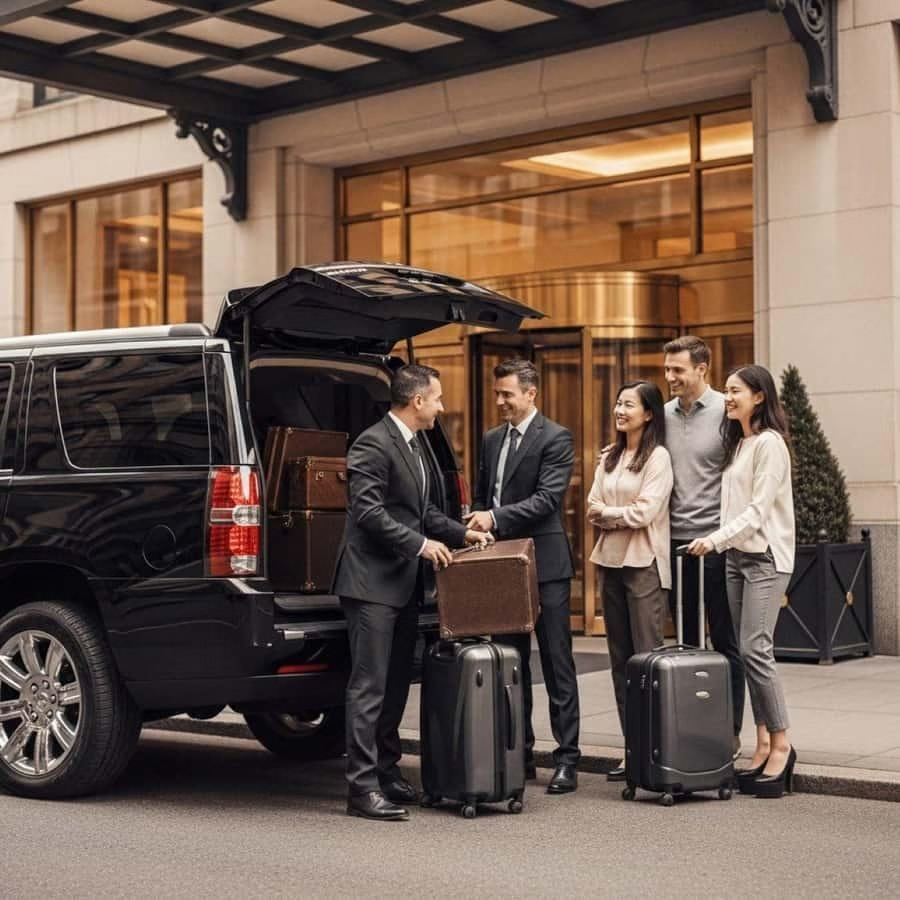
Luxury travelers increasingly value opportunities unavailable to the general public.
Examples may include:
- Private museum tours
- Behind-the-scenes cultural experiences
- Exclusive wildlife encounters
- Access to private estates and properties
- Invitations to limited-capacity events
The appeal comes from rarity and uniqueness rather than extravagance alone.
Meaningful Adventure
Adventure travel has become an important segment of luxury tourism.
Many travelers now combine comfort with exploration through experiences such as:
- Guided wilderness expeditions
- Luxury safari journeys
- Remote island experiences
- Private yacht exploration
- Customized hiking and trekking programs
These trips offer personal achievement alongside comfort and convenience.
Technology Is Making Personalization More Powerful
Technology is helping travel providers deliver increasingly customized experiences.
Luxury hotels, airlines, and travel advisors now use sophisticated systems to understand guest preferences and anticipate needs before arrival.
For example, a returning guest may find that:
- Preferred room settings are already configured
- Favorite beverages are available upon arrival
- Dining recommendations align with previous choices
- Activities match personal interests
- Transportation arrangements are pre-planned
Artificial intelligence, customer relationship management systems, and advanced guest profiling are enabling service providers to offer highly individualized experiences at scale.
Importantly, travelers generally appreciate personalization when it enhances convenience without compromising privacy.
The most successful brands use technology to create seamless experiences rather than intrusive ones.
Why Authenticity Matters More Than Opulence
Another major shift in luxury travel involves the growing importance of authenticity.
Travelers increasingly seek genuine experiences that reflect the character of a destination rather than standardized luxury environments.
Many travelers report greater satisfaction from:
- Staying in a thoughtfully restored historic property
- Exploring lesser-known neighborhoods with local experts
- Dining in respected local establishments
- Learning directly from residents and cultural leaders
These experiences often provide a stronger sense of place than conventional luxury offerings.
Authenticity helps travelers feel connected to destinations in ways that generic luxury environments may not achieve.
As a result, boutique hotels, private villas, and locally inspired accommodations are gaining popularity alongside traditional luxury brands.
The Influence of Wellness and Personal Well-Being
Wellness has become one of the most influential forces shaping luxury travel.
Modern travelers increasingly view travel as an opportunity to improve physical, mental, and emotional well-being.
Luxury wellness experiences now extend far beyond traditional spa services.
Popular offerings include:
- Personalized fitness programs
- Sleep optimization retreats
- Nutrition-focused travel experiences
- Stress management workshops
- Meditation and mindfulness programs
- Holistic health consultations
These services align with broader lifestyle priorities and reinforce the growing demand for customized experiences.
Travelers often view wellness-focused personalization as more valuable than material luxury because the benefits can extend long after the trip ends.
Sustainability Is Reshaping Luxury Expectations
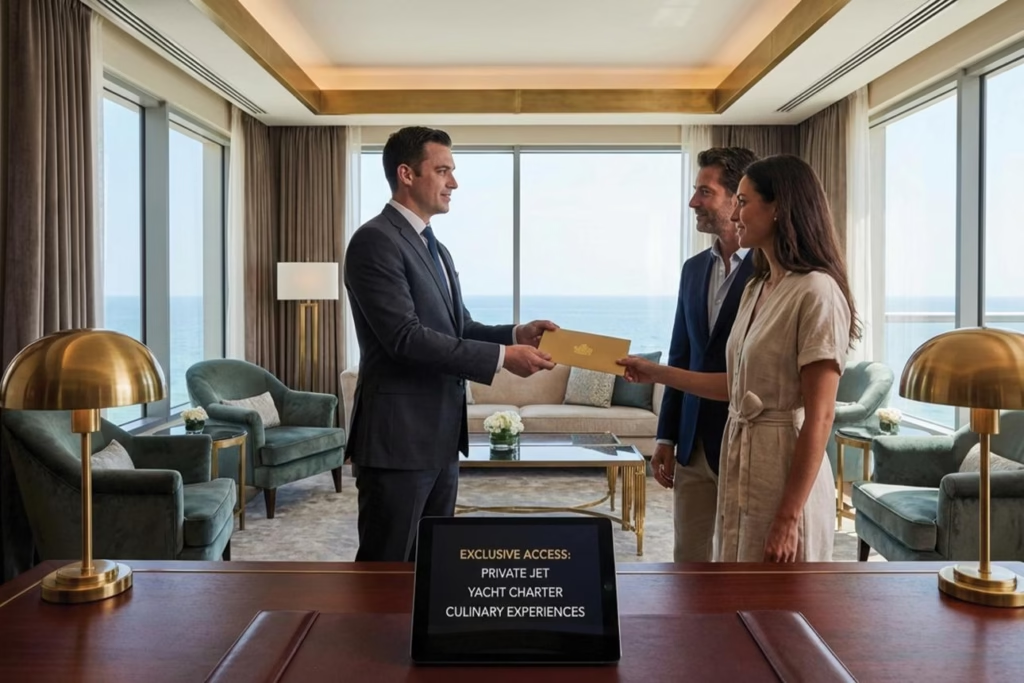
Affluent travelers are also becoming more conscious of sustainability and responsible tourism.
Many luxury consumers now consider environmental and social impact when evaluating travel options.
This shift has encouraged travel providers to invest in:
- Conservation initiatives
- Community partnerships
- Responsible sourcing programs
- Sustainable architecture
- Reduced environmental footprints
Increasingly, travelers want luxury experiences that align with their personal values.
A personalized journey that supports local communities and environmental preservation may hold greater appeal than a traditional luxury experience that lacks meaningful impact.
This trend reflects a broader evolution in how consumers define value.
What Travelers Are Actually Willing to Pay More For
The changing definition of luxury is influencing spending patterns.
Many affluent travelers remain willing to invest significantly in travel, but they are becoming more selective about where their money goes.
Areas receiving increased spending attention include:
- Private guides and local experts
- Customized itineraries
- Small-group experiences
- Exclusive destination access
- Wellness programs
- Unique accommodations
- Personalized concierge services
By contrast, some traditional luxury features generate less excitement because they are increasingly expected rather than exceptional.
Travelers often remember extraordinary experiences long after they forget room dimensions or lobby décor.
How Luxury Travel Providers Are Responding
The hospitality industry is rapidly adapting to these evolving preferences.
Leading luxury brands are investing heavily in personalization strategies that focus on guest individuality.
Common approaches include:
- Pre-arrival preference consultations
- Customized itineraries
- Dedicated travel designers
- Hyper-personalized guest services
- Flexible experience packages
- Local partnerships that create exclusive opportunities
Many luxury hotels now emphasize storytelling, local engagement, and experiential programming as much as physical amenities.
This reflects a growing recognition that emotional connection drives customer satisfaction and loyalty.
Frequently Asked Questions
1. What is personalized luxury travel?
Personalized luxury travel involves tailoring experiences, accommodations, activities, and services to an individual’s interests, preferences, and goals rather than offering standardized luxury packages.
2. Why are travelers prioritizing experiences over amenities?
Many travelers find that unique experiences create stronger memories and greater personal fulfillment than traditional luxury features alone.
3. Are five-star hotels still important in luxury travel?
Yes. High-quality accommodations remain important, but many travelers now view them as one component of a broader experience rather than the primary indicator of luxury.
4. What are examples of personalized travel experiences?
Examples include private cultural tours, customized wellness retreats, exclusive culinary experiences, personalized adventure itineraries, and private access opportunities.
5. How is technology improving luxury travel?
Technology helps providers understand traveler preferences, anticipate needs, simplify logistics, and deliver more customized experiences.
6. Is experiential luxury more expensive?
Not necessarily. Some highly personalized experiences may cost more, but value is increasingly determined by uniqueness and relevance rather than price alone.
7. Why is authenticity important in luxury travel?
Authenticity helps travelers connect with destinations on a deeper level and often creates more meaningful memories.
8. How does sustainability fit into luxury travel?
Many luxury travelers now seek experiences that support environmental responsibility and local communities while maintaining high service standards.
9. Which generations are driving this trend?
Millennials and Generation Z travelers have significantly influenced the shift toward experiential and personalized travel, though interest spans multiple age groups.
10. What does the future of luxury travel look like?
The future is likely to emphasize personalization, wellness, sustainability, cultural immersion, and exclusive access while maintaining high standards of comfort and service.
Where Luxury Creates the Strongest Memories
The evolution of luxury travel reflects a broader shift in consumer values. Travelers increasingly seek experiences that feel personal, meaningful, authentic, and aligned with their individual interests. While premium accommodations and exceptional service remain important, they are no longer sufficient on their own to define luxury.
The travel experiences most likely to stand out in the years ahead will be those that combine comfort with personalization, convenience with authenticity, and exclusivity with genuine human connection. For both travelers and travel providers, understanding this shift is essential for creating journeys that deliver lasting value rather than temporary impressions.
Key Signals Defining Modern Luxury Travel
- Personalization is becoming a primary indicator of luxury.
- Travelers increasingly value experiences over material displays.
- Authentic local engagement is growing in importance.
- Wellness travel continues to expand across demographics.
- Sustainable travel practices influence purchasing decisions.
- Technology is enhancing customized guest experiences.
- Exclusive access often carries greater value than visible luxury.
- Boutique and locally inspired properties are gaining popularity.
- Emotional connection drives satisfaction and loyalty.
- Future luxury travel will focus on relevance rather than excess.




Leave a Reply