
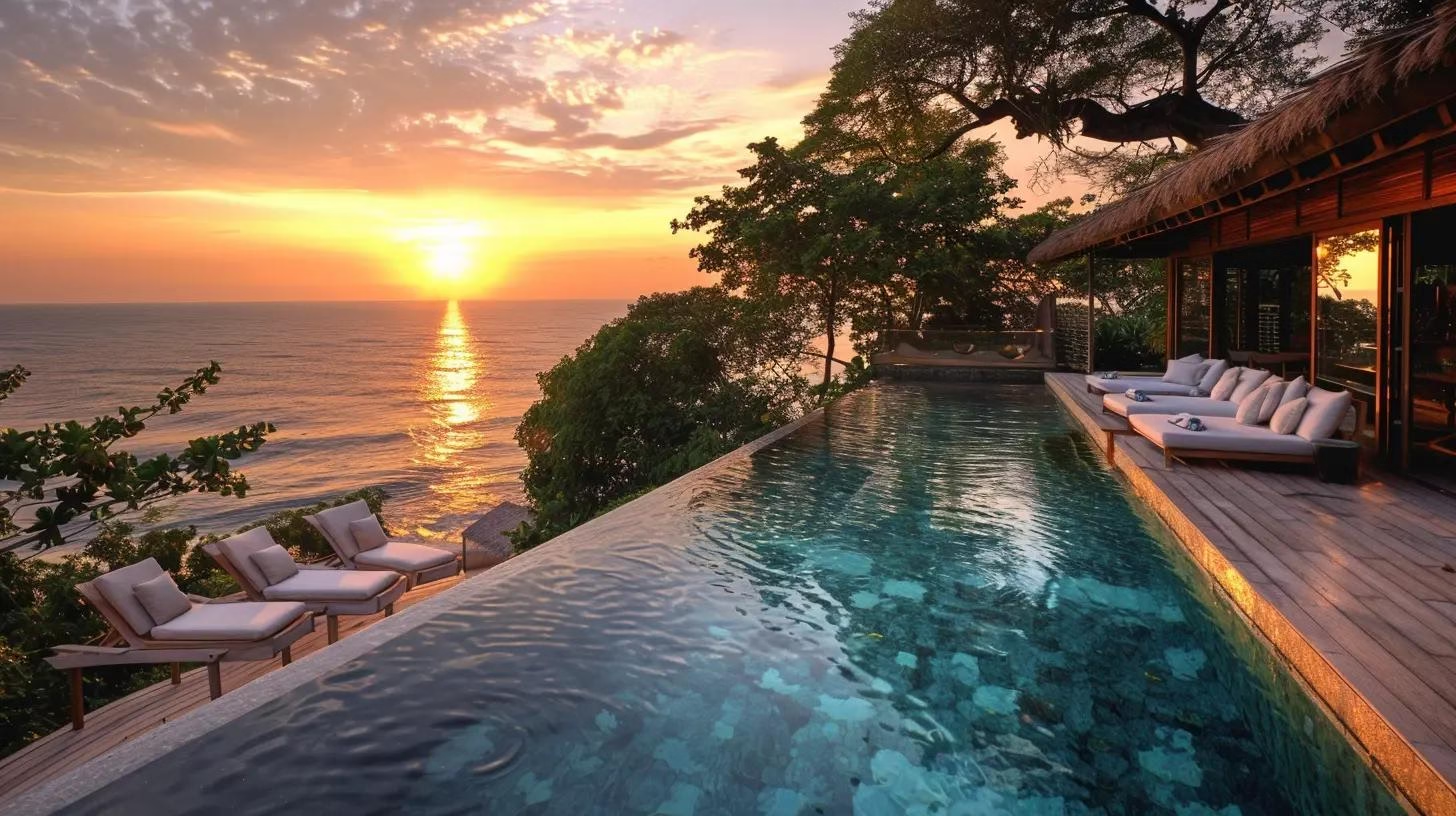
Luxury travel is no longer defined primarily by five-star hotels, first-class flights, or exclusive amenities. Today’s affluent American travelers increasingly value personalization, authenticity, privacy, and meaningful experiences over traditional status symbols. From custom-designed itineraries and private cultural access to wellness-focused retreats and multigenerational adventures, luxury travel is evolving into a highly individualized experience centered on personal preferences, convenience, and lasting memories.
How Luxury Travel Has Changed in the Modern Era
For decades, luxury travel followed a relatively straightforward formula. Premium accommodations, fine dining, private transportation, and prestigious destinations served as the primary markers of an upscale vacation. While these elements remain important, they are no longer enough to satisfy many high-end travelers.
Today’s luxury traveler often seeks something more personal. Rather than asking whether a hotel has marble bathrooms or Michelin-starred restaurants, travelers increasingly ask whether the experience feels unique, tailored, and meaningful.
This shift reflects broader changes in consumer behavior. Across many industries, personalization has become a defining expectation. Streaming services recommend content based on viewing habits. Retailers curate shopping experiences around individual preferences. Travel has followed the same path.
For affluent Americans, luxury is increasingly measured by how well a journey aligns with personal interests, lifestyle goals, and emotional priorities.
Why Personalization Has Become the New Luxury
One of the most significant developments in luxury travel is the growing emphasis on customization.
Travel advisors, luxury tour operators, and premium hospitality brands are investing heavily in understanding traveler preferences before a trip even begins. Detailed consultations often explore topics such as:
- Preferred travel pace
- Culinary interests
- Wellness priorities
- Family dynamics
- Adventure preferences
- Cultural interests
- Privacy expectations
- Accessibility needs
The result is a travel experience that feels specifically designed for the individual rather than assembled from standard packages.
For example, two families visiting the same destination may have entirely different itineraries. One family may focus on outdoor exploration, wildlife encounters, and private guides, while another prioritizes culinary experiences, art museums, and wellness activities.
The destination becomes only part of the story. The personalized experience becomes the primary product.
The Rise of Experiential Luxury
A growing number of travelers now prioritize experiences that provide access, education, and connection.
Experiential luxury focuses on opportunities that are difficult to replicate rather than simply expensive to purchase.
Examples include:
- Private after-hours museum tours
- Guided wildlife photography expeditions
- Exclusive vineyard experiences with winemakers
- Personalized cooking classes with local chefs
- Cultural immersion programs
- Private yacht expeditions
- Behind-the-scenes access to historic landmarks
These experiences often create stronger memories than traditional luxury amenities because they provide a sense of discovery and personal engagement.
Many luxury travel advisors report that clients frequently remember meaningful interactions with local experts or unique cultural encounters more vividly than hotel suites or luxury transportation.
How Technology Is Enhancing Personalized Travel
Technology is playing a critical role in delivering customized travel experiences.
Artificial intelligence, customer relationship management systems, and advanced traveler profiling tools allow luxury providers to better understand individual preferences.
Hotels increasingly use guest profiles to track details such as:
- Room temperature preferences
- Dietary restrictions
- Favorite beverages
- Pillow selections
- Wellness routines
- Special occasions
This information helps create seamless experiences across multiple visits.
For example, a returning guest may arrive to find preferred snacks already stocked in the suite, restaurant reservations prearranged according to past dining habits, and wellness treatments aligned with previous preferences.
Rather than feeling automated, successful personalization uses technology to make service feel more human and attentive.

Wellness Travel Is Becoming a Luxury Priority
Wellness has become one of the fastest-growing segments of the luxury travel market.
Many affluent travelers now view vacations as opportunities to improve physical health, mental well-being, and overall quality of life.
Modern luxury wellness travel extends far beyond traditional spa treatments.
Popular offerings include:
- Personalized nutrition programs
- Sleep optimization retreats
- Fitness-focused vacations
- Stress management workshops
- Mindfulness experiences
- Longevity-focused health assessments
- Nature immersion programs
- Digital detox retreats
American professionals facing demanding work schedules often seek destinations that provide recovery and renewal rather than nonstop sightseeing.
A luxury trip today may be judged less by how much activity it includes and more by how refreshed travelers feel when they return home.
The Growing Demand for Privacy and Exclusivity
Privacy has become one of the most valuable aspects of modern luxury travel.
Many high-net-worth travelers prefer environments that offer greater control over their experiences and reduced exposure to crowds.
This trend accelerated during the pandemic and continues to influence travel decisions today.
Examples of privacy-focused luxury options include:
- Private villas
- Full-property buyouts
- Private island stays
- Charter yachts
- Private aviation services
- Customized small-group tours
- Exclusive-use wilderness lodges
Privacy is often associated with comfort, flexibility, and security rather than celebrity-style exclusivity.
Families traveling with children, executives seeking relaxation, and multigenerational groups frequently value space and control over highly visible luxury experiences.
Multigenerational Travel Is Reshaping Luxury Planning
One notable trend influencing luxury travel is the rise of multigenerational vacations.
Grandparents, parents, and children are increasingly traveling together, creating unique planning challenges and opportunities.
Successful luxury providers now design experiences that appeal to multiple age groups simultaneously.
Common features include:
- Flexible activity schedules
- Private accommodations with shared gathering spaces
- Educational experiences for children
- Wellness offerings for adults
- Accessibility accommodations for older travelers
- Customized dining options
For example, a luxury resort may organize marine biology programs for children while offering wellness treatments and cultural excursions for adults.
The ability to satisfy diverse needs within one itinerary has become a major differentiator in the luxury market.
Sustainability and Responsible Luxury Travel
Modern luxury travelers increasingly expect sustainability to be incorporated into premium travel experiences.
Research consistently shows growing consumer interest in responsible tourism practices, particularly among younger affluent travelers.
However, luxury travelers generally seek practical sustainability rather than symbolic gestures.
They often look for providers that:
- Support local communities
- Protect natural environments
- Reduce waste
- Source food locally
- Preserve cultural heritage
- Operate responsibly without sacrificing comfort
Luxury travel companies are responding by investing in conservation partnerships, community engagement programs, and environmentally conscious operations.

The goal is no longer simply minimizing impact but creating positive contributions to destinations.
This approach allows travelers to enjoy exceptional experiences while supporting long-term sustainability.
What Destinations Are Benefiting from the Personalization Trend?
Personalized luxury travel is influencing destination popularity.
While iconic destinations remain strong, travelers increasingly seek places that offer flexibility, authenticity, and specialized experiences.
Popular categories include:
Nature-Focused Destinations
National parks, wilderness lodges, mountain retreats, and coastal escapes provide opportunities for customized outdoor experiences.
Cultural Destinations
Cities with rich historical and cultural offerings allow travelers to pursue highly specialized interests through expert guides and private access.
Wellness Destinations
Resorts focused on health optimization, fitness, mindfulness, and recovery continue attracting affluent travelers.
Emerging Luxury Destinations
Less-crowded destinations often appeal to travelers seeking distinctive experiences unavailable in heavily visited tourist hubs.
The focus is shifting from destination prestige toward experiential relevance.
What Role Do Travel Advisors Play in Modern Luxury Travel?
Contrary to predictions that technology would replace travel advisors, personalized luxury travel has increased demand for expert guidance.
Many affluent travelers now rely on advisors to navigate growing complexity and identify experiences unavailable through online booking platforms.
Experienced advisors often provide:
- Personalized trip design
- Destination expertise
- Exclusive partnerships
- VIP access opportunities
- Crisis management support
- Logistical coordination
- Multigenerational planning assistance
In many cases, the advisor functions as a personal travel strategist rather than simply a booking agent.
As personalization becomes more important, human expertise often becomes more valuable rather than less.
How Americans Can Evaluate a Truly Personalized Luxury Experience
Not every luxury product marketed as personalized actually delivers meaningful customization.
Travelers can evaluate potential experiences by asking several important questions:
- How much flexibility exists within the itinerary?
- Are experiences tailored to personal interests?
- Is private access available where appropriate?
- Can accommodations accommodate specific preferences?
- Does the provider gather detailed traveler information beforehand?
- Are local experts involved in the experience?
- Is support available throughout the journey?
- Does the experience prioritize quality over volume?
The answers often reveal whether personalization is genuine or primarily a marketing message.
Frequently Asked Questions
1. What is personalized luxury travel?
Personalized luxury travel refers to travel experiences specifically designed around an individual’s preferences, interests, lifestyle, and goals rather than standardized premium packages.
2. Why is personalization becoming more important than traditional luxury?
Many travelers value unique experiences, convenience, and meaningful memories more than visible status symbols or standardized luxury amenities.
3. Is personalized luxury travel only for ultra-wealthy travelers?
No. While some highly customized experiences are expensive, personalization increasingly appears across a range of premium travel budgets.
4. What types of experiences are most popular in luxury travel today?
Wellness retreats, private cultural access, culinary experiences, adventure expeditions, and multigenerational family trips remain among the most requested options.
5. How do luxury hotels personalize guest experiences?
Hotels often use guest profiles, preference tracking, and pre-arrival consultations to customize accommodations, dining, wellness services, and activities.
6. Are travel advisors still useful for luxury travel?
Yes. Many travelers use advisors to access specialized experiences, exclusive partnerships, and expert destination knowledge.
7. How important is privacy in luxury travel?
Privacy has become a major priority, especially among families, executives, and travelers seeking greater flexibility and comfort.
8. Does sustainability matter to luxury travelers?
Increasingly, yes. Many travelers prefer providers that support environmental conservation and local communities while maintaining high service standards.
9. What is experiential luxury?
Experiential luxury focuses on unique, meaningful, and often exclusive experiences rather than material amenities alone.
10. What may define luxury travel over the next decade?
Greater personalization, wellness integration, sustainability, advanced technology, and customized experiences are likely to continue shaping the future of luxury travel.
Designing Journeys Around People, Not Prestige
The evolution of luxury travel reflects a broader shift in consumer priorities. Affluent American travelers increasingly seek experiences that align with their individual values, interests, and lifestyles rather than simply displaying traditional markers of wealth.
The future of luxury travel appears less focused on extravagance and more focused on relevance. Whether through private cultural access, wellness-focused retreats, multigenerational adventures, or customized itineraries, the most memorable journeys are becoming those that feel intentionally designed for the traveler experiencing them.
Key Insights From the Modern Luxury Travel Landscape
- Personalization has become a defining characteristic of luxury travel.
- Travelers increasingly prioritize experiences over material amenities.
- Wellness-focused travel continues to expand across luxury segments.
- Privacy and flexibility remain major decision-making factors.
- Multigenerational travel is influencing itinerary design.
- Sustainability is becoming an expected component of premium travel.
- Technology supports deeper customization and service delivery.
- Travel advisors continue to play an important role in luxury planning.
- Experiential value increasingly outweighs destination prestige.
- The future of luxury centers on individuality and meaningful engagement.




Leave a Reply