

Luxury cards are no longer defined solely by exclusivity, prestige, or premium travel perks. Today’s affluent consumers increasingly expect personalized experiences, flexible benefits, digital convenience, and meaningful lifestyle value. As spending habits evolve and competition intensifies, luxury card issuers are redesigning their offerings to align with modern priorities, transforming premium cards from status symbols into comprehensive lifestyle tools for travel, entertainment, dining, and financial management.
The Changing Meaning of Luxury in Modern America
For decades, carrying a premium credit card was viewed as a visible sign of financial success. Exclusive membership requirements, premium materials, and invitation-only access created an aura of prestige that appealed to high-income consumers.
Today, however, the concept of luxury itself has evolved. Across the United States, affluent consumers increasingly value convenience, personalization, time savings, and unique experiences over traditional displays of wealth. This broader shift is reshaping expectations across industries—from hospitality and travel to automotive and financial services.
Luxury cards have adapted accordingly. While exclusivity still matters, cardholders now expect benefits that directly improve their daily lives. Premium dining reservations, airport lounge access, concierge assistance, wellness benefits, and curated experiences often carry more perceived value than simply owning an elite card.
This transformation reflects a broader cultural trend. Consumers increasingly define luxury by access, efficiency, and experience rather than ownership alone.
Why Americans Are Paying More Attention to Premium Cards
The premium credit card market has become significantly more competitive over the past decade. Financial institutions are continuously expanding benefits to attract affluent customers and encourage long-term loyalty.
Several factors are driving increased consumer interest:
- Growth in leisure and business travel
- Increased spending on experiences rather than products
- Expansion of luxury dining and entertainment markets
- Demand for personalized financial tools
- Greater focus on convenience and time-saving services
For many households, premium cards are no longer viewed as purely aspirational products. Instead, they are increasingly evaluated based on whether annual fees can be justified through practical benefits and everyday usage.
Consumers are asking a simple question:
Can the card deliver value that exceeds its cost?
This value-oriented approach is influencing how card issuers design and market their premium offerings.
From Rewards Programs to Lifestyle Ecosystems
One of the most significant changes in the luxury card industry is the movement away from simple rewards structures toward comprehensive lifestyle ecosystems.
In the past, premium cards often competed primarily on:
- Airline miles
- Hotel points
- Cashback rates
- Sign-up bonuses
While these benefits remain important, today’s luxury cards frequently include a wider range of lifestyle-focused services.
Examples include:
- Dining credits
- Streaming service reimbursements
- Ride-share benefits
- Wellness memberships
- Airport experiences
- Exclusive event access
- Concierge services
- Luxury hotel partnerships
The goal is to become part of a consumer’s broader lifestyle rather than merely a payment method.
A business executive who travels regularly, attends sporting events, uses ride-sharing services, and dines frequently may derive value from multiple benefits simultaneously. This integrated approach creates stronger customer engagement and differentiation.
How Travel Benefits Continue to Drive Demand
Travel remains one of the most influential factors behind premium card adoption.
Even after significant changes in travel behavior during recent years, Americans continue to prioritize leisure travel and premium travel experiences.
Many luxury cards now compete aggressively by offering:
- Airport lounge access
- Travel insurance protections
- Global entry reimbursement
- Priority boarding benefits
- Luxury hotel privileges
- Trip delay coverage
- Rental car protections
For frequent travelers, these features can substantially improve the overall travel experience.
Consider a family taking several domestic trips annually. Airport lounge access can reduce travel stress, while travel insurance protections may provide financial security during disruptions. Over time, these benefits can generate tangible value that offsets annual fees.
Travel benefits have evolved from simple perks into a core component of many premium card value propositions.
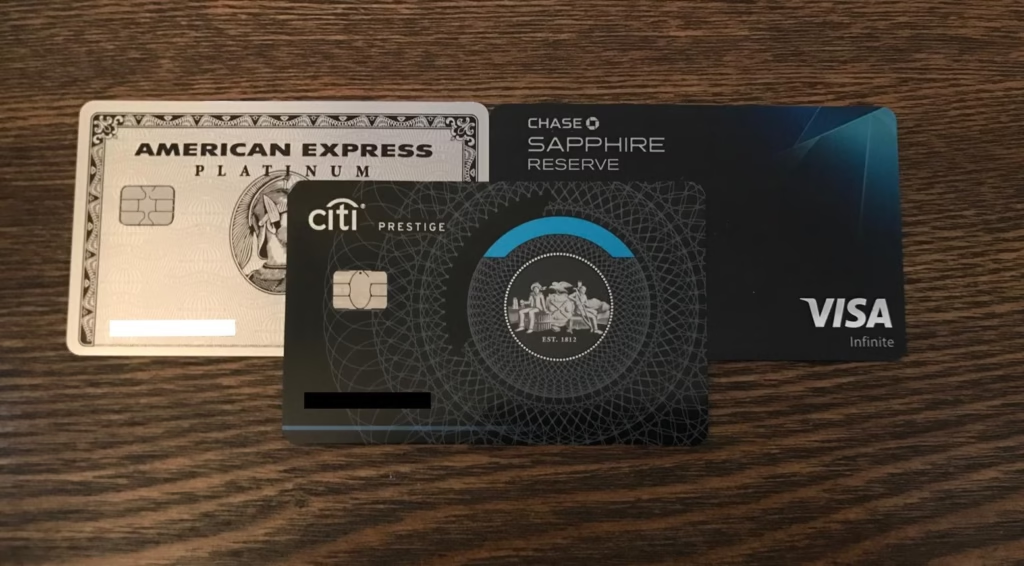
The Rise of Personalization in Luxury Card Services
Modern luxury consumers increasingly expect personalized experiences.
This expectation extends to financial products.
Premium card issuers are using data analytics and customer insights to create more tailored experiences, including:
- Customized rewards offers
- Personalized travel recommendations
- Curated event invitations
- Targeted dining experiences
- Individual spending insights
Consumers are becoming accustomed to personalization across digital platforms, and they increasingly expect similar sophistication from financial service providers.
A luxury cardholder who frequently travels internationally may receive different offers than someone who spends heavily on dining or entertainment.
The future of premium cards will likely involve even greater customization as technology continues to improve customer segmentation and predictive analytics.
Digital Experiences Are Becoming Just as Important as Physical Perks
Historically, luxury cards emphasized tangible status symbols, including metal construction, exclusive packaging, and invitation-only memberships.
While these features still contribute to brand identity, digital experiences have become equally important.
Modern cardholders expect:
- Intuitive mobile apps
- Real-time transaction monitoring
- Advanced fraud protection
- Seamless digital wallets
- Instant rewards tracking
- Integrated budgeting tools
Consumers increasingly manage their financial lives through smartphones. A premium experience now includes sophisticated technology that reduces friction and improves convenience.
For younger affluent consumers in particular, digital functionality can influence card satisfaction as much as traditional luxury benefits.
The premium card market is therefore becoming a technology competition as much as a rewards competition.
Are Luxury Cards Still About Status?
The answer is yes—but the nature of status is changing.
Visible displays of wealth have become less important for many consumers than access to valuable experiences and services.
Today, status often reflects:
- Access to exclusive events
- Premium travel experiences
- Time-saving services
- High-quality customer support
- Personalized treatment
Owning a luxury card may still carry prestige, but the prestige increasingly comes from what the card enables rather than the card itself.
This distinction is important because it influences how issuers communicate value. Marketing messages increasingly focus on experiences, convenience, and lifestyle enhancement rather than exclusivity alone.
In many ways, luxury cards have shifted from being symbols of wealth to tools that support a particular way of living.
What High-Income Consumers Expect Today
Affluent consumers are becoming more selective about premium financial products.
Common expectations include:
Transparent Value
Consumers want a clear understanding of how benefits translate into real-world savings and experiences.
Flexibility
Rigid rewards structures are becoming less appealing than programs that offer multiple redemption options.

Exceptional Service
Fast response times and knowledgeable customer support remain highly valued.
Meaningful Experiences
Exclusive access matters most when it delivers memorable and relevant experiences.
Digital Excellence
Technology performance is increasingly viewed as part of the luxury experience.
Meeting these expectations requires continual innovation from card issuers.
The Growing Influence of Younger Affluent Consumers
A significant trend shaping the future of luxury cards is the growing spending power of younger professionals and entrepreneurs.
Millennial and Gen Z consumers often approach luxury differently than previous generations.
Research across multiple consumer studies has consistently shown that younger affluent consumers prioritize:
- Experiences over possessions
- Convenience over complexity
- Flexibility over rigid structures
- Digital engagement over traditional channels
- Sustainability and corporate responsibility
As these consumers gain purchasing power, card issuers are adjusting benefit structures to align with evolving preferences.
This demographic shift is likely to influence luxury card design for years to come.
Common Questions Consumers Ask Before Choosing a Luxury Card
When evaluating premium cards, consumers frequently ask:
Is the annual fee worth paying?
The answer depends on usage. Frequent travelers and consumers who regularly utilize card benefits often realize greater value than occasional users.
How important are rewards points?
Rewards remain valuable, but many consumers now place equal importance on lifestyle benefits and service quality.
Do luxury cards improve travel experiences?
For frequent travelers, benefits such as lounge access, travel protections, and hotel privileges can significantly enhance trips.
Are premium cards only for wealthy individuals?
Not necessarily. Qualification standards vary, and some consumers find substantial value despite not being ultra-high-net-worth individuals.
What matters most when comparing luxury cards?
Annual fees, rewards structures, travel benefits, customer service quality, redemption flexibility, and lifestyle perks should all be evaluated.
How Competition Is Reshaping the Luxury Card Industry
Competition among financial institutions continues to intensify.
To differentiate themselves, issuers are investing heavily in:
- Premium customer experiences
- Technology platforms
- Exclusive partnerships
- Luxury travel programs
- Entertainment access
- Wellness initiatives
Consumers ultimately benefit from this competition because it drives innovation and encourages providers to deliver more comprehensive value.
As premium card offerings become increasingly sophisticated, consumers have more opportunities to select products aligned with their personal lifestyles.
Looking Ahead: The Future of Premium Card Membership
The next generation of luxury cards will likely become even more integrated into everyday life.
Future developments may include:
- Enhanced AI-powered personalization
- Expanded lifestyle partnerships
- Greater integration with digital ecosystems
- More flexible rewards redemption options
- Increased focus on wellness experiences
- Sustainability-focused benefits
- Hyper-personalized concierge services
Rather than focusing solely on exclusivity, future premium cards will likely emphasize relevance and utility.
Consumers increasingly want products that simplify their lives, enhance experiences, and provide measurable value.
The luxury card industry appears poised to continue evolving in that direction.

Frequently Asked Questions
1. What is considered a luxury credit card?
A luxury credit card is a premium financial product that typically offers enhanced travel benefits, concierge services, exclusive experiences, and lifestyle-focused rewards.
2. Why do luxury cards have high annual fees?
The fees help fund premium benefits, travel protections, customer service enhancements, and exclusive membership experiences.
3. Are luxury cards primarily designed for travelers?
Travel remains a major focus, but many luxury cards now emphasize dining, entertainment, wellness, and lifestyle benefits.
4. Do premium cards provide better customer service?
Many premium cards offer dedicated support teams, faster response times, and specialized concierge assistance.
5. How important is airport lounge access?
For frequent travelers, lounge access can be one of the most valuable benefits due to comfort, convenience, and amenities.
6. Can younger consumers benefit from luxury cards?
Yes. Many younger professionals use premium cards to maximize travel, dining, and entertainment spending.
7. Are rewards points still the main attraction?
Points remain important, but consumers increasingly value lifestyle benefits and personalized experiences.
8. How are luxury cards changing?
They are becoming more experience-focused, digitally integrated, and personalized to meet modern consumer expectations.
9. What should consumers compare before applying?
Annual fees, benefits, redemption flexibility, customer service, travel perks, and overall lifestyle alignment.
10. Will luxury cards continue growing in popularity?
Current market trends suggest continued demand as consumers seek more comprehensive financial and lifestyle solutions.
Redefining Prestige in the Modern Financial Landscape
Luxury cards are undergoing a meaningful transformation. While prestige remains part of their appeal, modern consumers increasingly judge premium cards by the experiences, convenience, flexibility, and value they deliver. As travel, technology, personalization, and lifestyle integration continue to evolve, the most successful luxury cards will be those that adapt to changing expectations and help consumers navigate increasingly experience-driven lives.
Key Insights for Today’s Premium Cardholder
- Luxury is increasingly defined by access and experiences.
- Travel benefits remain a major driver of premium card demand.
- Personalization is becoming a competitive differentiator.
- Digital experiences are now central to premium card satisfaction.
- Younger affluent consumers are reshaping industry priorities.
- Value and utility matter more than prestige alone.
- Lifestyle ecosystems are replacing traditional rewards-only models.
- Competition is driving innovation across the industry.
- Flexible benefits are becoming increasingly important.
- Future luxury cards will likely focus on relevance rather than exclusivity.






Leave a Reply