
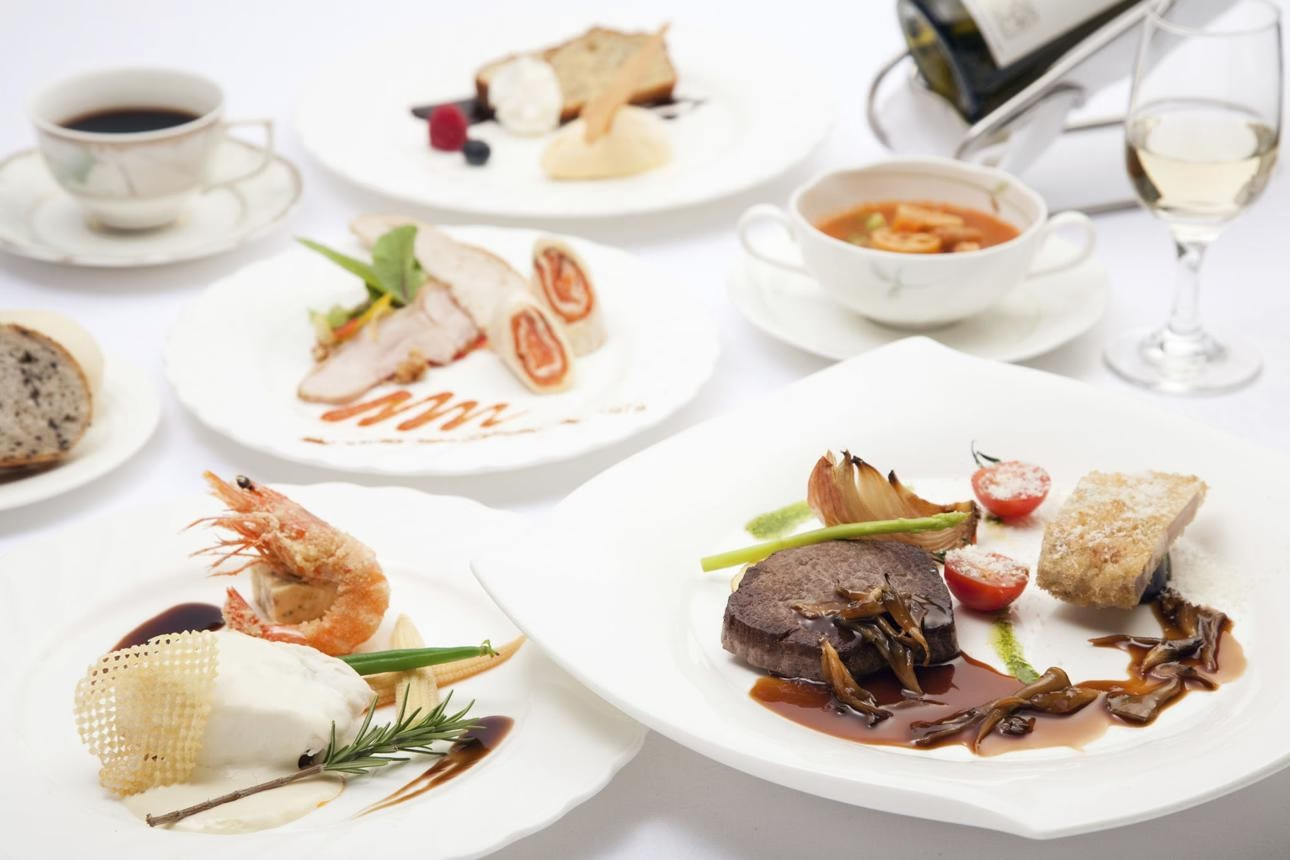
Across the United States, gourmet experiences are evolving far beyond traditional fine dining. Consumers are increasingly seeking immersive food-focused activities, from chef-led tasting menus and farm-to-table events to culinary travel and regional food exploration. These experiences combine culture, craftsmanship, education, and memorable hospitality, creating opportunities for travelers and local diners alike to connect more deeply with food while supporting local economies and culinary innovation.
The Growing Appeal of Gourmet Experiences
The American dining landscape has undergone significant changes over the past decade. While exceptional food remains central, many consumers are no longer satisfied with simply eating at a good restaurant. Instead, they want experiences that tell stories, showcase craftsmanship, and provide meaningful connections to people, places, and traditions.
This shift has fueled interest in gourmet experiences across multiple categories. Diners are booking multi-course tasting menus months in advance, traveling specifically to explore regional cuisines, and participating in chef-led events that offer behind-the-scenes insights into culinary techniques and sourcing practices.
Industry reports from tourism and hospitality organizations consistently show that food has become a major driver of travel decisions. For many travelers, discovering unique local cuisine is now as important as visiting cultural landmarks or outdoor attractions.
The rise of social media has certainly increased awareness of distinctive dining experiences, but the deeper motivation appears to be a desire for authenticity. Consumers increasingly value experiences that feel personal, educational, and connected to local communities.
What Exactly Qualifies as a Gourmet Experience?
The term “gourmet experience” has expanded considerably. It no longer refers exclusively to luxury restaurants or expensive meals.
Today, gourmet experiences may include:
- Multi-course chef tasting menus
- Regional food tours
- Winery and vineyard experiences
- Farm-to-table dinners
- Culinary travel itineraries
- Cooking classes with professional chefs
- Specialty coffee and tea tastings
- Artisan food workshops
- Seafood harvesting excursions
- Food festivals focused on local ingredients
What connects these activities is a focus on quality, expertise, craftsmanship, and engagement. Participants are not simply consuming food; they are learning about ingredients, traditions, preparation methods, and regional identities.
This broader definition has made gourmet experiences more accessible to a wider audience. While some options remain premium-priced, many offer exceptional value without requiring luxury-level budgets.
Why Tasting Menus Continue to Attract Diners
Among the most popular gourmet experiences in America today is the chef’s tasting menu.
Unlike traditional restaurant dining, tasting menus allow chefs to guide guests through a carefully curated progression of dishes. Each course contributes to a larger narrative about ingredients, techniques, seasons, or cultural influences.
For diners, the appeal lies in discovery. A tasting menu often introduces ingredients and flavor combinations they might never order independently.
Several factors contribute to their popularity:
Creative Expression
Chefs gain greater freedom to showcase innovation without relying solely on familiar menu items. This allows restaurants to demonstrate culinary expertise while creating memorable dining experiences.
Seasonal Focus
Many tasting menus evolve throughout the year, highlighting peak seasonal ingredients. Guests often return multiple times to experience different interpretations of local produce and regional specialties.
Educational Value
Servers and chefs frequently explain sourcing decisions, preparation techniques, and flavor profiles, transforming dinner into a learning experience.
Sense of Occasion
A thoughtfully executed tasting menu creates anticipation and structure that many diners associate with celebrations and special events.
Across cities such as New York City, Chicago, San Francisco, and Austin, tasting menus continue to evolve as chefs blend local ingredients with global influences.
The Rise of Culinary Travel Across America
Food tourism has become one of the fastest-growing segments of leisure travel. Rather than treating dining as a secondary activity, travelers increasingly build entire itineraries around food.
This trend has helped spotlight regional American culinary traditions that previously received limited national attention.
Travelers are seeking experiences such as:
- Exploring barbecue trails across the South
- Sampling seafood along coastal communities
- Visiting wine regions in California, Oregon, and Washington
- Discovering Indigenous food traditions
- Experiencing Cajun and Creole cuisine in Louisiana
- Touring artisan cheese producers in Vermont and Wisconsin
Culinary travel provides a deeper understanding of place. Food reflects geography, history, migration patterns, climate, and local culture in ways that few other experiences can.
For many travelers, sharing meals with local residents creates stronger memories than visiting traditional tourist attractions.

Regional Food Destinations Capturing National Attention
The Pacific Northwest
The Pacific Northwest continues to attract food enthusiasts with its emphasis on sustainability, seafood, wild ingredients, and innovative cuisine.
Cities like Seattle and Portland have built reputations for supporting local producers while embracing culinary creativity.
The American South
The South remains one of the country’s most influential culinary regions. Traditional barbecue, soul food, Lowcountry cuisine, and contemporary Southern cooking attract visitors from across the nation.
Many travelers now seek chef-driven interpretations of historic regional dishes that preserve heritage while introducing modern techniques.
California
California’s combination of agricultural abundance, wine production, and culinary diversity makes it one of America’s premier gourmet destinations.
From Napa Valley wine experiences to coastal seafood restaurants and multicultural food communities in Los Angeles, the state offers remarkable variety.
New England
New England continues to attract culinary travelers through seafood traditions, historic food culture, artisanal production, and seasonal specialties that reflect the region’s maritime heritage.
Farm-to-Table Dining Remains Highly Relevant
Although the farm-to-table movement is no longer new, its influence continues to shape gourmet dining experiences throughout the country.
Consumers increasingly want transparency regarding:
- Ingredient sourcing
- Agricultural practices
- Environmental sustainability
- Seasonal availability
- Producer relationships
Restaurants that maintain strong partnerships with local farms often create more distinctive menus because ingredients reflect specific growing conditions and seasonal cycles.
For diners, these experiences offer a direct connection to the agricultural communities that support American food systems.
Some establishments take this concept even further by hosting dinners on working farms, allowing guests to meet growers and learn about production methods firsthand.
Culinary Experiences Beyond Restaurants
One notable development is the growing popularity of food-centered experiences that occur outside traditional restaurant settings.
These include:
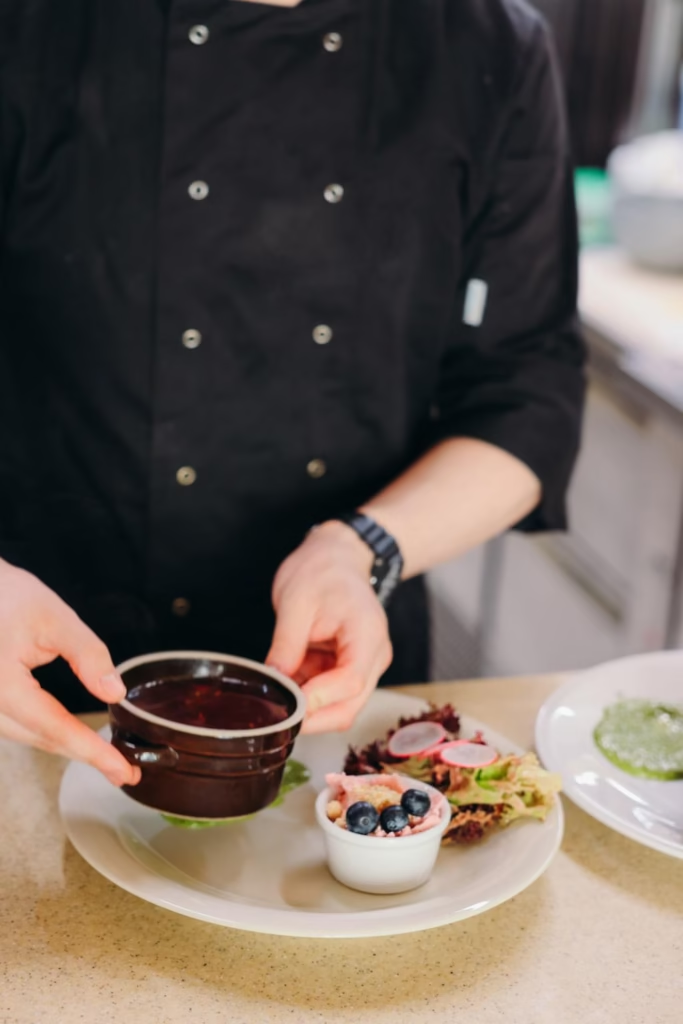
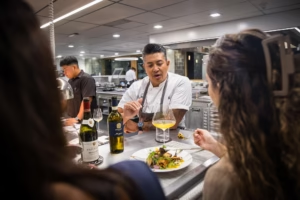
Chef-Led Cooking Classes
Professional chefs increasingly offer educational workshops where participants learn techniques, ingredient selection, and recipe development.
Food Markets and Artisan Producers
Many travelers now spend significant time exploring specialty markets, bakeries, coffee roasters, and craft food producers.
Wine and Beverage Tourism
Wine tourism continues to expand, but interest has also grown in craft breweries, distilleries, specialty coffee roasters, and tea producers.
Harvest and Foraging Experiences
Some regions offer guided opportunities to harvest oysters, forage mushrooms, collect produce, or learn about wild ingredients.
These activities provide hands-on engagement that many consumers find more memorable than passive dining alone.
How Technology Is Influencing Gourmet Experiences
Technology has transformed how consumers discover and plan culinary adventures.
Travelers can now:
- Research restaurants months before trips
- Reserve sought-after tasting menus online
- Follow chefs directly through digital platforms
- Explore destination-specific food guides
- Access detailed reviews and recommendations
- Learn about regional food culture before arriving
At the same time, many gourmet operators intentionally balance technological convenience with human interaction. The most successful experiences often combine seamless booking systems with personalized hospitality.
Consumers appreciate efficiency, but they continue to value authentic human connections once they arrive.

What Makes a Gourmet Experience Worth the Cost?
One of the most common questions consumers ask is whether gourmet experiences justify premium pricing.
The answer often depends on several factors:
Quality of Ingredients
Exceptional ingredients frequently require significant investment in sourcing, transportation, and handling.
Culinary Expertise
Years of training, experimentation, and technical skill contribute to the value guests receive.
Personalization
Many gourmet experiences offer high staff-to-guest ratios, enabling more attentive service.
Educational Components
Guests often leave with knowledge about cooking, agriculture, wine, culture, or regional traditions.
Lasting Memories
Unlike physical purchases, memorable experiences frequently retain emotional value long after the event ends.
For many consumers, the combination of education, entertainment, and hospitality helps justify the investment.
Planning Your Own Culinary Travel Experience
Individuals interested in exploring gourmet travel can benefit from thoughtful planning.
Consider the following strategies:
- Research seasonal specialties before booking trips
- Make reservations well in advance for popular restaurants
- Balance fine dining with local casual favorites
- Explore markets and food producers alongside restaurants
- Allow flexibility for spontaneous discoveries
- Learn about regional culinary history before visiting
- Prioritize quality over attempting too many experiences
Travelers often discover that smaller, lesser-known destinations can provide some of the most rewarding culinary experiences. Regional authenticity frequently proves more memorable than chasing the latest dining trend.
Frequently Asked Questions
1. What is considered a gourmet dining experience?
A gourmet dining experience typically emphasizes exceptional ingredients, culinary expertise, thoughtful presentation, and a strong focus on hospitality and storytelling.
2. Are tasting menus worth trying?
Many diners find tasting menus worthwhile because they provide access to a chef’s full creative vision and often introduce ingredients and techniques they would not otherwise encounter.
3. What is culinary tourism?
Culinary tourism involves traveling primarily to experience local food, beverages, cooking traditions, and food-related cultural activities.
4. Which U.S. cities are best for food-focused travel?
Popular destinations include New York City, Chicago, San Francisco, New Orleans, Austin, Portland, Seattle, and Charleston, though many smaller cities also offer outstanding culinary experiences.
5. How much should I budget for a gourmet experience?
Costs vary widely. Some experiences may cost under $50, while premium tasting menus and specialized culinary travel packages can exceed several hundred dollars per person.
6. Is culinary travel only for food experts?
No. Culinary travel appeals to anyone interested in culture, history, hospitality, and local traditions, regardless of cooking knowledge.
7. What is the difference between fine dining and gourmet experiences?
Fine dining typically refers to a restaurant format, while gourmet experiences encompass a broader range of activities including travel, education, production tours, tastings, and culinary events.
8. Are farm-to-table restaurants still popular?
Yes. Consumers continue to value transparency, sustainability, and locally sourced ingredients, making farm-to-table concepts highly relevant.
9. How far in advance should tasting menus be booked?
Highly sought-after restaurants may require reservations weeks or months ahead, especially in major cities and peak travel seasons.
10. What are some affordable gourmet experiences?
Cooking classes, food tours, artisan producer visits, farmers markets, and regional food festivals can offer exceptional value at relatively modest costs.





Leave a Reply