
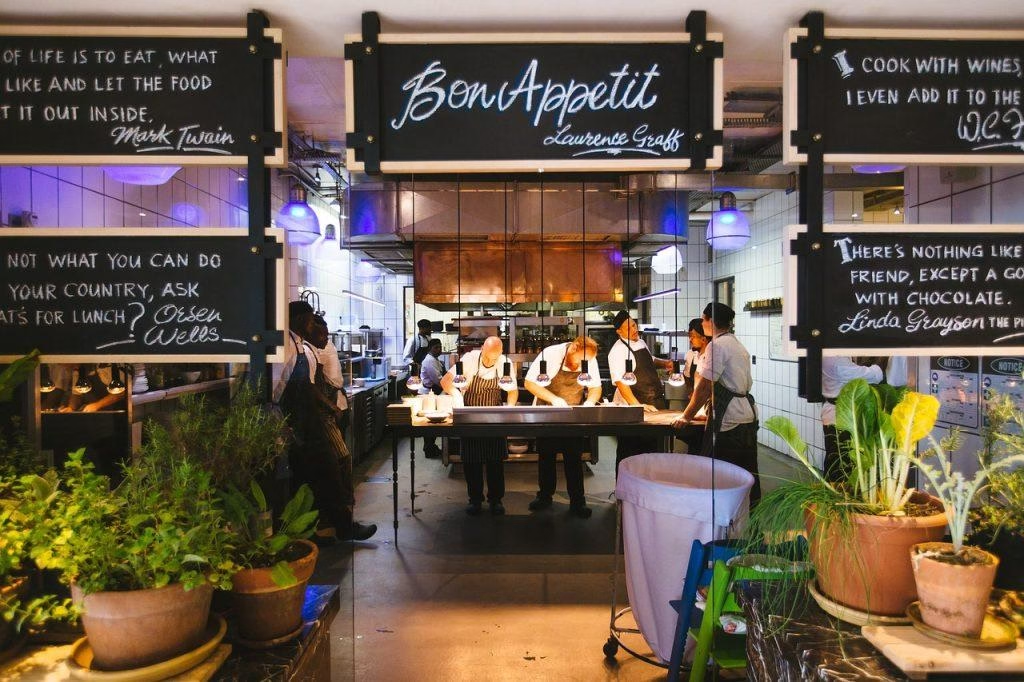
Modern gourmet dining is no longer defined solely by luxury ingredients or formal restaurants. Across America, the most memorable food experiences combine exceptional craftsmanship, authenticity, storytelling, personalization, and meaningful hospitality. Whether at a chef’s counter, farm-to-table restaurant, culinary retreat, or neighborhood tasting menu, today’s diners increasingly value connection, quality, and memorable experiences that extend far beyond the plate.
How Gourmet Dining Has Changed in the Last Decade
For many years, gourmet dining was associated primarily with white tablecloths, elaborate service, and exclusive menus. While those elements still exist, consumer expectations have evolved significantly.
Modern diners are often looking for something deeper than a technically perfect meal. They want experiences that feel unique, authentic, and memorable. A carefully prepared dish still matters, but so does the story behind the ingredients, the atmosphere of the space, and the interaction with chefs and staff.
Research from the hospitality industry consistently shows that consumers are spending more on experiences than material goods. Dining has become part of that broader shift. A memorable meal is increasingly viewed as an event, an educational experience, or even a form of travel and cultural exploration.
The rise of culinary tourism, chef-led dining concepts, tasting experiences, and experiential hospitality demonstrates how food has become a centerpiece of modern lifestyle choices.
What Makes a Dining Experience Truly Memorable?
The most successful gourmet experiences tend to share several common characteristics regardless of location, cuisine, or price point.
Exceptional Quality Without Unnecessary Complexity
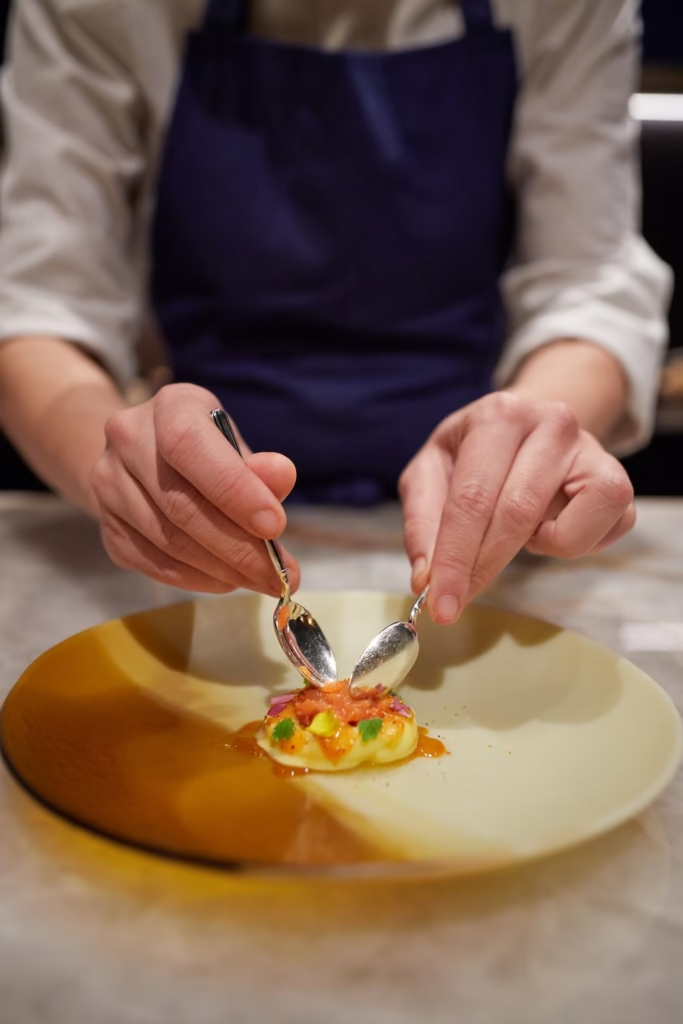
One misconception about gourmet food is that it must be highly elaborate. In reality, many celebrated chefs focus on simplicity executed at an extraordinarily high level.
A perfectly roasted chicken made from premium ingredients can create a stronger impression than a highly complicated dish if it demonstrates technical excellence and thoughtful preparation.
Today’s diners often appreciate:
- Fresh seasonal ingredients
- Skilled preparation techniques
- Balanced flavors
- Consistent execution
- Attention to detail
Quality remains the foundation of every memorable dining experience.
A Strong Sense of Place
One characteristic shared by many acclaimed restaurants is their connection to local identity.
Whether dining in coastal Maine, Napa Valley, Austin, Charleston, or Seattle, guests increasingly appreciate menus that reflect regional culture and local ingredients.
Restaurants that embrace their surroundings often create stronger emotional connections because diners feel they are experiencing something unique to that destination.
Examples include:
- Pacific Northwest seafood-focused tasting menus
- Southern restaurants highlighting regional heritage recipes
- California farm-to-table concepts
- Southwestern menus featuring indigenous ingredients
The meal becomes part of the broader story of a location rather than a generic dining experience.
The Growing Importance of Storytelling
Food tells stories.
The best gourmet experiences help diners understand those stories through thoughtful menu design, service interactions, and ingredient selection.
Guests often enjoy learning:
- Where ingredients originated
- How dishes evolved
- Why specific techniques are used
- Cultural significance behind recipes
- The chef’s inspiration
This educational component adds depth and creates stronger memories.
For example, a simple oyster course becomes more meaningful when guests learn about the local waters where the oysters were harvested, the sustainability practices involved, and the regional traditions connected to the dish.
Storytelling transforms dining from consumption into engagement.
Why Hospitality Matters More Than Ever
Many diners remember service long after they forget individual dishes.
Hospitality differs from service. Service focuses on operational tasks. Hospitality focuses on how guests feel.
Outstanding hospitality often includes:
- Warm, genuine interactions
- Staff knowledge and confidence
- Personalized recommendations
- Attention to guest preferences
- Problem-solving without disruption
A restaurant may serve excellent food, but memorable hospitality often determines whether guests return or recommend the experience to others.
In today’s competitive dining environment, emotional connection has become a major differentiator.
Personalization Is Reshaping Gourmet Experiences
Modern consumers increasingly expect experiences tailored to their interests and preferences.
Restaurants have responded by creating more personalized offerings.
Examples include:
- Customized tasting menus
- Wine pairing adjustments
- Dietary accommodation without compromise
- Chef interaction opportunities
- Special occasion enhancements
Technology has also made personalization easier. Reservation systems now help restaurants track guest preferences, allergies, and dining history.
As a result, many guests feel recognized and valued from the moment they arrive.
That sense of personalization often becomes one of the most memorable aspects of the experience.
The Rise of Chef-Counter and Interactive Dining
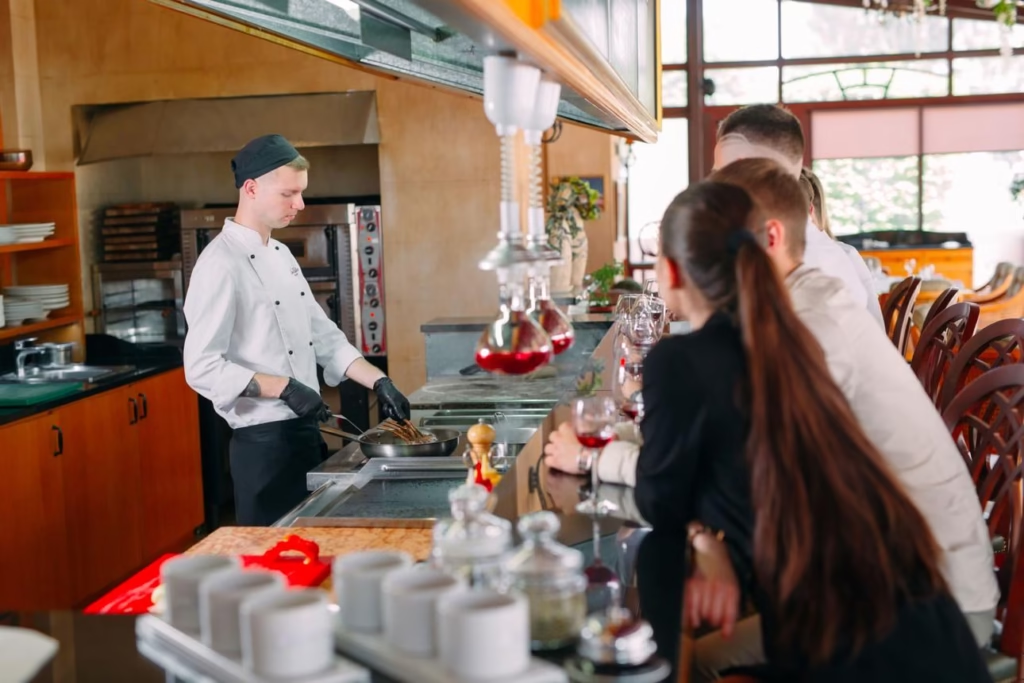
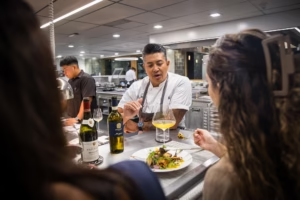
One of the fastest-growing trends in gourmet dining involves direct interaction between chefs and guests.
Chef’s counters, open kitchens, and interactive tasting experiences have become increasingly popular because they provide transparency and connection.
Guests enjoy seeing:
- Cooking techniques firsthand
- Ingredient preparation
- Plating processes
- Kitchen teamwork
- Real-time chef explanations
This approach creates trust and engagement while turning the meal into a performance and learning opportunity.
Many diners report that watching food being prepared enhances appreciation for the craftsmanship involved.
Why Authenticity Outperforms Luxury Alone
Luxury remains important in many gourmet settings, but authenticity increasingly drives consumer satisfaction.
Modern diners often value genuine experiences over displays of exclusivity.
Authenticity may involve:
- Honest sourcing practices
- Family traditions
- Cultural integrity
- Local partnerships
- Transparent communication
A modest restaurant with a compelling story and exceptional execution can generate stronger customer loyalty than a more expensive venue lacking authenticity.
This shift reflects broader consumer preferences across hospitality, travel, and lifestyle sectors.
People increasingly want experiences that feel real rather than manufactured.
Sustainability Has Become Part of the Gourmet Conversation
Environmental awareness has become an important factor in dining decisions.
Many guests now pay attention to how restaurants source ingredients, manage waste, and support local producers.
Leading establishments often emphasize:
- Seasonal sourcing
- Local farms
- Sustainable seafood
- Reduced food waste
- Responsible packaging
According to industry research from organizations such as the National Restaurant Association, sustainability remains a growing priority among both operators and consumers.
Importantly, sustainability is no longer viewed as a separate initiative. It has become integrated into quality and culinary excellence.
Many chefs believe responsible sourcing actually improves flavor, freshness, and overall guest satisfaction.
Culinary Travel and Destination Dining
Food has become one of the primary motivations for travel.
Many Americans now plan trips around restaurants, culinary events, and regional food experiences.
Popular gourmet travel experiences include:
- Wine country tours
- Food-focused city weekends
- Chef-led culinary retreats
- Farm dining experiences
- Regional tasting trails
Destinations that successfully connect food, culture, and local identity often create lasting memories.
The meal itself becomes part of a larger narrative that includes people, history, and place.
For travelers, these experiences frequently become trip highlights.
Technology’s Role in the Modern Gourmet Journey
Technology is influencing dining experiences in ways that extend beyond reservations.
Restaurants increasingly use digital tools to improve guest experiences through:
- Reservation management
- Personalized communication
- Digital wine programs
- Contactless payment options
- Loyalty systems
However, the most successful establishments use technology carefully.
Guests generally seek human connection during gourmet experiences. Technology works best when it removes friction rather than replacing hospitality.
The goal is convenience without sacrificing warmth.
Restaurants that achieve this balance often create stronger customer satisfaction.
What Diners Are Searching for Today
Consumer preferences continue evolving, but several themes consistently appear among modern diners.
Many people ask:
Is expensive dining always better?
Not necessarily. Value increasingly depends on overall experience, ingredient quality, hospitality, and authenticity rather than price alone.
What creates a memorable restaurant experience?
A combination of excellent food, meaningful hospitality, atmosphere, storytelling, and personalization often creates the strongest memories.
Are tasting menus worth it?
For many diners, tasting menus provide an opportunity to experience a chef’s creativity and vision in a structured format. The value depends on execution and personal preferences.
Why are chef’s counters becoming popular?
They offer transparency, interaction, education, and a closer connection to the culinary process.
These questions reflect a broader shift toward experience-driven dining rather than status-driven dining.
Lessons From America’s Most Successful Gourmet Concepts
While successful restaurants vary greatly, many share several strategic principles.
They consistently focus on:
- Delivering quality every day
- Creating emotional connections
- Celebrating local identity
- Maintaining authenticity
- Investing in staff knowledge
- Personalizing guest experiences
- Embracing thoughtful innovation
- Building trust through transparency
These principles apply equally to luxury restaurants, neighborhood tasting concepts, culinary resorts, and emerging hospitality businesses.
Ultimately, memorable dining experiences are rarely built around a single extraordinary dish. They result from dozens of carefully coordinated decisions that work together to create something guests genuinely remember.
Frequently Asked Questions
1. What is considered a gourmet dining experience?
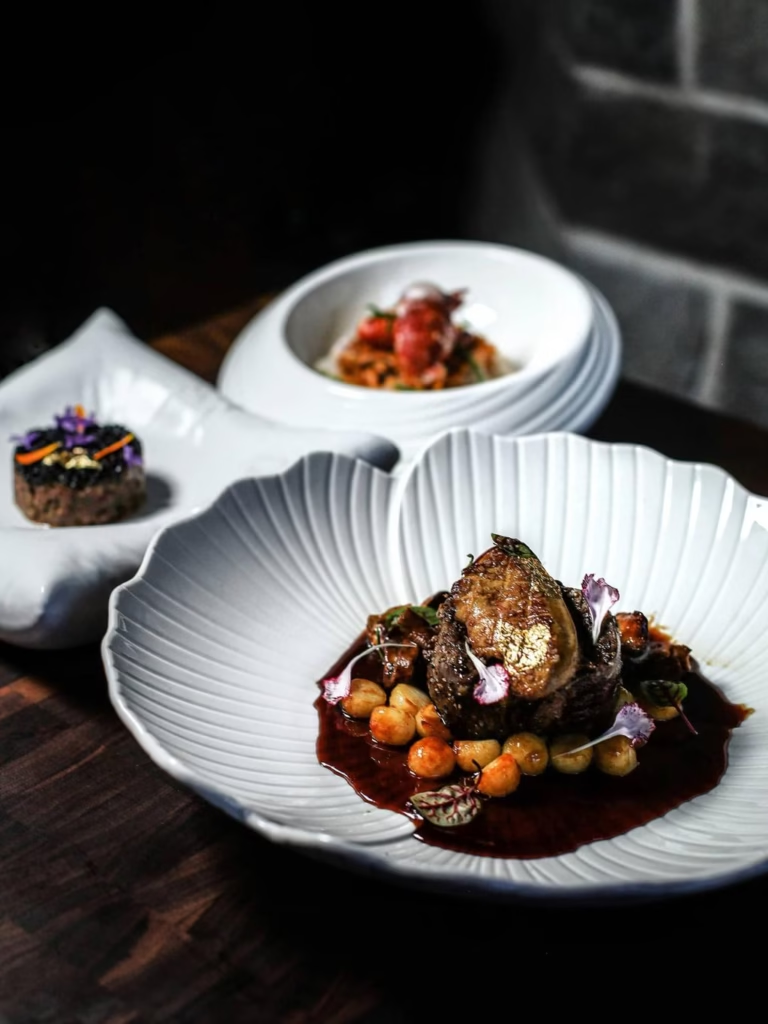
A gourmet dining experience emphasizes exceptional ingredients, skilled preparation, thoughtful presentation, and elevated hospitality that goes beyond everyday dining.
2. Are gourmet restaurants only for special occasions?
No. While many people choose them for celebrations, a growing number of gourmet concepts are designed for casual, everyday enjoyment.
3. Why are tasting menus so popular?
Tasting menus allow chefs to showcase creativity while giving guests a curated culinary journey through multiple courses.
4. What role does hospitality play in fine dining?
Hospitality shapes how guests feel during the experience and often influences satisfaction as much as the food itself.
5. Is farm-to-table dining still important?
Yes. Many consumers continue to value local sourcing, seasonal ingredients, and direct relationships between restaurants and producers.
6. How can diners identify a truly exceptional restaurant?
Look for consistency, ingredient quality, knowledgeable staff, authentic storytelling, positive reviews, and strong guest experiences.
7. Are chef’s counters worth booking?
Many diners find chef’s counters rewarding because they offer unique access to culinary techniques and direct interaction with chefs.
8. Why has culinary tourism become so popular?
Travelers increasingly seek authentic local experiences, and food provides a direct connection to culture, history, and community.
9. Does sustainability affect food quality?
In many cases, sustainable sourcing supports fresher ingredients and stronger relationships with producers, which can improve quality.
10. What dining trends are likely to continue?
Personalization, experiential dining, local sourcing, chef interaction, culinary travel, and authenticity are likely to remain influential.





Leave a Reply