
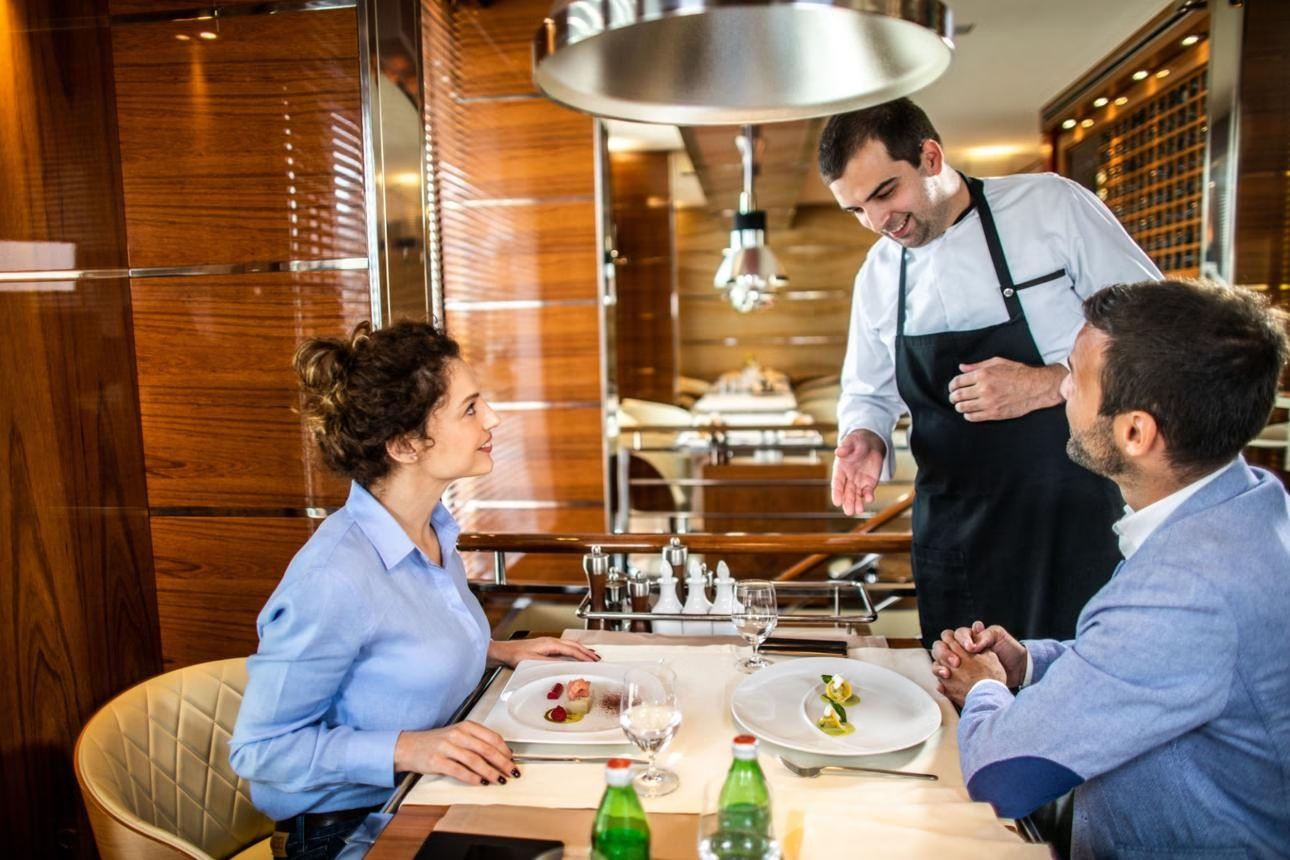
Gourmet dining in America is no longer defined solely by luxury restaurants, white tablecloths, or exclusive tasting menus. Today’s food enthusiasts seek immersive, authentic, and personalized culinary experiences that combine exceptional food with storytelling, cultural exploration, sustainability, and social connection. From chef-led pop-ups and farm-to-table events to culinary travel and interactive dining concepts, gourmet experiences are becoming more accessible, diverse, and experience-driven than ever before.
The Changing Meaning of Gourmet in Modern America
For decades, the term “gourmet” often evoked images of formal dining rooms, expensive wine pairings, and elaborate multi-course meals reserved for special occasions. While traditional fine dining remains an important part of the culinary landscape, consumer preferences have evolved significantly.
Today’s American diners—particularly Millennials and Generation Z—are increasingly interested in experiences rather than status symbols. Research from multiple hospitality and consumer behavior studies consistently shows that younger consumers prioritize memorable experiences over material purchases, and food has become a major part of that shift.
As a result, gourmet experiences are expanding beyond traditional restaurant settings. A chef preparing a locally sourced meal at a vineyard, a private tasting event hosted by artisans, or a guided culinary tour through a city’s hidden neighborhoods can now be considered just as gourmet as a meal at a renowned restaurant.
The modern definition of gourmet focuses less on formality and more on quality, craftsmanship, authenticity, and meaningful engagement.
Why Experiences Are Becoming More Important Than Luxury
One of the most significant shifts in food culture is the growing emphasis on experiential dining.
Consumers increasingly value:
- Personal interaction with chefs
- Behind-the-scenes culinary education
- Cultural storytelling
- Local sourcing transparency
- Unique dining environments
- Community-focused events
- Customized menu experiences
Instead of simply being served a meal, diners want to understand where ingredients came from, how dishes were developed, and why certain culinary traditions matter.
Consider the popularity of chef’s table experiences across the United States. Guests often pay not only for food but for direct access to culinary expertise. Watching a chef prepare dishes, discussing techniques, and learning about ingredient sourcing creates a deeper connection that many diners find more valuable than traditional luxury markers.
This shift reflects a broader cultural movement toward participation and engagement rather than passive consumption.
The Rise of Immersive Culinary Experiences
Immersive dining has emerged as one of the most influential trends shaping gourmet culture.
These experiences combine food with entertainment, education, design, or storytelling to create memorable events that extend beyond the plate.
Examples include:
- Multi-sensory tasting experiences
- Themed dining events
- Interactive cooking demonstrations
- Food and art collaborations
- Culinary theater productions
- Destination dining experiences
- Seasonal farm dinners
Many restaurants and hospitality brands now design entire evenings around a narrative rather than a menu alone.
For example, guests attending a coastal seafood dinner may hear directly from local fishermen, learn about sustainable harvesting practices, and enjoy dishes specifically designed to showcase regional ingredients. The meal becomes both educational and entertaining.
The result is a stronger emotional connection that often leaves a lasting impression long after the final course.
How Culinary Travel Is Expanding Gourmet Horizons
Travel and food have become increasingly interconnected.
Many Americans now plan vacations around culinary opportunities rather than treating food as a secondary consideration. According to tourism industry research, food-related travel spending continues to represent a substantial portion of leisure travel budgets.
Culinary tourism may include:
- Regional food tours
- Wine country experiences
- Cooking classes abroad
- Farm visits
- Distillery and brewery tours
- Local market explorations
- Cultural food festivals
Domestic destinations are benefiting significantly from this trend.

Cities such as Charleston, Austin, Portland, and Napa have become recognized not only for attractions but also for distinctive culinary identities.
For many travelers, discovering local food traditions provides a more authentic understanding of a destination than conventional sightseeing alone.
Sustainability Is Becoming a Gourmet Expectation
A growing number of consumers view sustainability as an essential component of a premium dining experience.
Food enthusiasts increasingly ask questions such as:
- Where were these ingredients sourced?
- How are workers treated?
- Is the seafood sustainably harvested?
- What is the restaurant’s environmental impact?
- Are seasonal ingredients being prioritized?
Restaurants responding to these concerns often emphasize:
- Local sourcing partnerships
- Seasonal menu design
- Reduced food waste
- Sustainable seafood programs
- Regenerative agriculture partnerships
- Environmentally responsible packaging
What was once considered a niche concern has become mainstream among many affluent and highly engaged diners.
Today’s gourmet customer often evaluates a restaurant’s ethics alongside its culinary excellence.
This shift has encouraged greater transparency throughout the food supply chain and has strengthened relationships between chefs, farmers, producers, and consumers.
The Influence of Social Media on Gourmet Discovery
Social media has dramatically changed how people discover gourmet experiences.
In previous decades, restaurant critics, travel publications, and word-of-mouth recommendations heavily influenced dining decisions. While these sources remain important, platforms such as YouTube, Instagram, and TikTok now expose consumers to culinary experiences from across the country.
However, successful gourmet experiences increasingly rely on more than visual appeal.
Consumers have become more sophisticated and often seek:
- Authentic reviews
- Chef interviews
- Ingredient sourcing stories
- Behind-the-scenes content
- Educational culinary content
- Local recommendations
Restaurants that balance visual presentation with substance often build stronger long-term reputations.
The most successful culinary brands use digital platforms not merely to showcase food but to communicate values, craftsmanship, and expertise.
How Technology Is Enhancing Gourmet Experiences
Technology is quietly transforming many aspects of high-end dining.
Modern innovations include:
- Digital wine pairing tools
- Interactive menu systems
- Reservation personalization platforms
- AI-assisted guest preference management
- Virtual culinary education
- Mobile concierge services
These tools allow restaurants to deliver highly personalized experiences without sacrificing hospitality.
For example, returning guests may receive customized recommendations based on previous visits, dietary preferences, or favorite wine selections.
Technology also expands access to gourmet education. Consumers can now learn professional cooking techniques, ingredient sourcing methods, and wine appreciation skills from respected chefs without leaving home.
Rather than replacing human interaction, technology increasingly supports deeper personalization.
Gourmet Experiences Are Becoming More Accessible
Perhaps one of the most important developments is accessibility.
Historically, gourmet dining often carried significant financial barriers. While luxury dining still exists, many modern gourmet experiences are designed to appeal to broader audiences.
Examples include:
- Neighborhood chef pop-ups
- Community tasting events
- Food halls featuring award-winning chefs
- Specialty workshops
- Wine education classes
- Regional food festivals
- Small-group culinary experiences

Consumers increasingly have opportunities to experience exceptional food without committing to an expensive multi-course tasting menu.
This democratization of gourmet culture is helping cultivate a wider appreciation for culinary craftsmanship across diverse communities.
The Growing Demand for Personalization
Personalization has become a defining characteristic of modern gourmet experiences.
Today’s diners expect flexibility and customization that were once uncommon in traditional fine dining environments.
Restaurants and culinary businesses increasingly accommodate:
- Dietary restrictions
- Wellness preferences
- Cultural considerations
- Customized tasting experiences
- Individual beverage pairings
- Personalized celebrations
The goal is not simply to provide excellent food but to create experiences that feel uniquely relevant to each guest.
This customer-centered approach aligns with broader consumer expectations across hospitality, travel, and entertainment industries.
As personalization technologies improve, gourmet experiences will likely become even more tailored and responsive.
What Food Enthusiasts Are Looking for Next
Looking ahead, several trends appear poised to shape the future of gourmet experiences in America.
Emerging areas of interest include:
- Hyper-local sourcing initiatives
- Indigenous and regional food traditions
- Experiential culinary travel
- Wellness-focused gourmet dining
- Sustainable luxury concepts
- Interactive chef-led education
- Culinary collaborations across disciplines
- Smaller, highly curated dining events
Consumers increasingly seek meaningful experiences that combine enjoyment, learning, and connection.
The future of gourmet dining appears less focused on exclusivity and more focused on authenticity, craftsmanship, and memorable engagement.

Frequently Asked Questions
What is considered a gourmet experience today?
A gourmet experience typically involves exceptional food quality combined with thoughtful preparation, unique ingredients, storytelling, personalized service, or immersive elements that create a memorable dining occasion.
Is gourmet dining the same as fine dining?
Not necessarily. Fine dining is one category within gourmet culture, but gourmet experiences can also include food tours, chef pop-ups, farm dinners, cooking workshops, and culinary travel experiences.
Why are younger consumers interested in experiential dining?
Many younger consumers prioritize memorable experiences, education, and authenticity. Interactive dining offers greater engagement than traditional restaurant formats.
Are gourmet experiences always expensive?
No. Many gourmet experiences are now accessible through community events, specialty workshops, food festivals, and casual chef-driven concepts.
What role does sustainability play in gourmet dining?
Sustainability increasingly influences consumer decisions. Diners often value local sourcing, seasonal ingredients, ethical production, and environmental responsibility.
How has social media affected gourmet culture?
Social media has expanded culinary discovery, allowing consumers to find new restaurants, food trends, and educational content while sharing their own dining experiences.
What is culinary tourism?
Culinary tourism involves traveling specifically to explore food, beverages, cooking traditions, local ingredients, and regional dining experiences.
Are food halls part of the gourmet movement?
Yes. Many food halls now feature chef-driven concepts and artisan producers, making high-quality culinary experiences more accessible.
How important is personalization in modern dining?
Personalization has become increasingly important as consumers expect dining experiences tailored to dietary preferences, celebrations, and individual tastes.
What trends are likely to shape the future of gourmet experiences?
Key trends include sustainability, culinary travel, hyper-local sourcing, wellness-focused dining, educational experiences, and personalized hospitality.





Leave a Reply