
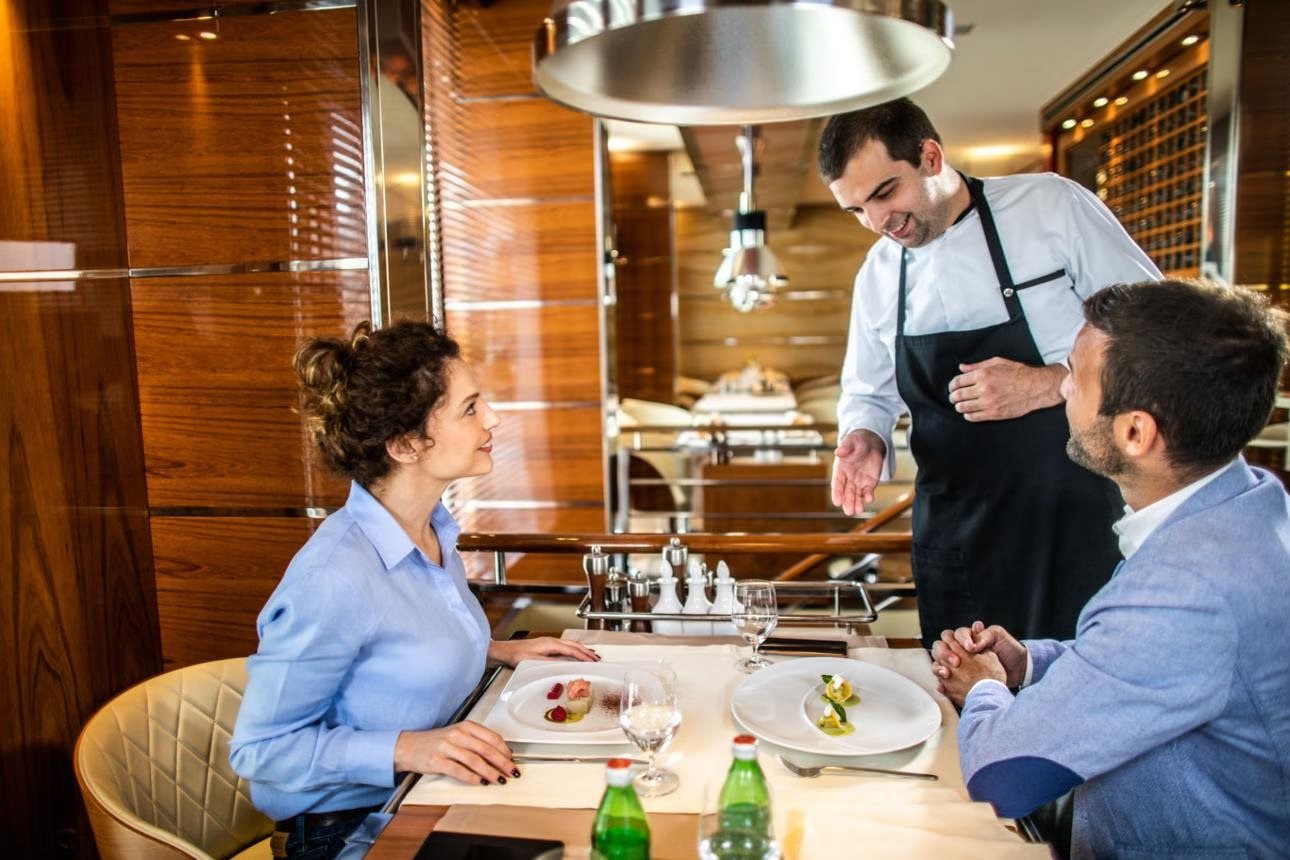
Gourmet dining in America is evolving beyond traditional fine dining. Consumers increasingly seek personalized experiences, local ingredients, culinary storytelling, immersive environments, and hands-on participation. Restaurants, luxury resorts, and private chefs are responding with innovative approaches that combine hospitality, culture, sustainability, and technology. The result is a new era of gourmet experiences that emphasize connection, authenticity, and memorable moments as much as exceptional food.
The Evolution of Gourmet Dining
For decades, gourmet dining was often associated with white tablecloths, formal service, and exclusive restaurants. While these elements still have a place in the culinary landscape, today’s consumers are redefining what makes an experience truly exceptional.
Modern diners are increasingly spending money on experiences rather than possessions. This shift has influenced nearly every segment of the hospitality industry. According to research from the hospitality and travel sectors, experiential spending continues to grow as consumers prioritize memorable activities that create lasting value.
As a result, gourmet experiences have expanded beyond traditional restaurant settings. Travelers now seek chef-led excursions, culinary workshops, farm-to-table events, and private dining experiences that provide deeper engagement with food and culture.
The modern gourmet experience is no longer defined solely by what’s on the plate. It includes the story behind the ingredients, the atmosphere, the personal interaction, and the emotional connection created throughout the experience.
Why Americans Are Looking for More Than Great Food
A common question many consumers ask is: Why are gourmet experiences becoming more popular?
The answer lies in changing consumer expectations.
Today’s diners often want:
- Authentic local experiences
- Meaningful interactions with chefs
- Transparency about ingredients
- Personalized service
- Educational components
- Memorable social experiences
- Sustainable practices
Food has increasingly become a gateway to culture, travel, and personal enrichment. People want to understand where ingredients come from, how dishes are prepared, and why certain culinary traditions matter.
This shift is particularly noticeable among younger consumers, who frequently prioritize experiences that feel unique, shareable, and personally meaningful.
The Rise of Culinary Storytelling
One of the most influential trends reshaping gourmet experiences is culinary storytelling.
Restaurants and hospitality brands are recognizing that guests connect more deeply with meals when they understand the story behind them.
A tasting menu today might include:
- The history of a regional recipe
- The background of a family-owned farm
- The chef’s personal inspiration
- Seasonal agricultural influences
- Cultural traditions tied to the dish
This narrative approach transforms dining from a transactional activity into an educational and emotional experience.
Consider a restaurant serving heritage grains sourced from a multi-generation Midwestern farm. The grain itself may be excellent, but understanding its history and cultivation methods creates a stronger connection between guest and meal.
Many successful chefs now act as storytellers as much as culinary professionals.
Farm-to-Table Continues to Mature
Farm-to-table dining is no longer a niche concept. It has become a foundational expectation for many gourmet consumers.
However, the trend has evolved significantly.
Early farm-to-table concepts often focused primarily on sourcing local ingredients. Today’s approach is more comprehensive.
Modern farm-focused gourmet programs emphasize:
- Regenerative agriculture
- Seasonal menu development
- Direct farmer partnerships
- Reduced food waste
- Supply chain transparency
- Community engagement
Guests increasingly want proof of sustainability rather than marketing claims. Restaurants are responding by highlighting specific producers and offering detailed information about sourcing practices.
Many high-end restaurants now adjust menus daily or weekly based on ingredient availability, reinforcing authenticity and freshness.
Immersive Dining Experiences Are Expanding
Another major trend is immersive dining.
Rather than simply serving food, hospitality operators are creating environments that engage multiple senses.
Examples include:
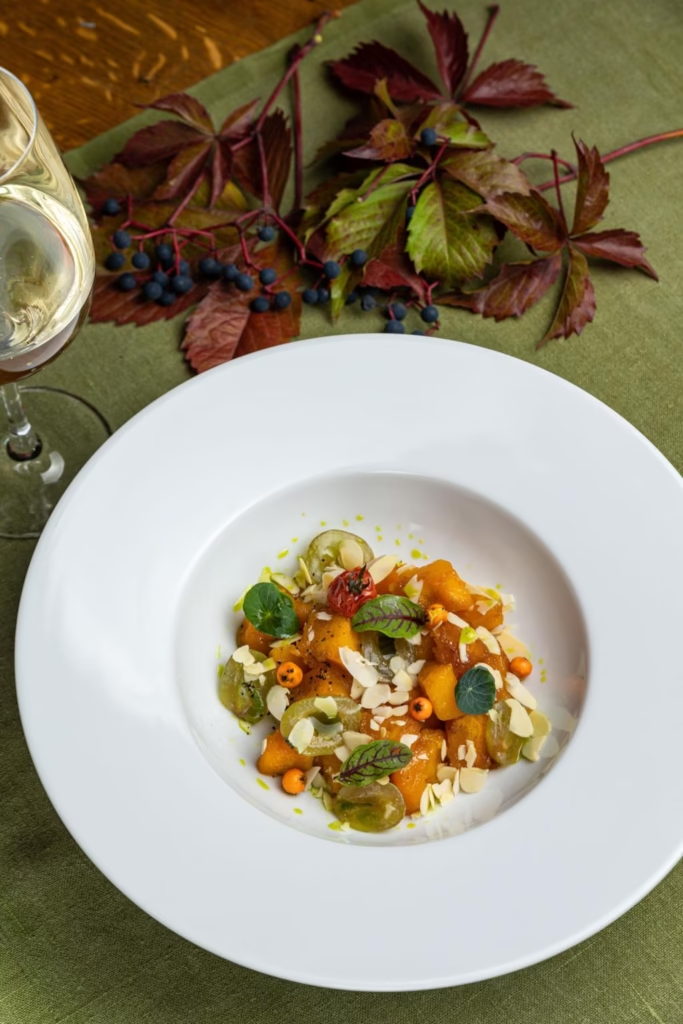
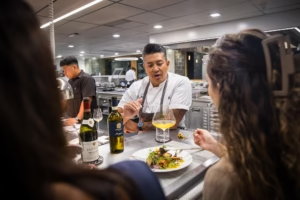
- Chef’s table experiences
- Open kitchen concepts
- Interactive tasting events
- Multi-course culinary journeys
- Destination dining settings
- Sensory-focused tasting rooms
In these environments, guests become participants rather than passive customers.
Luxury resorts have been particularly successful in this area. Many now offer experiences where guests harvest ingredients, participate in cooking sessions, and enjoy meals prepared with products gathered earlier in the day.
This level of involvement creates stronger emotional engagement and often leads to greater customer satisfaction.
How Luxury Resorts Are Transforming Culinary Travel
Food has become one of the primary drivers of leisure travel.
Many travelers now choose destinations specifically for culinary experiences rather than viewing dining as a secondary activity.
Luxury resorts are responding by investing heavily in food-focused programming.
Popular offerings include:
- Chef-led culinary tours
- Vineyard visits
- Cooking academies
- Regional food excursions
- Seafood harvesting experiences
- Artisan producer partnerships
For example, coastal resorts may offer guests opportunities to learn about sustainable fishing practices before enjoying a seafood tasting menu prepared by resident chefs.
Mountain destinations increasingly highlight local ranching, foraging, and seasonal ingredients as central components of their hospitality offerings.
The result is a more comprehensive travel experience that blends food, culture, education, and recreation.
The Growth of Private Chef Experiences
One of the fastest-growing segments in gourmet dining is the private chef market.
Consumers increasingly ask: Are private chefs only for the wealthy?
The answer is increasingly no.
While luxury private dining remains popular, many private chef services now cater to smaller groups, celebrations, and special occasions at more accessible price points.
Several factors are driving demand:
- Desire for privacy
- Customized menus
- Dietary flexibility
- Convenience
- Personalized interaction
- Unique event experiences
Private chefs can create highly tailored meals based on guest preferences, allergies, cultural influences, and dietary goals.
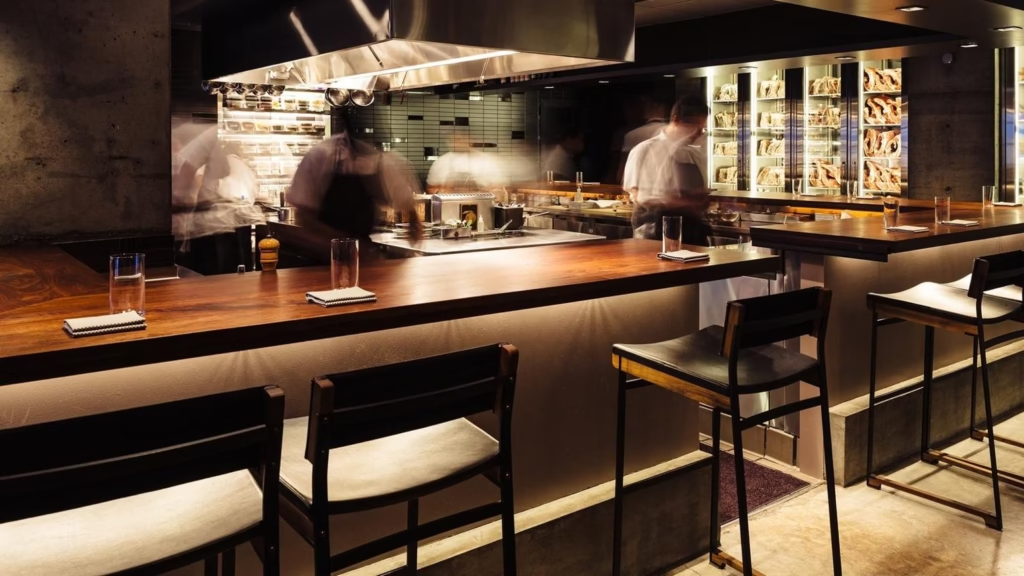
This level of customization is often difficult for traditional restaurants to match.
For many consumers, a private dining event offers a memorable alternative to restaurant reservations, particularly for birthdays, anniversaries, and family gatherings.
Technology Is Quietly Enhancing Gourmet Experiences
Technology is playing an increasingly important role in high-end hospitality, although often behind the scenes.
Rather than replacing human interaction, successful operators use technology to enhance personalization.
Examples include:
- Guest preference tracking
- Reservation customization
- Digital wine programs
- Inventory optimization
- Precision cooking systems
- AI-assisted menu planning
Restaurants can now remember guest preferences across visits, allowing staff to provide more personalized service.
Advanced kitchen technologies also help chefs maintain consistency while reducing waste and improving operational efficiency.
Importantly, most consumers still value genuine hospitality. Technology works best when it supports rather than replaces human connection.
Sustainability Has Become a Competitive Advantage
Sustainability is no longer an optional feature for many gourmet businesses.
Consumers increasingly evaluate hospitality brands based on environmental responsibility.
Common sustainability initiatives include:
- Local sourcing programs
- Composting systems
- Food waste reduction
- Energy-efficient operations
- Responsible seafood sourcing
- Reusable packaging solutions
Many chefs now view sustainability as a creative challenge rather than a limitation.
For example, whole-animal utilization programs encourage kitchens to use ingredients more efficiently while introducing diners to lesser-known cuts and preparations.
Similarly, vegetable-forward menus often showcase culinary creativity while reducing environmental impact.
The most successful programs integrate sustainability naturally into the dining experience rather than presenting it as a marketing message.
Why Personalization Is Becoming Essential
Personalization may be the most significant trend shaping the future of gourmet experiences.
Consumers increasingly expect experiences tailored to their preferences.
Personalization can take many forms:
- Customized tasting menus
- Wine pairing adjustments
- Dietary accommodations
- Interactive chef consultations
- Personalized celebrations
- Guest preference profiles
A diner celebrating an anniversary may receive a completely different experience from a guest visiting for a business dinner, even at the same restaurant.
This flexibility helps create memorable experiences that feel unique rather than standardized.
As competition increases across hospitality sectors, personalization is becoming a key differentiator.
What Consumers Should Look for When Choosing a Gourmet Experience
With so many options available, consumers often wonder how to identify truly worthwhile gourmet experiences.
Several indicators can help.
Look for experiences that demonstrate:
- Clear sourcing transparency
- Strong culinary leadership
- Authentic local connections
- Thoughtful service
- Consistent reviews
- Sustainable practices
- Educational value
- Meaningful storytelling
The most memorable gourmet experiences typically balance technical excellence with genuine hospitality.
A perfectly executed meal matters, but so does the feeling guests take with them after the experience ends.
Frequently Asked Questions
1. What qualifies as a gourmet experience?
A gourmet experience typically combines high-quality ingredients, skilled preparation, thoughtful presentation, exceptional service, and a unique or memorable dining environment.
2. Are gourmet experiences only found in fine dining restaurants?
No. Gourmet experiences can be found in casual restaurants, luxury resorts, private homes, wineries, culinary schools, and destination food events.
3. Why are chef’s table experiences becoming so popular?
They offer direct interaction with chefs, behind-the-scenes access, personalized service, and a deeper understanding of the culinary process.
4. Is farm-to-table dining still relevant?
Yes. Farm-to-table dining continues to evolve, with greater emphasis on sustainability, transparency, and regenerative agriculture.
5. How do luxury resorts use food to attract travelers?
Many resorts create culinary programs that include local food tours, cooking classes, producer visits, and destination-specific dining experiences.
6. Are private chef services becoming more affordable?
Many private chef offerings now accommodate smaller groups and special occasions, making them accessible to a broader range of consumers.
7. How important is sustainability in gourmet dining?
It has become a major factor influencing consumer decisions and business strategies throughout the hospitality industry.
8. What role does technology play in gourmet experiences?
Technology supports personalization, operational efficiency, inventory management, reservations, and guest preference tracking.
9. What makes a dining experience memorable?
Memorable experiences often combine exceptional food, storytelling, personalized service, atmosphere, and emotional connection.
10. What trends are likely to shape gourmet dining in the future?
Personalization, sustainability, experiential travel, culinary education, and immersive dining are expected to remain major influences.





Leave a Reply