
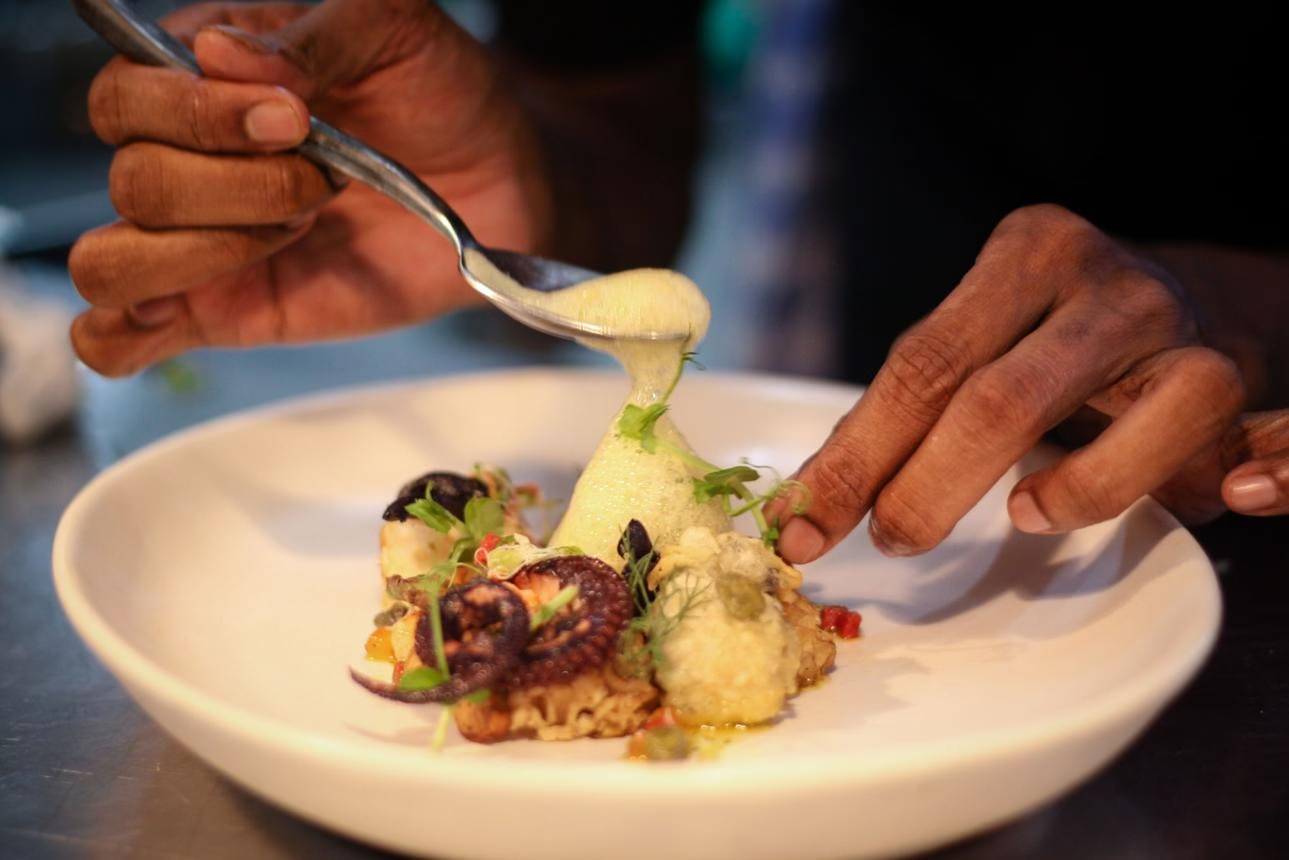
Americans are increasingly seeking gourmet experiences that go beyond simply eating out. From chef-driven tasting menus and regional culinary travel to immersive dining concepts and farm-to-table cuisine, consumers are prioritizing quality, authenticity, and memorable experiences. This shift reflects broader changes in lifestyle, travel, spending habits, and food culture, creating new opportunities for restaurants, chefs, and hospitality businesses across the United States.
The Evolution of Gourmet Dining in America
For decades, gourmet dining was often associated with formal fine-dining establishments, expensive tasting menus, and special occasions reserved for a small segment of consumers. Today, the landscape looks remarkably different.
Across the United States, gourmet experiences have become more accessible, diverse, and personalized. Consumers are no longer focused solely on luxury. Instead, they increasingly value authenticity, craftsmanship, storytelling, and memorable moments.
A gourmet experience can now include:
- A chef-led tasting menu in a major city
- A locally sourced farm dinner in rural America
- A culinary-focused vacation
- A neighborhood restaurant known for exceptional ingredients
- An immersive dining event combining food, art, and culture
- Private chef experiences hosted in homes or small venues
This broader definition reflects changing consumer expectations. People increasingly view dining as an experience rather than a transaction.
The restaurant industry has responded by emphasizing culinary creativity, sourcing transparency, and hospitality that feels personal rather than purely formal.
Why Americans Are Spending More on Experiences Than Ever
One of the biggest drivers behind the gourmet dining boom is the growing preference for experiences over possessions.
Research across multiple consumer studies has consistently shown that many Americans place higher value on memorable experiences than material purchases. Dining fits naturally into this trend because it combines social interaction, entertainment, culture, and personal enjoyment.
A gourmet meal often provides:
- Social connection
- Celebration opportunities
- Cultural exploration
- Educational value
- Lasting memories
- Shareable experiences
For many consumers, a thoughtfully curated meal creates more emotional value than a traditional retail purchase.
This mindset is especially prevalent among younger adults, who frequently prioritize travel, food experiences, and events as part of their discretionary spending.
The Rise of Culinary Tourism
Food has become one of the primary reasons people choose travel destinations.
Rather than simply visiting a city, travelers increasingly build entire itineraries around restaurants, local specialties, food festivals, wineries, breweries, and chef experiences.
Cities such as:
- New York City
- Chicago
- New Orleans
- Charleston
- Nashville
- Austin
have become culinary destinations in their own right.
Travelers frequently seek experiences that showcase regional identity. In Louisiana, that may mean exploring Creole and Cajun traditions. In Texas, it may involve visiting renowned barbecue establishments. In New England, seafood experiences often play a central role.
The result is a stronger connection between local culture and dining, benefiting both travelers and local businesses.
What Makes a Dining Experience Feel Exceptional?
Consumers often ask an important question:
What actually separates a gourmet experience from an ordinary restaurant meal?
The answer usually involves multiple factors working together rather than a single element.
Exceptional dining experiences typically feature:
Outstanding Ingredients
High-quality ingredients remain the foundation of great cuisine.
Many successful restaurants emphasize:
- Seasonal sourcing
- Local partnerships
- Sustainable production methods
- Traceable supply chains
- Fresh preparation techniques
Consumers increasingly appreciate understanding where ingredients originate and how they reach the table.
Culinary Skill and Creativity
Guests expect technical excellence, but they also appreciate innovation.
Modern chefs often balance:
- Traditional techniques
- Regional influences
- Contemporary presentation
- Cultural storytelling
- Ingredient-driven creativity
The most memorable meals frequently introduce diners to something new while remaining approachable.
Hospitality and Service
Even extraordinary food can be overshadowed by poor service.
Exceptional hospitality includes:
- Knowledgeable staff
- Personalized recommendations
- Attentiveness without intrusion
- Consistency
- Genuine warmth
Many diners remember how they were treated long after they forget specific menu items.
Atmosphere and Design
The physical environment contributes significantly to the overall experience.
Elements often include:
- Thoughtful lighting
- Comfortable seating
- Acoustics that support conversation
- Distinctive design
- Sense of place
Consumers increasingly seek environments that feel authentic rather than overly manufactured.
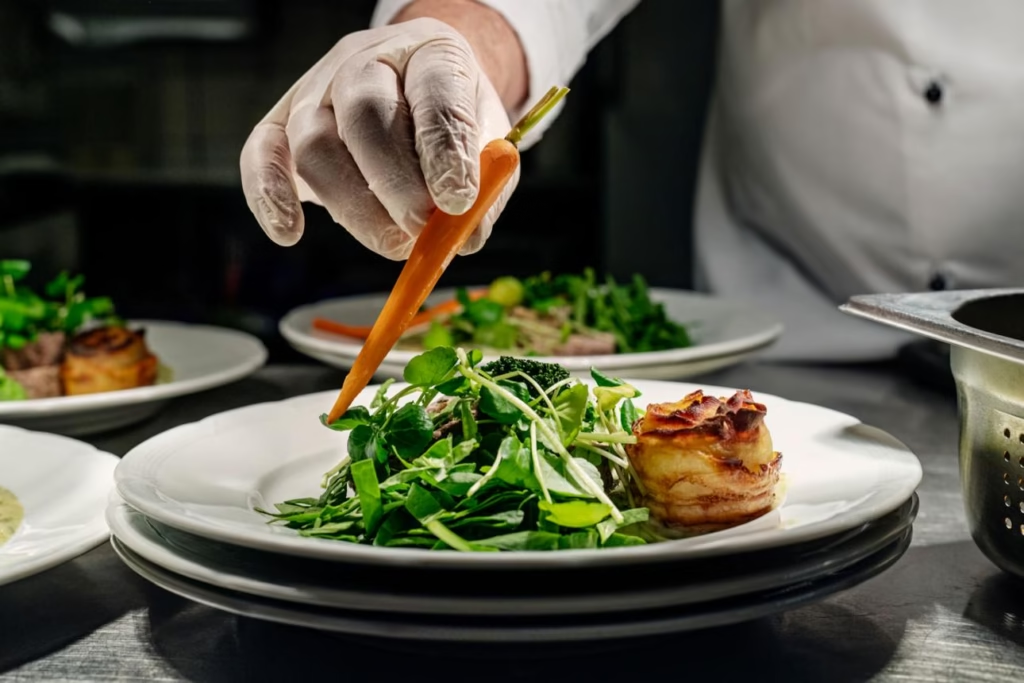
The Farm-to-Table Movement Continues to Influence Dining
Although farm-to-table dining has existed for years, its influence remains significant.
Consumers increasingly want transparency regarding:
- Ingredient origins
- Farming practices
- Sustainability efforts
- Seasonal availability
- Animal welfare standards
Restaurants that maintain strong relationships with local producers often gain trust from guests seeking authenticity.
A farm-to-table approach can also create more distinctive menus because offerings change with seasonal availability.
For diners, this often results in fresher ingredients and a stronger connection to local communities.
How Technology Is Changing Gourmet Experiences
Technology is playing a larger role in high-end dining than many consumers realize.
Today’s gourmet experiences often include:
Reservation Technology
Advanced reservation systems help restaurants manage demand while providing guests with a smoother booking experience.
Personalized Dining
Restaurants increasingly use customer data to understand preferences, dietary restrictions, and previous dining history.
This allows teams to provide more customized service.
Digital Storytelling
Many establishments use websites, social media, and digital content to share:
- Chef backgrounds
- Ingredient sourcing
- Culinary philosophies
- Behind-the-scenes preparation
Consumers often arrive with a deeper understanding of the restaurant before their first visit.
Contactless Convenience
Digital menus, mobile payments, and streamlined communication have improved operational efficiency while maintaining hospitality standards.
The Growing Popularity of Chef-Led Experiences
Today’s diners increasingly want direct connections with culinary talent.
As a result, chef-led experiences have become more common.
Examples include:
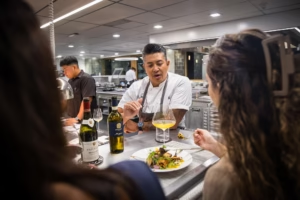
- Chef’s counter seating
- Interactive tasting menus
- Cooking demonstrations
- Private dining events
- Culinary workshops
- Guest chef collaborations
These experiences create opportunities for learning while making meals feel more personal and memorable.
For many consumers, understanding the story behind a dish enhances overall enjoyment.
Are Gourmet Experiences Only for High-Income Consumers?
Not necessarily.
One of the most important developments in modern dining is the democratization of gourmet experiences.
Consumers can now access high-quality culinary experiences across a wide range of budgets.
Examples include:
- Specialty food halls
- Artisan bakeries
- Elevated casual dining
- Local tasting events
- Pop-up restaurants
- Regional food festivals
A memorable gourmet experience may cost hundreds of dollars, but it can also be found in a carefully crafted meal that costs significantly less.
Quality and intentionality often matter more than luxury alone.
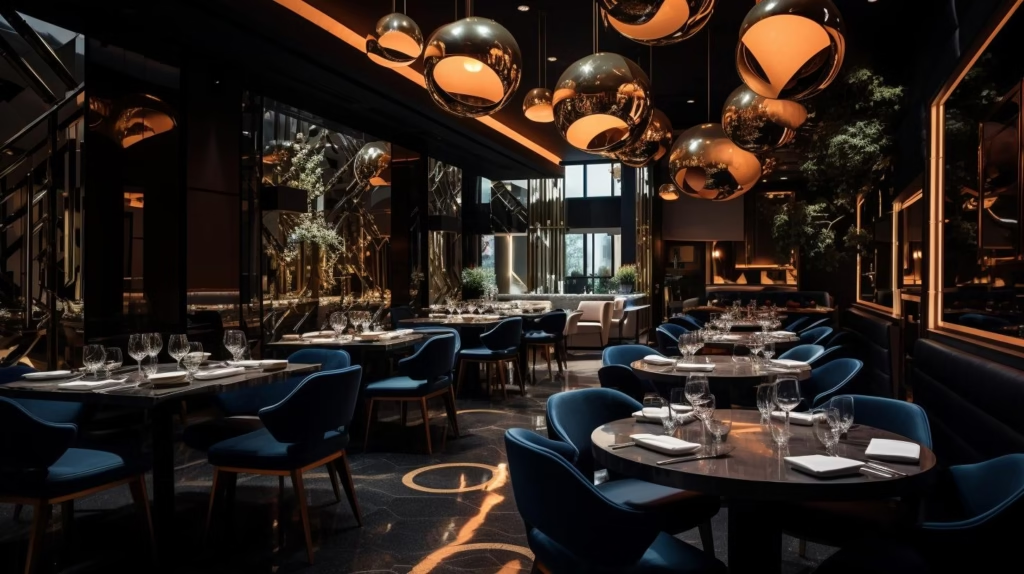
Sustainability Is Becoming a Major Decision Factor
Environmental considerations increasingly influence dining choices.
Many consumers now evaluate restaurants based on:
- Local sourcing
- Food waste reduction
- Sustainable seafood practices
- Energy-efficient operations
- Responsible packaging
- Ethical supply chains
Restaurants that communicate these efforts clearly often build stronger relationships with environmentally conscious guests.
Importantly, sustainability is increasingly viewed not as a marketing strategy but as a core operational responsibility.
Social Media’s Influence on Dining Culture
Social media has transformed how people discover restaurants and culinary experiences.
Platforms frequently serve as:
- Discovery tools
- Recommendation engines
- Visual inspiration sources
- Review platforms
- Travel planning resources
However, successful gourmet experiences typically rely on more than visual appeal.
Consumers increasingly recognize the difference between restaurants designed primarily for photography and those focused on long-term culinary excellence.
The establishments that thrive tend to balance presentation with substance.
What Should Consumers Look for When Choosing a Gourmet Experience?
Many people wonder how to identify worthwhile dining experiences before making a reservation.
Consider evaluating:
Reputation
Look beyond ratings alone.
Read detailed reviews discussing:
- Food quality
- Service consistency
- Atmosphere
- Value
Culinary Identity
The strongest restaurants usually have a clear point of view rather than trying to appeal to everyone.
Ingredient Philosophy
Restaurants that discuss sourcing practices often demonstrate greater commitment to quality.
Menu Design
A focused menu can indicate confidence and specialization.
Staff Knowledge
Knowledgeable hospitality teams frequently enhance the overall experience.
Authenticity
Look for establishments that reflect genuine culinary values rather than temporary trends.
Frequently Asked Questions
1. What is considered a gourmet dining experience?
A gourmet dining experience typically emphasizes exceptional ingredients, skilled preparation, thoughtful presentation, attentive service, and a memorable atmosphere.
2. Are gourmet restaurants always expensive?
No. While some gourmet establishments are costly, many offer accessible menus, tasting events, and specialty dishes at moderate price points.
3. Why are Americans increasingly interested in gourmet experiences?
Consumers are prioritizing experiences, authenticity, travel, and memorable social activities, making dining a natural area for increased spending.
4. What is culinary tourism?
Culinary tourism involves traveling specifically to explore food, beverages, restaurants, culinary traditions, and local food culture.
5. Is farm-to-table food healthier?
Not necessarily in every case, but farm-to-table approaches often emphasize freshness, seasonality, and ingredient transparency.
6. How can I find quality gourmet restaurants?
Research chef backgrounds, sourcing practices, detailed reviews, local awards, and recommendations from trusted food publications.
7. What role does sustainability play in modern dining?
Many diners now consider environmental responsibility, ethical sourcing, and waste reduction when choosing where to eat.
8. Are tasting menus worth trying?
For many diners, tasting menus provide opportunities to explore a chef’s creativity and experience a wider range of dishes than a traditional meal.
9. How has technology improved restaurant experiences?
Technology has enhanced reservations, personalization, communication, and convenience while helping restaurants operate more efficiently.
10. Can casual restaurants provide gourmet experiences?
Absolutely. Gourmet experiences are increasingly available in casual settings where chefs focus on quality ingredients, craftsmanship, and hospitality.





Leave a Reply