
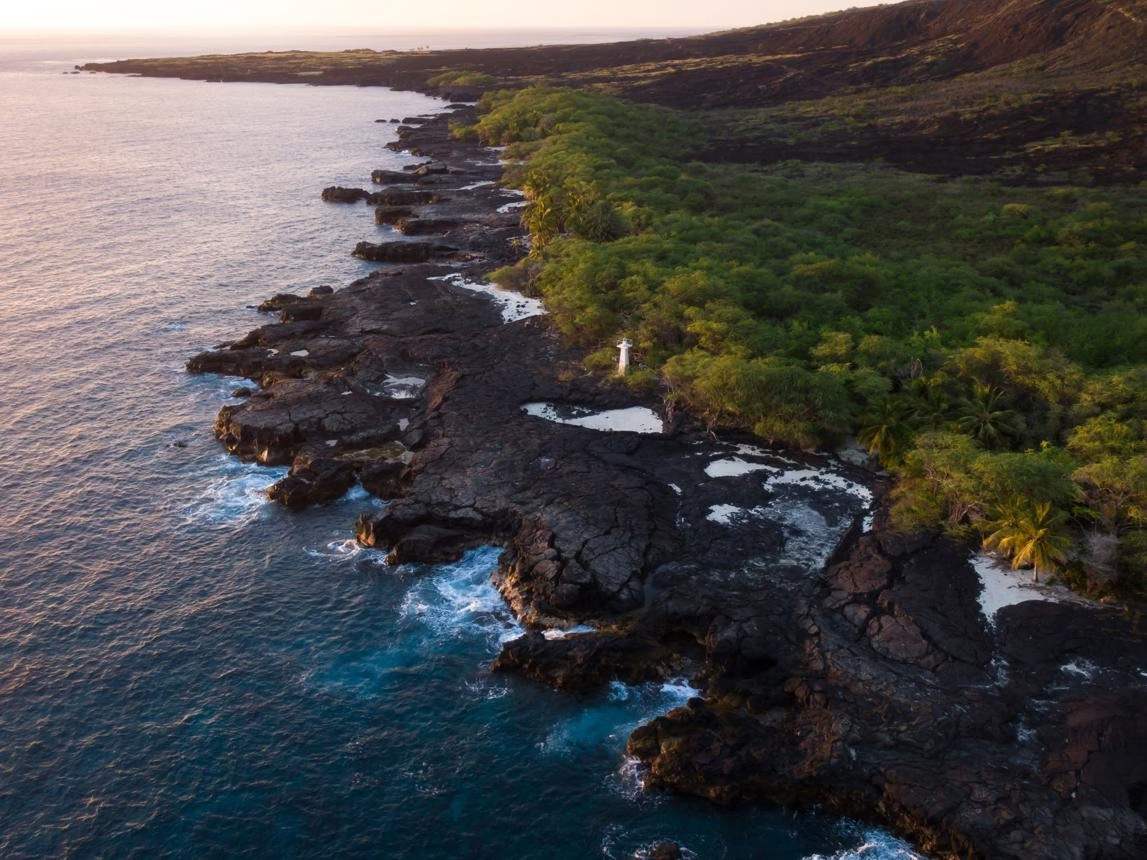
America’s islands offer far more than scenic coastlines and vacation appeal. From remote wilderness areas and historic communities to rapidly evolving tourist destinations, islands reveal how culture, ecology, economics, and climate change intersect. Exploring these unique places provides valuable insights into conservation, local traditions, resilience, and the ways communities adapt to changing environmental and social realities across the United States.
Why America’s Islands Matter More Than Many People Realize
When most Americans think about islands, images of tropical beaches, vacation resorts, and waterfront relaxation often come to mind. Yet the United States is home to thousands of islands that serve as living laboratories for understanding history, environmental stewardship, economic development, and cultural identity.
From the rugged islands of Alaska to the subtropical landscapes of Florida and Hawaii, these destinations reveal how geography shapes communities. They preserve traditions that might otherwise disappear, protect critical wildlife habitats, and often become early indicators of environmental change.
Many islands exist in a delicate balance. Their economies may depend heavily on tourism, fishing, transportation, or natural resource management. Their ecosystems can be highly sensitive to development pressures. At the same time, they frequently attract people seeking a stronger connection to nature and a slower pace of life.
As Americans increasingly prioritize meaningful travel experiences, islands have become places where visitors can gain a deeper understanding of both local culture and broader national challenges.
Islands as Guardians of American History
Some of America’s most fascinating islands function as historical archives that tell stories spanning centuries.

Preserving Immigration Stories
Perhaps no island symbolizes the American experience more strongly than Ellis Island. Millions of immigrants entered the United States through its facilities, making it one of the nation’s most significant historical landmarks.
Today, visitors gain a tangible understanding of how immigration shaped American society. The preserved records, exhibits, and architecture connect modern generations to family histories and national identity.
Living Cultural Landscapes
Other islands preserve traditions that remain active rather than simply memorialized.
On islands along the Georgia coast, descendants of formerly enslaved communities continue cultural practices that trace back generations. Local storytelling, cuisine, craftsmanship, and language traditions demonstrate how island geography can help preserve unique cultural identities over long periods.
Historic Transportation and Commerce
Islands also reveal how transportation influenced American development. Places such as Mackinac Island offer glimpses into earlier eras, where automobiles remain largely absent and horse-drawn transportation continues to play a prominent role.
These environments allow visitors to experience a pace of life increasingly rare in modern America.
Nature Thrives in Island Ecosystems
One of the most compelling aspects of island environments is their ecological diversity.
Because islands often develop in relative isolation, they can support species and habitats that differ significantly from nearby mainland regions.
Unique Wildlife Habitats
Many islands serve as essential breeding grounds and migration stops for birds, marine mammals, and other wildlife.
Examples include:
- Coastal bird nesting colonies along the Atlantic seaboard
- Sea turtle habitats in the Southeast
- Marine mammal populations in Alaska
- Protected coral ecosystems in Hawaii and Florida
Scientists frequently use island ecosystems to study biodiversity and environmental health because changes often become visible more quickly than on the mainland.
National Parks and Protected Areas
Several of America’s most celebrated natural destinations are island-based.

Places such as Channel Islands National Park and Isle Royale National Park provide opportunities to observe ecosystems that remain relatively undisturbed.
Visitors often report that these destinations feel dramatically different from mainland parks due to their isolation and distinct ecological character.
What Islands Teach Us About Climate Change
Few places illustrate environmental change more clearly than islands.
Because many communities exist close to sea level, they often experience the effects of shifting environmental conditions earlier and more visibly than inland areas.
Rising Seas and Coastal Adaptation
Across the United States, island communities face increasing challenges related to:
- Coastal erosion
- Flooding
- Saltwater intrusion
- Infrastructure vulnerability
- Habitat loss
Local governments and conservation organizations are experimenting with adaptation strategies that may eventually inform broader coastal planning efforts nationwide.
Lessons in Resilience
Many island residents have developed practical approaches to resilience.
These include:
- Elevated construction techniques
- Wetland restoration projects
- Sustainable water management systems
- Emergency preparedness planning
- Community-based conservation programs
As climate-related challenges become more widespread, lessons learned on islands may prove valuable for coastal cities across the country.
The Evolution of Island Economies
Island economies often reveal larger economic trends occurring throughout America.
Historically, many islands depended heavily on industries such as fishing, shipping, agriculture, or military activity. Today, tourism increasingly plays a dominant role.
The Rise of Experience-Based Travel
Modern travelers frequently seek experiences rather than simple sightseeing opportunities.
Island destinations have responded by offering:
- Ecotourism excursions
- Wildlife observation programs
- Historical interpretation tours
- Local food experiences
- Outdoor adventure activities
Visitors increasingly want authentic interactions with communities and environments rather than standardized vacation packages.
Balancing Tourism and Preservation
Success can create challenges.
Popular destinations often face questions about:
- Housing affordability
- Infrastructure strain
- Environmental impacts
- Resource management
- Preservation of local culture
Communities must carefully balance economic opportunities with long-term sustainability goals.
Many island leaders now emphasize responsible tourism models designed to protect natural and cultural resources while supporting local livelihoods.
Why Island Communities Often Feel Different
One reason visitors are drawn to islands is the distinct sense of place they often provide.
Geographic separation can foster strong community identity and encourage traditions that differ from nearby mainland regions.
Social Connections
Residents frequently develop close-knit networks shaped by shared challenges and limited resources.
These conditions can encourage:
- Community cooperation
- Local entrepreneurship
- Volunteerism
- Cultural preservation
- Strong civic engagement
While every island community differs, many share a heightened awareness of their dependence on both natural resources and one another.

Distinctive Food Traditions
Food often serves as one of the clearest expressions of island culture.
Regional specialties frequently reflect:
- Local fisheries
- Indigenous influences
- Immigrant traditions
- Seasonal availability
- Historical trade routes
Whether in New England, Hawaii, Alaska, or the Southeast, island cuisine offers insights into both geography and history.
America’s Most Fascinating Island Destinations
While hundreds of islands deserve attention, several stand out for their unique combination of culture, nature, and historical significance.
Noteworthy Examples
Kauai, Hawaii
Known for dramatic landscapes, biodiversity, and deep cultural traditions, Kauai demonstrates the relationship between environmental stewardship and tourism.
Kodiak Island, Alaska
Home to remarkable wildlife populations and fishing industries, Kodiak highlights the connections between natural resources and community identity.
Block Island, Rhode Island
This small island offers a compelling example of coastal conservation and sustainable tourism management.
Amelia Island, Florida
Its layered history reflects influences from multiple nations while showcasing ongoing preservation efforts.
Each destination reveals different aspects of the American experience while maintaining a distinct local character.
What Travelers Can Learn From Visiting Islands
For many travelers, island visits become educational experiences rather than simple vacations.
Visitors often gain a stronger appreciation for:
- Environmental conservation
- Regional history
- Cultural diversity
- Sustainable tourism practices
- Community resilience
Experiences that involve guided nature walks, local museums, cultural programs, and conservation initiatives can provide a richer understanding of the forces shaping these communities.
Rather than merely observing beautiful landscapes, travelers become witnesses to ongoing stories of adaptation and preservation.
Frequently Asked Questions
1. Why are islands important to American culture?
Islands preserve unique histories, traditions, languages, and community identities that contribute significantly to the broader American cultural landscape.
2. Which U.S. islands are best for nature lovers?
Popular choices include Channel Islands National Park, Isle Royale National Park, Kauai, Kodiak Island, and the Florida Keys.
3. How does climate change affect island communities?
Climate change can contribute to rising sea levels, increased flooding, coastal erosion, habitat loss, and infrastructure challenges.
4. Are all American islands tourist destinations?
No. Many islands are residential communities, wildlife refuges, research sites, military facilities, or protected conservation areas.
5. What makes island ecosystems unique?
Isolation often allows distinct species, habitats, and ecological relationships to develop over time.
6. Why do island cultures often feel different from mainland cultures?
Geographic separation can encourage unique traditions, stronger local identities, and distinctive social dynamics.
7. Which island destinations best combine history and nature?
Mackinac Island, Ellis Island, Amelia Island, and several national park islands offer strong combinations of historical and environmental significance.
8. How can travelers support sustainable island tourism?
Visitors can support local businesses, follow conservation guidelines, reduce waste, respect cultural traditions, and participate in responsible tourism activities.
9. Are island communities more vulnerable to environmental changes?
In many cases, yes. Their location and limited land area can make environmental impacts more visible and immediate.
10. What can mainland communities learn from islands?
Island communities often demonstrate innovative approaches to resilience, resource management, conservation, and community cooperation.





Leave a Reply