
Fine dining in America is undergoing a significant transformation. Today’s gourmet experiences prioritize creativity, sustainability, cultural authenticity, and guest engagement as much as traditional luxury. Driven by changing consumer preferences, technological innovation, global culinary influences, and evolving dining habits, restaurants are redefining what premium dining means. The result is a more accessible, personalized, and experience-focused culinary landscape that continues to shape the future of American food culture.
A New Chapter for American Fine Dining
For decades, fine dining in the United States followed a relatively predictable formula. White tablecloths, formal service, expensive wine lists, and classic European influences dominated the industry’s highest tiers. While many of these traditions remain respected, today’s gourmet dining landscape looks remarkably different.
Across major cities and emerging culinary destinations alike, diners are seeking experiences that go beyond luxury for its own sake. They want memorable stories, innovative flavors, meaningful connections to ingredients, and a deeper understanding of the people behind the food.
This shift reflects broader cultural changes. Consumers increasingly value authenticity, sustainability, personalization, and experiential spending. According to industry reports from organizations such as the National Restaurant Association, dining experiences remain one of the most valued discretionary spending categories, particularly among younger consumers who prioritize experiences over material purchases.
As a result, gourmet dining is evolving into something more dynamic, inclusive, and innovative than ever before.
Why Americans Are Redefining the Meaning of Gourmet
Modern diners no longer associate gourmet experiences solely with expensive ingredients or formal settings. Instead, they increasingly evaluate quality through a broader lens.
Today’s guests often look for:
- Culinary creativity
- Ingredient transparency
- Sustainable sourcing
- Local and seasonal menus
- Cultural authenticity
- Unique dining environments
- Personalized service
- Memorable storytelling
A meal can now feel gourmet whether it takes place in a Michelin-starred dining room, a chef-driven neighborhood restaurant, or an intimate tasting event hosted on a working farm.
This expanded definition has opened opportunities for chefs to experiment with concepts that would have been considered unconventional in fine dining just a decade ago.
For example, tasting menus featuring regional Southern ingredients, Indigenous culinary traditions, Appalachian products, or immigrant food influences are gaining recognition alongside more traditional luxury cuisines.
The focus has shifted from exclusivity alone to meaningful culinary experiences.
The Rise of Experiential Dining
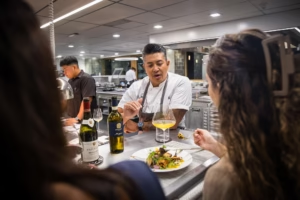
One of the most important developments in modern fine dining is the growing emphasis on experience.
Consumers increasingly seek memorable moments rather than simply excellent food.
Experiential dining often includes:
- Chef’s table interactions
- Open kitchens
- Multi-sensory presentations
- Interactive courses
- Story-driven tasting menus
- Farm-to-table visits
- Culinary workshops
- Food and beverage pairings
The success of these formats reflects broader consumer behavior trends. Studies across hospitality and travel industries consistently show that consumers place increasing value on experiences that create lasting memories.
A chef’s explanation of a dish’s origin, a direct conversation with farmers, or a guided tasting can significantly enhance perceived value beyond the food itself.
Restaurants understand this shift and are designing entire concepts around engagement rather than traditional service models.
Culinary Innovation Is Expanding Possibilities
Innovation has become one of the defining characteristics of contemporary gourmet dining.
Chefs today have access to an unprecedented range of ingredients, techniques, and technologies. While molecular gastronomy once captured public attention, today’s innovation often focuses on improving flavor, sustainability, and guest experience rather than creating visual spectacle alone.
Several trends are driving this evolution.
Advanced Culinary Techniques
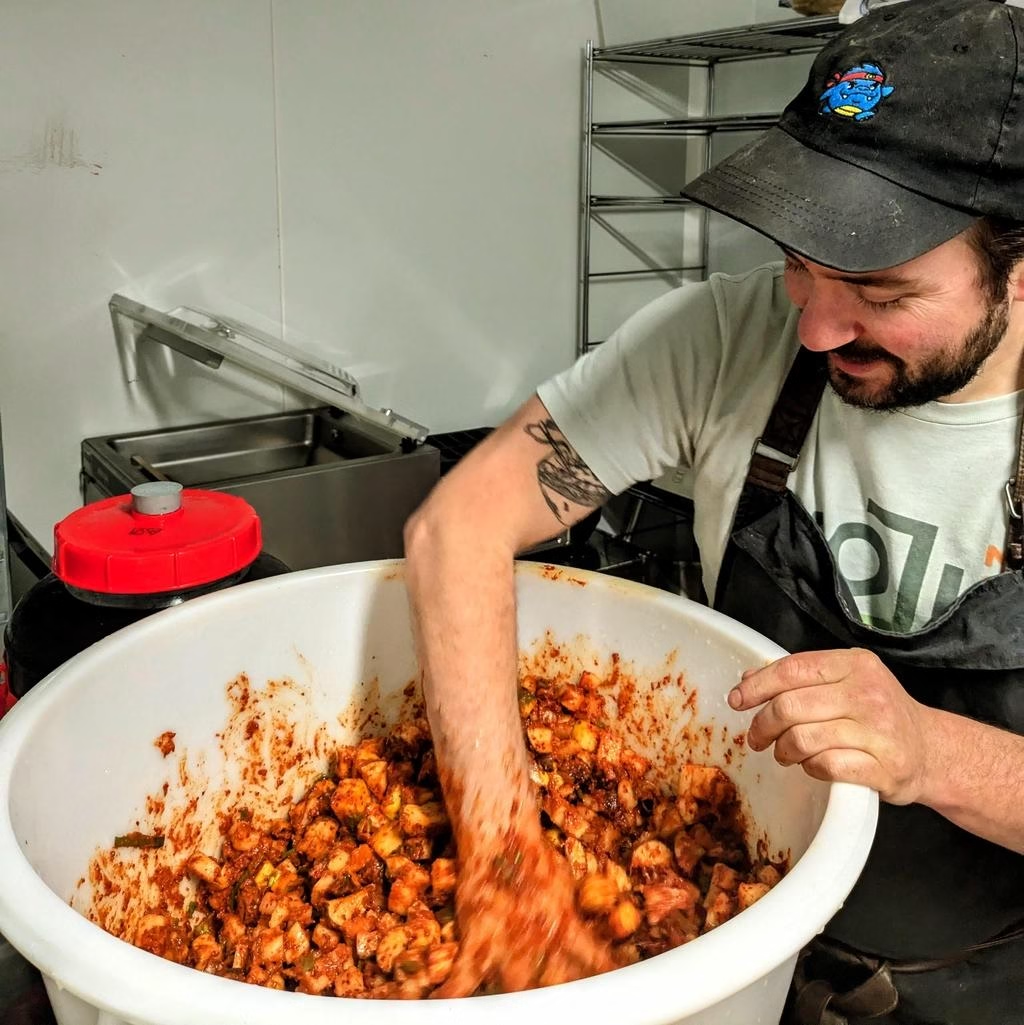
Modern kitchens increasingly use:
- Precision cooking methods
- Fermentation programs
- Dry-aging techniques
- Specialized preservation methods
- Temperature-controlled preparation systems
These approaches allow chefs to maximize flavor while reducing waste and improving consistency.
Global Ingredient Access
American chefs now draw inspiration from culinary traditions worldwide.
Ingredients once considered niche have become increasingly common, including:
- Japanese fermentation products
- African spice blends
- Latin American heritage ingredients
- Southeast Asian herbs
- Middle Eastern flavor profiles
Rather than simply borrowing flavors, many chefs are collaborating directly with cultural experts and producers to ensure authenticity and respect.
Data-Informed Menu Development
Restaurants increasingly use guest feedback, reservation trends, and sales data to refine offerings.
This information helps operators better understand customer preferences while maintaining creativity and innovation.
The result is a dining experience that feels both artistic and responsive to evolving consumer interests.
Sustainability Has Become a Premium Feature
Not long ago, sustainability was often viewed as a niche concern. Today, it has become a central pillar of gourmet dining.
Many consumers actively consider environmental impact when choosing where to dine. Restaurants have responded by integrating sustainable practices throughout their operations.
Key initiatives include:
- Local sourcing partnerships
- Seasonal menu development
- Food waste reduction programs
- Responsible seafood sourcing
- Regenerative agriculture support
- Composting initiatives
- Energy-efficient kitchen systems
Many chefs now highlight their supplier relationships as prominently as their culinary credentials.
Guests increasingly appreciate knowing where ingredients originate and how they were produced.
A restaurant’s commitment to sustainability can enhance its reputation while strengthening connections with local communities and producers.
Regional American Cuisine Is Experiencing a Renaissance
Another notable shift is renewed interest in regional American culinary traditions.
For years, international influences often dominated conversations about fine dining. Today, many chefs are rediscovering the richness of local food heritage.
Examples include:
- Gulf Coast seafood traditions
- Appalachian cooking techniques
- Indigenous ingredients
- Lowcountry cuisine
- Southwestern culinary heritage
- Great Lakes fisheries
- Pacific Northwest foraging traditions
These regional influences help create uniquely American gourmet experiences.
Rather than imitating global luxury dining models, chefs are building menus that celebrate local identity and history.
This approach resonates strongly with diners seeking authenticity and a sense of place.
Technology’s Growing Role in Fine Dining
Technology is influencing gourmet dining in ways both visible and invisible.
Behind the scenes, advanced inventory systems, predictive analytics, and reservation management tools help restaurants operate more efficiently.
For guests, technology can enhance convenience without diminishing hospitality.
Examples include:
- Seamless reservation platforms
- Digital wine inventories
- Personalized guest profiles
- Contactless payment systems
- Interactive menu experiences
Some establishments are even using artificial intelligence to analyze guest preferences and improve service personalization.
However, the most successful restaurants balance technology with human interaction.
Fine dining remains fundamentally about hospitality, and technology works best when it supports rather than replaces meaningful guest experiences.
How Younger Diners Are Reshaping the Industry
Millennials and Generation Z have become influential forces in the restaurant industry.
These demographics often approach dining differently than previous generations.
Their priorities frequently include:
- Authentic experiences
- Sustainability
- Diverse culinary perspectives
- Transparency
- Social connection
- Ethical sourcing
- Flexible dining formats
Interestingly, younger consumers often view gourmet dining as an occasional experience worth investing in rather than a status symbol.
They are less interested in rigid traditions and more interested in restaurants that offer originality and meaningful value.
As a result, many fine dining establishments have adopted more relaxed atmospheres while maintaining exceptional culinary standards.
The combination of accessibility and excellence is helping broaden the appeal of gourmet dining.
The Expansion of Chef-Led Storytelling
Storytelling has become a powerful tool within modern gastronomy.
Today’s diners increasingly want to understand the inspiration behind what they are eating.
Successful chefs frequently share stories about:
- Family traditions
- Cultural influences
- Ingredient origins
- Local partnerships
- Personal culinary journeys
- Historical food practices
These narratives create emotional connections that deepen the dining experience.
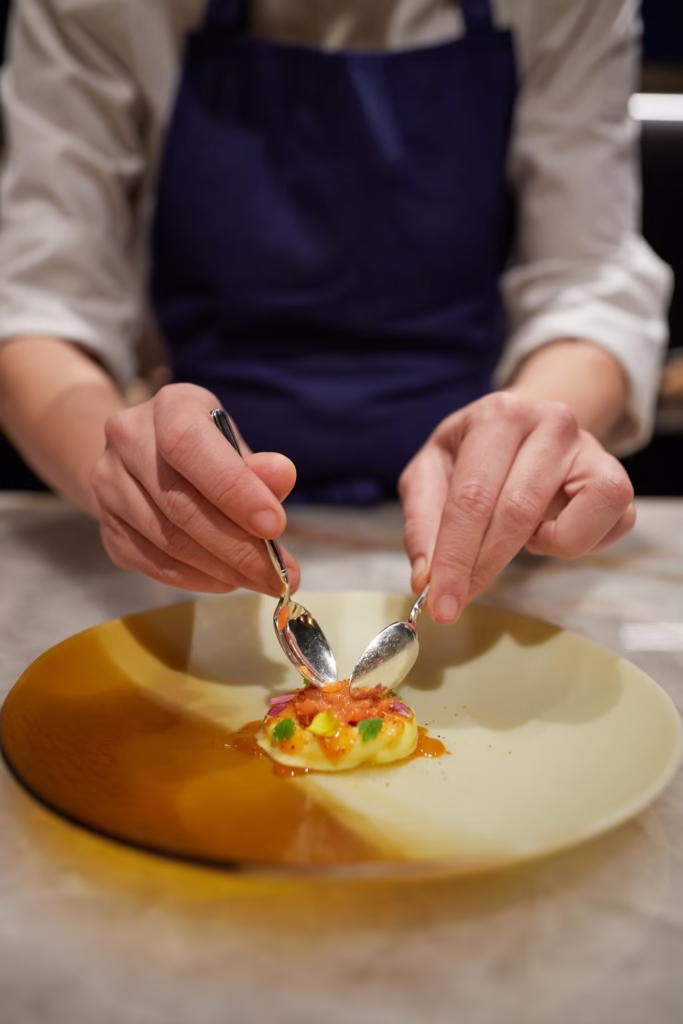
A thoughtfully presented dish becomes more than a combination of ingredients. It becomes part of a broader story involving farmers, communities, traditions, and innovation.
This storytelling element often distinguishes memorable gourmet experiences from technically excellent but emotionally disconnected meals.
What Makes a Gourmet Experience Worth the Cost?
One of the most common questions consumers ask is whether premium dining experiences justify their higher prices.
The answer depends largely on what diners value.
A meaningful gourmet experience typically delivers multiple layers of value:
- Exceptional culinary execution
- High-quality ingredients
- Skilled hospitality
- Unique atmosphere
- Educational opportunities
- Personal engagement
- Memorable experiences
For many guests, the combination of these factors creates value that extends beyond the meal itself.
The most successful restaurants understand that guests are not simply purchasing food. They are investing in an experience that combines craftsmanship, culture, and hospitality.
Challenges Facing Modern Fine Dining
Despite its evolution, the industry faces significant challenges.
Restaurants continue to navigate:
- Rising labor costs
- Supply chain fluctuations
- Ingredient inflation
- Workforce shortages
- Changing consumer expectations
- Increased competition
At the same time, maintaining consistent quality while pursuing innovation requires substantial expertise and operational discipline.
Many operators are responding by adopting more flexible business models, diversifying revenue streams, and investing in staff development.
The restaurants that thrive will likely be those that balance creativity with operational excellence.
Frequently Asked Questions
1. What defines a gourmet dining experience today?
Modern gourmet dining combines exceptional food, thoughtful hospitality, quality ingredients, creativity, and memorable experiences rather than relying solely on luxury or formality.
2. Is fine dining becoming more casual?
Yes. Many restaurants now embrace relaxed environments while maintaining high culinary standards and professional service.
3. Why is sustainability important in gourmet restaurants?
Consumers increasingly value responsible sourcing, waste reduction, and environmental stewardship, making sustainability an important component of modern hospitality.
4. Are tasting menus still popular?
Yes. Tasting menus remain highly popular because they allow chefs to showcase creativity, storytelling, and seasonal ingredients.
5. How has technology changed fine dining?
Technology improves reservations, personalization, inventory management, guest communication, and operational efficiency while supporting better customer experiences.
6. What role does local sourcing play?
Local sourcing helps improve freshness, support communities, reduce transportation impacts, and create distinctive regional dining experiences.
7. Why are regional American cuisines gaining attention?
Consumers increasingly seek authentic experiences connected to local culture, history, and culinary traditions.
8. Are younger consumers interested in fine dining?
Yes. Millennials and Gen Z often value unique dining experiences, sustainability, and authenticity, making them important drivers of industry change.
9. What is experiential dining?
Experiential dining focuses on creating memorable interactions through storytelling, chef engagement, immersive environments, and educational elements.
10. What trends may shape the future of gourmet dining?
Greater personalization, sustainability initiatives, regional culinary exploration, technology integration, and immersive dining experiences are likely to remain influential.





Leave a Reply