
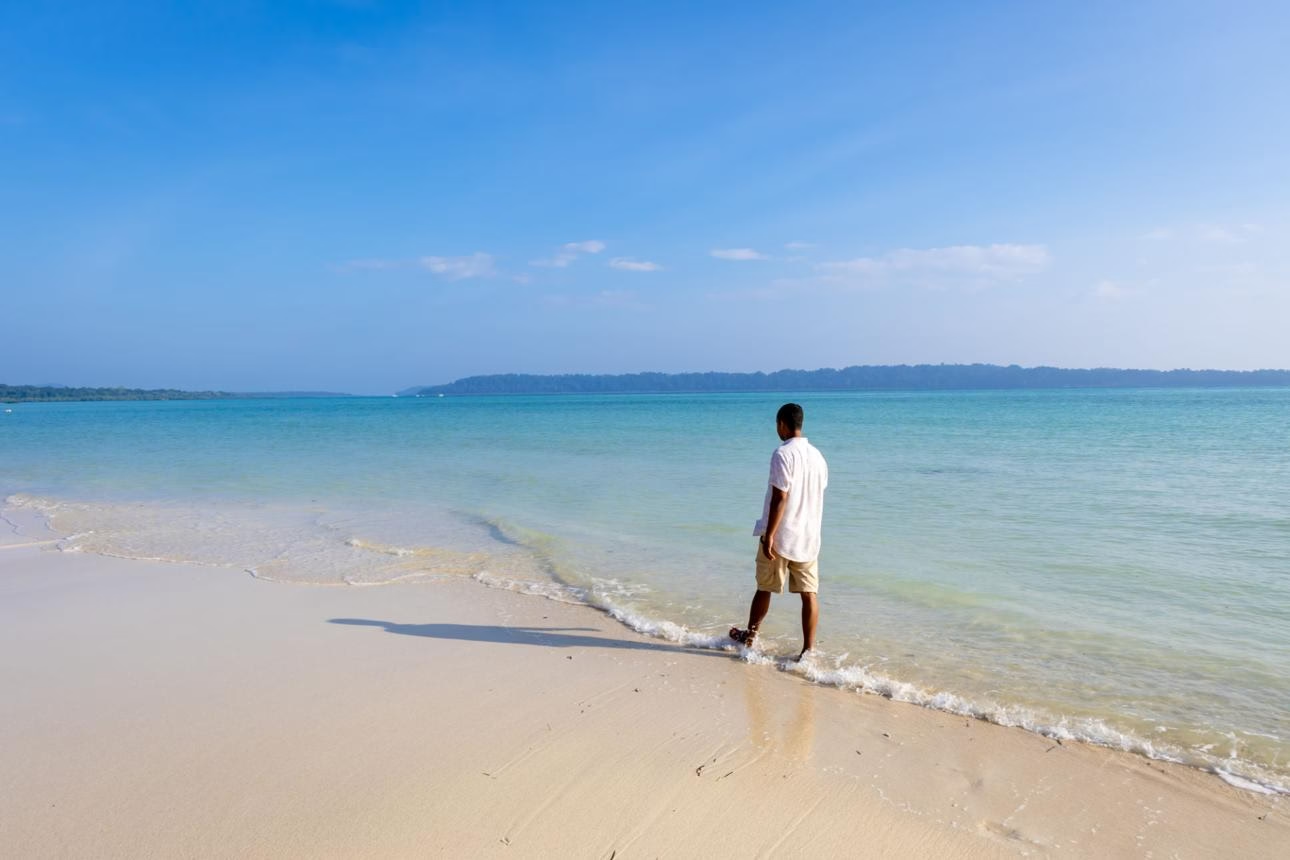
Across the United States, interest in island destinations has expanded beyond traditional tropical vacations. Americans are increasingly drawn to islands for relaxation, remote work, outdoor recreation, wellness, and a slower pace of life. This growing fascination reflects broader lifestyle shifts, changing travel priorities, and a desire to disconnect from daily pressures while reconnecting with nature, community, and meaningful experiences.
Why Islands Are Capturing America’s Attention
For generations, islands have represented escape. Whether it was a honeymoon in Hawaii, a family trip to the Florida Keys, or a summer getaway to Nantucket, islands often symbolized freedom from everyday routines. Today, however, the attraction runs deeper than simple vacation planning.
Americans are increasingly seeking experiences that provide mental clarity, reduced stress, and stronger connections to nature. In an era dominated by constant notifications, crowded cities, and demanding work schedules, islands offer something many travelers feel is becoming rare: space.
The appeal extends beyond luxury travel. From remote barrier islands along the Atlantic coast to lake islands in the Midwest and rugged destinations in Alaska, travelers are discovering that island experiences can be accessible, diverse, and surprisingly practical.
The trend aligns with broader changes in consumer behavior. Research from travel industry organizations consistently shows growing interest in nature-based tourism, experiential travel, and wellness-focused vacations. Islands often combine all three in a single destination.
The Psychology Behind the Search for Escape
One reason islands hold such strong appeal is psychological separation.
Unlike many mainland destinations, islands create a clear boundary between everyday life and leisure. Crossing a bridge, boarding a ferry, or taking a short flight creates a physical transition that helps travelers mentally disconnect from responsibilities.
Behavioral researchers have long noted that environmental changes can influence stress levels and cognitive recovery. Natural settings featuring water, open horizons, and slower activity patterns often contribute to feelings of relaxation and restoration.
Many travelers describe a similar experience when arriving on an island:
- Time feels slower.
- Daily schedules become less rigid.
- Digital distractions seem less important.
- Outdoor activities replace screen-based entertainment.
- Social interactions feel more personal.
These experiences help explain why island vacations often generate stronger emotional memories than other types of travel.
Islands as Lifestyle Aspirations
Interestingly, America’s fascination with islands is not limited to vacations.
Many people now view island communities as examples of alternative lifestyles that prioritize balance, simplicity, and quality of life. This shift became particularly noticeable following the widespread adoption of remote and hybrid work arrangements.
Workers who once needed to live near major business centers began exploring destinations that offered:
- Lower stress levels
- Access to outdoor recreation
- Smaller communities
- Walkable environments
- Stronger connections to local culture
As a result, some islands have experienced growing interest from remote workers, retirees, entrepreneurs, and long-term travelers.
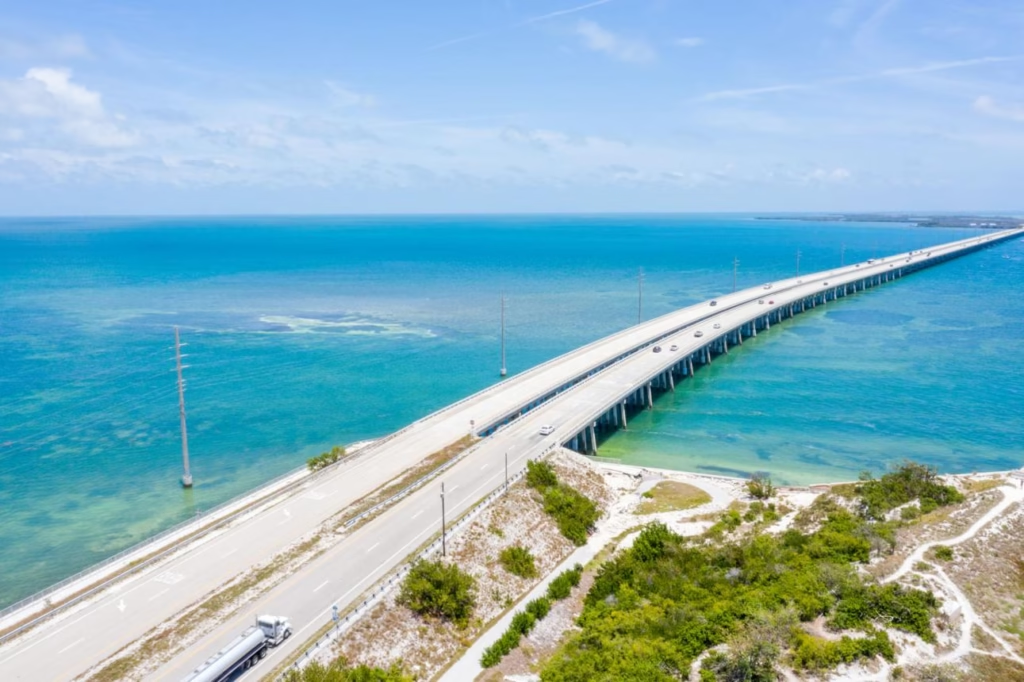
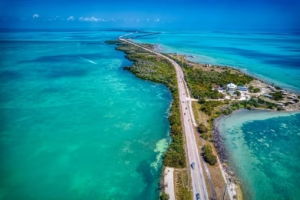
Places such as the Florida Keys, islands off the coast of Washington State, and parts of Hawaii have attracted individuals looking to blend professional responsibilities with a more relaxed lifestyle.
For many Americans, islands represent not only where they want to vacation but also how they want to live.
The Rise of Domestic Island Tourism
While international island destinations remain popular, domestic island travel has experienced notable growth.
Several factors have contributed to this trend:
Accessibility
Many Americans are discovering island destinations closer to home. Instead of planning complex international trips, travelers can access island experiences within a few hours of major metropolitan areas.
Examples include:
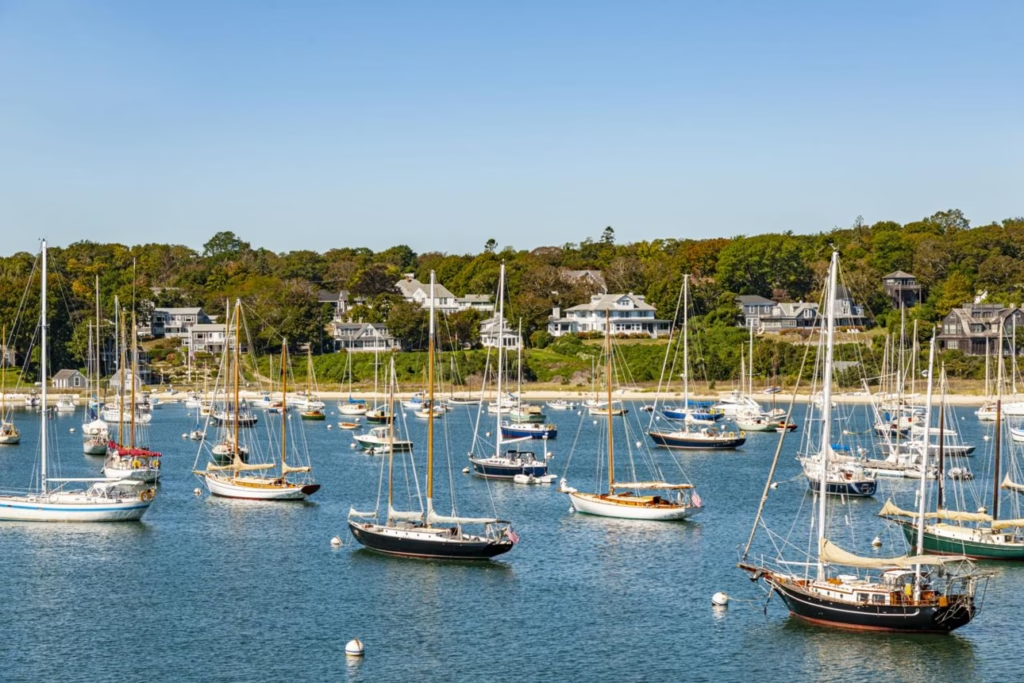
- Martha’s Vineyard in Massachusetts
- Mackinac Island in Michigan
- San Juan Island in Washington
- Amelia Island in Florida
- Catalina Island in California
These destinations provide many of the benefits associated with tropical vacations while reducing travel complexity.
Budget Awareness
Rising travel costs have encouraged consumers to seek alternatives that offer strong value.
Domestic islands often provide:
- Lower transportation expenses
- Flexible trip lengths
- Easier planning
- Reduced passport requirements
- Greater familiarity
This combination makes island travel more attainable for a broader range of households.
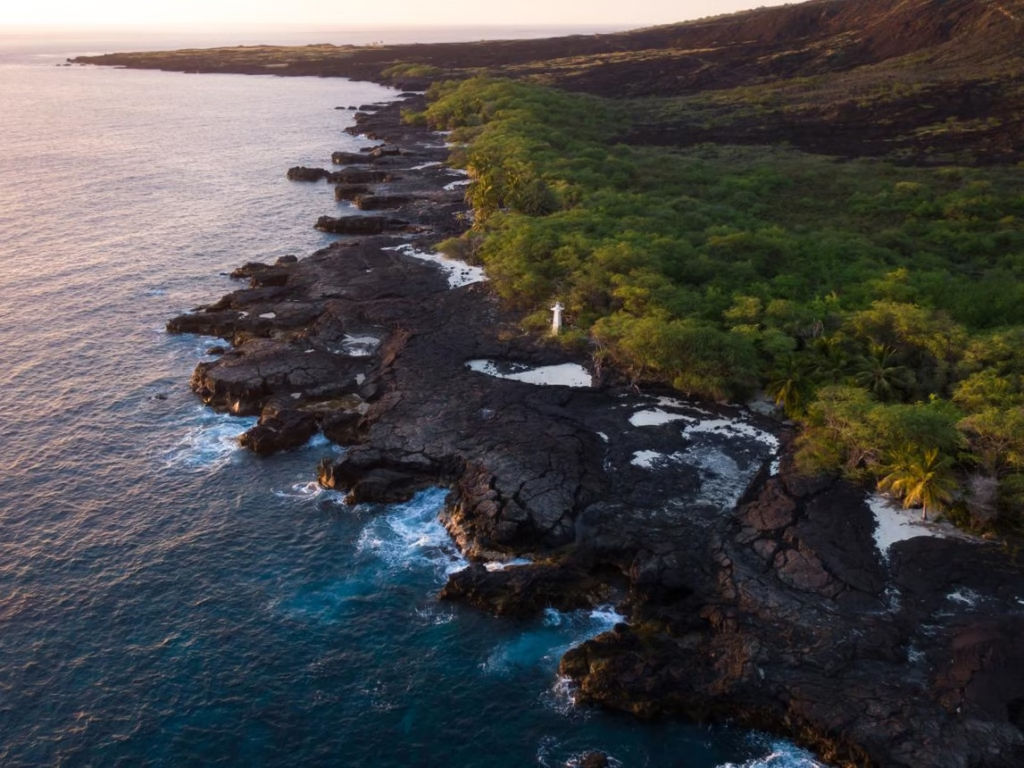
Multi-Generational Travel
Island destinations frequently appeal to families with varying age groups.
Grandparents may enjoy scenic relaxation, parents may seek recreation and dining, while children participate in beach activities, wildlife viewing, and water sports.
The ability to satisfy multiple interests within one destination contributes to their growing popularity.
Nature Is Becoming the Main Attraction
One of the most significant travel shifts in recent years has been the move away from purely attraction-based tourism toward nature-centered experiences.
Rather than filling itineraries with nonstop activities, many travelers now prioritize environments that encourage exploration and reflection.
Islands naturally support this trend.
Common Nature-Based Experiences
- Coastal hiking
- Birdwatching
- Kayaking
- Snorkeling
- Fishing
- Wildlife photography
- Paddleboarding
- Stargazing
Unlike heavily urbanized destinations, islands often provide opportunities for direct engagement with natural environments.
For example, visitors to barrier islands along the East Coast may encounter nesting sea turtles, migratory birds, and protected dune ecosystems. Travelers exploring Pacific Northwest islands frequently experience marine wildlife, forests, and dramatic shorelines.
These experiences satisfy growing consumer demand for authentic outdoor recreation.
The Influence of Social Media and Digital Storytelling
Social media has also played a role in increasing interest in islands.
However, the influence goes beyond picturesque beaches.
Travel content creators increasingly highlight:
- Local communities
- Sustainable tourism
- Regional food traditions
- Outdoor adventures
- Hidden destinations
This shift has introduced audiences to islands they may never have previously considered.
Instead of focusing exclusively on luxury resorts, digital storytelling now emphasizes authenticity and local experiences.
As a result, lesser-known destinations have gained visibility among travelers seeking alternatives to crowded tourism hotspots.
Islands and the Wellness Travel Movement
Wellness tourism has become one of the fastest-growing segments of the travel industry.
Many travelers now evaluate destinations based on their potential impact on physical and mental well-being.
Islands are particularly well positioned within this trend.
Wellness Benefits Travelers Often Associate With Islands
- Increased outdoor activity
- Improved sleep patterns
- Reduced screen time
- Exposure to natural environments
- Opportunities for mindfulness
- Lower perceived stress
Whether through beach walks, ocean swimming, yoga retreats, or simply spending time outdoors, islands frequently support wellness-oriented travel goals.
For busy professionals, even a short island getaway can provide a meaningful break from highly structured daily routines.
What Travelers Should Consider Before Choosing an Island Destination
While islands offer many advantages, travelers should evaluate practical factors before booking a trip.
Accessibility
Not all islands are equally easy to reach.
Consider:
- Ferry schedules
- Flight availability
- Seasonal weather
- Transportation options
- Vehicle restrictions
Some destinations intentionally limit vehicle traffic, which may influence planning.
Seasonal Conditions
Island experiences can vary dramatically by season.
A destination that feels vibrant during summer may become much quieter during winter months.
Researching seasonal patterns can help travelers align expectations with reality.
Infrastructure
Travelers should assess:
- Internet reliability
- Healthcare access
- Grocery availability
- Accommodation options
- Emergency services
This is especially important for remote workers and long-term visitors.
Environmental Impact
Responsible tourism remains increasingly important.
Visitors can help preserve island ecosystems by:
- Following local conservation guidelines
- Reducing waste
- Respecting wildlife
- Supporting local businesses
- Using reef-safe products when appropriate
These practices help protect destinations for future generations.
What Islands Reveal About Modern American Priorities
The growing popularity of islands reflects larger cultural trends.
Americans increasingly value experiences that offer:
- Flexibility
- Authenticity
- Personal well-being
- Outdoor recreation
- Meaningful connections
- Slower living
This shift represents a notable departure from earlier travel patterns that often emphasized packed itineraries and constant activity.
Today’s travelers frequently seek depth rather than quantity. Instead of visiting multiple destinations in a single trip, many prefer spending extended time in one place and developing a stronger connection with the local environment.
Islands naturally support this approach.
Their geographic boundaries encourage exploration at a more measured pace, allowing visitors to focus less on checking attractions off a list and more on enjoying the experience itself.
Frequently Asked Questions
Why are islands becoming more popular among American travelers?
Many travelers are seeking relaxation, outdoor experiences, wellness opportunities, and meaningful escapes from busy daily routines. Islands often provide all of these benefits in one destination.
Are island vacations only for luxury travelers?
No. Many domestic island destinations offer accommodations and activities across a wide range of budgets, making them accessible to families, couples, and solo travelers.
Which U.S. islands are growing in popularity?
Destinations such as Martha’s Vineyard, Amelia Island, Mackinac Island, Catalina Island, and the San Juan Islands continue to attract increasing attention from travelers.
Why do people feel more relaxed on islands?
The combination of natural scenery, water views, slower pacing, and physical separation from daily routines often contributes to lower perceived stress levels.
Are islands good destinations for remote workers?
Many are, although internet reliability and infrastructure vary significantly between locations. Researching connectivity before travel is important.
What activities are most popular on islands?
Beach recreation, hiking, kayaking, wildlife viewing, fishing, cycling, photography, and local cultural experiences remain among the most popular activities.
How does island tourism support local economies?
Visitors contribute through lodging, dining, transportation, tours, retail purchases, and support for locally owned businesses.
Are island destinations environmentally sensitive?
Many islands contain fragile ecosystems that require conservation efforts. Responsible tourism practices help protect these environments.
Do islands appeal to younger travelers?
Yes. Younger travelers increasingly seek experiential travel opportunities, outdoor recreation, and destinations that provide unique social media-worthy experiences.
What does the popularity of islands suggest about broader travel trends?
It suggests growing interest in wellness, sustainability, slower travel, nature-based experiences, and deeper connections with destinations.





Leave a Reply