
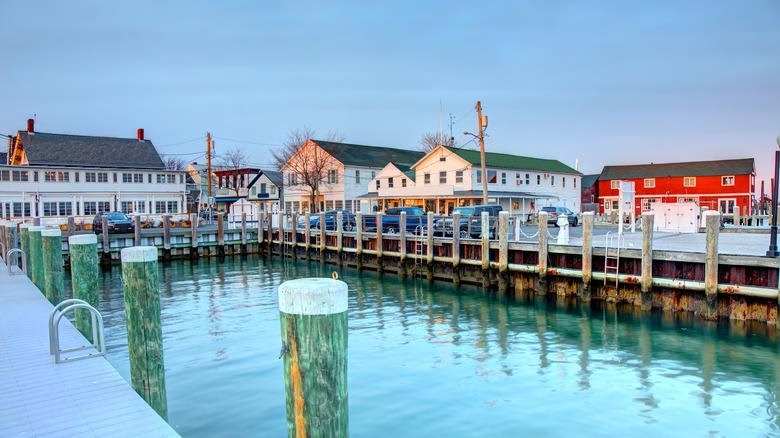
Island communities offer a unique perspective on how people adapt to geography, preserve culture, manage resources, and build resilient local economies. From remote Alaskan settlements to tropical destinations in Hawaii and barrier islands along the Atlantic Coast, islands reveal important lessons about sustainability, community identity, environmental stewardship, and human connection to place. Their stories continue to shape travel, conservation, and everyday life across America.
Why Islands Continue to Fascinate Americans
Few landscapes capture the imagination quite like islands. Surrounded by water and often separated from the mainland by distance, weather, or transportation challenges, islands represent a distinct way of life. For some, they symbolize escape and natural beauty. For others, they are home, workplace, and community.
Across the United States, islands vary dramatically in geography and culture. Some are bustling tourist destinations that welcome millions of visitors annually, while others remain quiet communities where generations of families have lived and worked for centuries. Despite these differences, islands share a common characteristic: their relationship with water shapes nearly every aspect of daily life.
Today, islands are attracting renewed attention as travelers seek authentic experiences, conservation efforts gain momentum, and communities adapt to environmental changes. Understanding island life offers valuable insight into how people thrive in places where geography creates both opportunities and challenges.
The Diversity of American Island Communities
The United States is home to thousands of islands spread across oceans, lakes, rivers, and coastal regions. Each has developed its own identity based on local history, natural resources, and cultural influences.
In Hawaii, island communities blend Native Hawaiian traditions with influences from Asia, North America, and the Pacific. Along the East Coast, islands such as Nantucket and Martha’s Vineyard have evolved from maritime economies into internationally recognized destinations. Meanwhile, Alaska’s island communities often depend on fishing, transportation networks, and natural resource management.
Island residents frequently develop strong local identities. Limited geographic space and shared experiences encourage close-knit social networks. Community events, local traditions, and volunteer organizations often play central roles in everyday life.
Several characteristics commonly define island communities:
- Strong local relationships
- Deep connections to natural resources
- Distinct cultural traditions
- Greater awareness of environmental conditions
- Dependence on transportation systems
- A strong sense of place and heritage
These traits help create communities that often feel markedly different from mainland environments.

How Geography Shapes Daily Life
Living on an island influences decisions that mainland residents may rarely consider. Transportation, supply chains, housing availability, and emergency planning all require unique approaches.
For example, groceries, construction materials, medical supplies, and fuel may need to arrive by ferry, airplane, or cargo ship. Weather conditions can occasionally disrupt deliveries, requiring careful planning by residents and businesses.
Housing markets on many islands face distinct pressures. Limited land availability can increase property values, making affordability an ongoing concern for local residents. Communities often work to balance economic development with preserving local character.
Transportation also becomes a defining feature of daily routines. Residents may coordinate work schedules around ferry departures, while businesses must account for transportation costs when pricing goods and services.
Yet many island residents describe these challenges as worthwhile trade-offs for the benefits of living in close proximity to nature, water, and community.
The Natural Landscapes That Make Islands Unique
One of the most remarkable aspects of islands is the diversity of landscapes they contain. Within relatively small geographic areas, islands often feature ecosystems that are both ecologically significant and visually striking.
Barrier islands along the Atlantic and Gulf coasts help protect mainland communities from storms while supporting diverse wildlife habitats. Tropical islands contain coral reefs, mangrove forests, and unique marine ecosystems. Northern islands may feature rugged cliffs, dense forests, and abundant bird populations.
Because of their geographic isolation, many islands support species found nowhere else in the world. This makes conservation particularly important.
Notable island ecosystems often include:
- Coastal wetlands
- Coral reef systems
- Seagrass habitats
- Maritime forests
- Volcanic landscapes
- Freshwater wetlands
- Dune environments
Scientists frequently study islands because they provide valuable insights into biodiversity, ecological adaptation, and environmental change.
The Economic Foundations of Island Living
Many people wonder how island communities sustain themselves economically. While tourism often receives the most attention, island economies are typically more diverse than they appear.
Fishing remains a major economic driver in many regions. Commercial fisheries support jobs related to harvesting, processing, transportation, and marine services. Maritime industries continue to play critical roles in coastal island communities.
Tourism contributes substantially to many island economies. Visitors support hotels, restaurants, transportation providers, tour operators, and retail businesses. However, successful communities often seek balance between tourism growth and preserving local quality of life.
Other important industries include:
- Education
- Healthcare
- Renewable energy
- Agriculture
- Marine research
- Government services
- Technology and remote work
The rise of remote employment has introduced new opportunities for some islands. Professionals who once needed to live in major metropolitan areas can now work from locations offering different lifestyles and environmental settings.
Cultural Traditions Preserved Through Generations
Island cultures often develop distinctive traditions that endure for centuries. Geographic separation can help preserve languages, customs, culinary practices, and artistic expressions that might otherwise change more rapidly.
Food provides one of the clearest examples. Island cuisines frequently reflect local resources and historical influences. Seafood naturally plays a prominent role, but regional ingredients and preparation techniques create unique culinary identities.

Music, storytelling, festivals, and maritime traditions also contribute to cultural continuity. Community celebrations often highlight local history and reinforce shared identity among residents.
In many cases, cultural preservation efforts are increasingly important as tourism, migration, and globalization influence island populations. Local organizations frequently work to document oral histories, maintain historic sites, and support educational programs focused on community heritage.
Environmental Challenges Facing Islands
While islands possess extraordinary natural beauty, they also face significant environmental pressures.
Coastal erosion affects many island shorelines. Rising sea levels, stronger storms, and changing weather patterns can accelerate erosion and increase flooding risks. Infrastructure located near coastlines may require adaptation or protection measures.
Freshwater availability presents another challenge. Some islands have limited natural freshwater resources and depend on careful management, desalination systems, or imported supplies.
Additional concerns include:
- Habitat loss
- Coral reef degradation
- Marine pollution
- Invasive species
- Waste management limitations
- Storm preparedness
Many island communities have become leaders in sustainability initiatives because environmental stewardship directly affects local livelihoods and quality of life.
Renewable energy projects, conservation programs, and climate adaptation strategies are increasingly common across island regions. These efforts often serve as models for broader environmental planning elsewhere.
Why Travelers Are Seeking More Authentic Island Experiences
American travelers are increasingly interested in experiences that go beyond beaches and resorts. Many seek opportunities to learn about local communities, history, conservation, and regional culture.
Rather than focusing solely on recreation, visitors often want deeper connections with destinations. This shift has encouraged the growth of educational tourism, cultural experiences, and environmentally responsible travel.
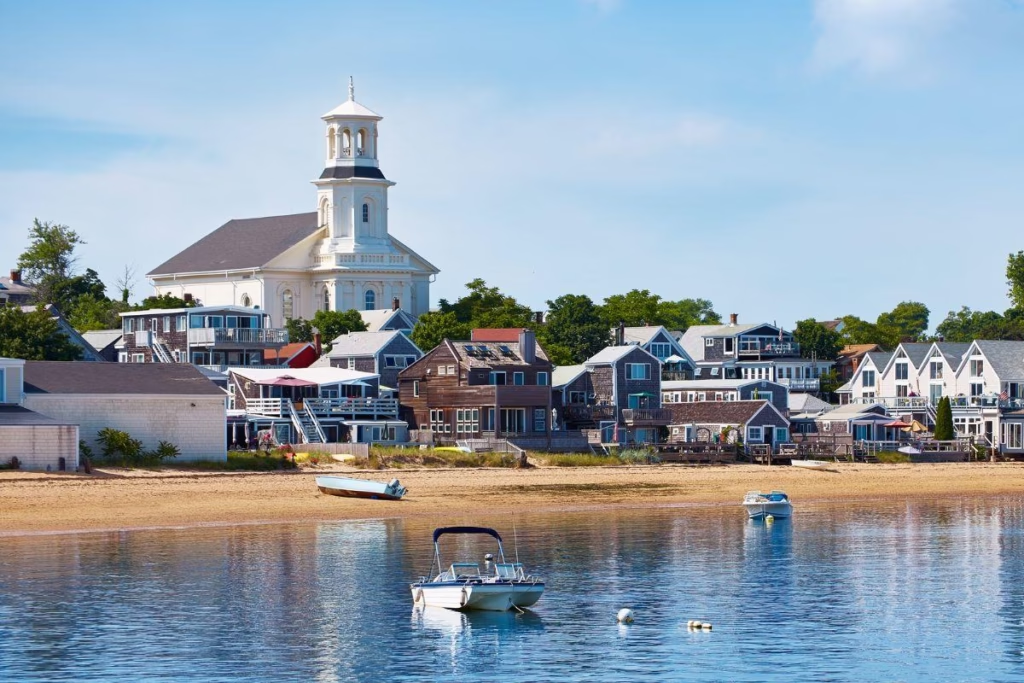
Popular activities include:
- Wildlife observation
- Historic site tours
- Local food experiences
- Marine conservation programs
- Community festivals
- Kayaking and eco-tours
- Small-business shopping
Travelers who engage with local communities often gain a richer understanding of island life while supporting local economies more directly.
This trend reflects broader changes in tourism, where authenticity, sustainability, and meaningful experiences increasingly influence travel decisions.
Lessons Islands Teach About Resilience
Perhaps the most valuable lesson islands offer is resilience.
Island communities regularly adapt to changing conditions. Whether responding to storms, managing limited resources, or balancing economic development with environmental protection, residents often demonstrate remarkable flexibility and problem-solving skills.
Because resources may be constrained, collaboration becomes essential. Community organizations, local governments, businesses, and residents frequently work together to address shared challenges.
These experiences provide useful lessons for broader society:
- Long-term planning matters
- Local knowledge has significant value
- Community cooperation strengthens resilience
- Environmental stewardship supports economic stability
- Adaptability improves long-term outcomes
As climate, economic, and social changes continue to affect communities worldwide, many island solutions may prove increasingly relevant beyond their shores.
Frequently Asked Questions
1. Why do people choose to live on islands?
Many residents value strong community connections, natural beauty, outdoor recreation, and a slower pace of life. Others have deep family roots or work in island-based industries.
2. Are island communities economically sustainable?
Many are, particularly those with diversified economies that include tourism, fishing, healthcare, education, and other sectors.
3. What challenges do island residents face?
Transportation costs, housing affordability, weather disruptions, healthcare access, and environmental concerns are among the most common challenges.
4. Do islands have unique cultures?
Yes. Geographic separation often contributes to distinctive traditions, cuisines, festivals, and local identities.
5. How important is tourism to island economies?
Tourism is significant for many islands, but successful communities often balance visitor spending with other economic activities.
6. Are islands more vulnerable to climate change?
Many islands face increased risks from sea-level rise, coastal erosion, stronger storms, and ecosystem changes.
7. What industries support island communities besides tourism?
Fishing, education, healthcare, government services, renewable energy, research, and agriculture commonly contribute to island economies.
8. How do islands receive supplies?
Most rely on ferries, cargo ships, airplanes, and other transportation systems to bring in goods and materials.
9. Are island ecosystems important for conservation?
Absolutely. Many islands contain unique habitats and species that play critical roles in biodiversity conservation.
10. Can remote work support island economies?
Increasingly, yes. Remote work has created opportunities for professionals to live on islands while working for organizations located elsewhere.





Leave a Reply