
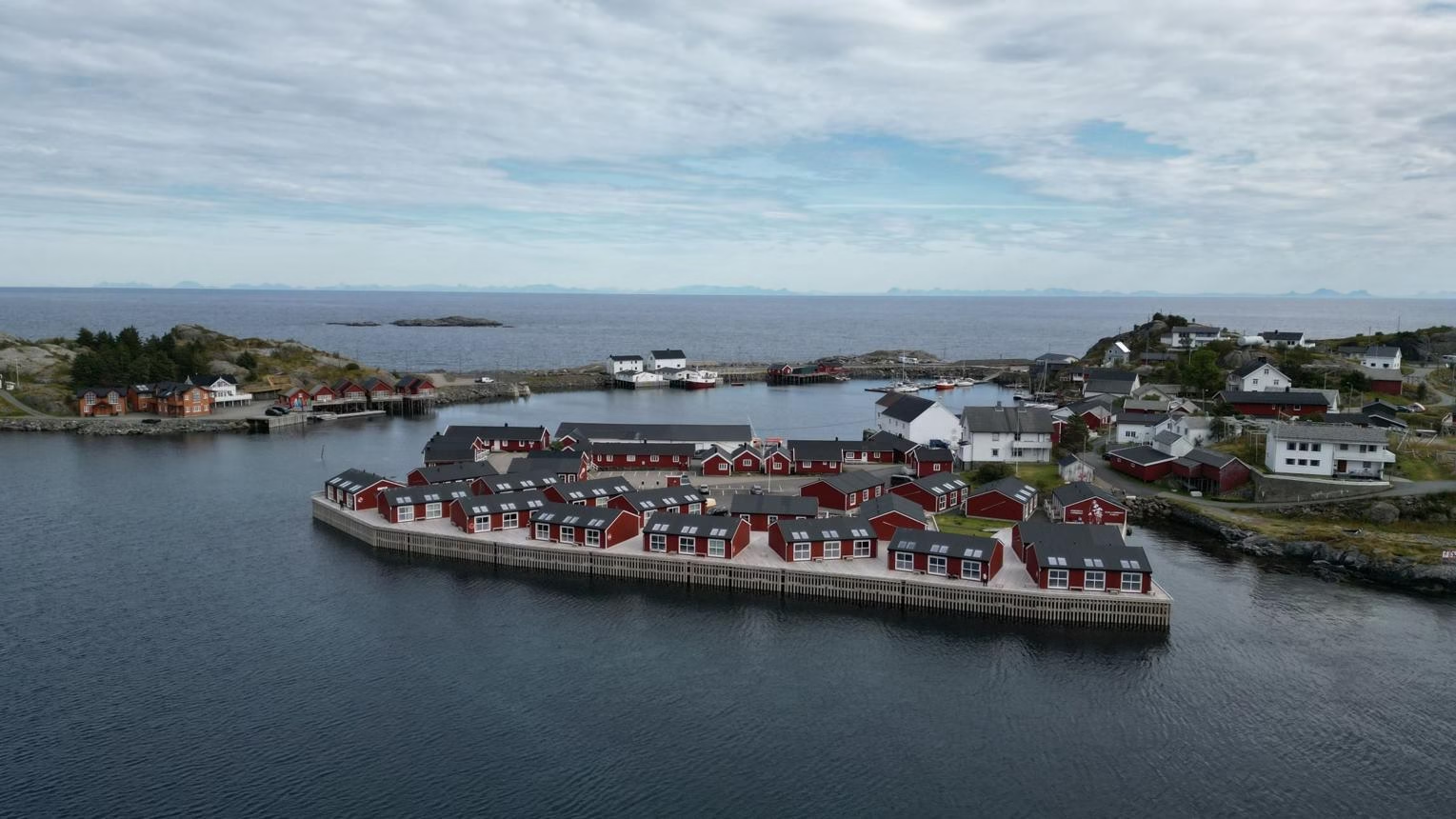
Across the United States, islands are emerging as influential travel destinations that combine natural beauty, local culture, outdoor recreation, and slower-paced experiences. From coastal retreats in New England to tropical escapes in Hawaii and eco-focused communities in the Pacific Northwest, these islands reflect changing traveler preferences. As Americans increasingly seek authentic, less crowded destinations, islands are playing a growing role in shaping modern tourism trends.
Why Islands Are Capturing New Attention Among American Travelers
For decades, major cities, national parks, and well-known beach destinations dominated travel planning in the United States. Today, however, many travelers are searching for something different. Crowded tourist districts, packed itineraries, and highly commercialized attractions have encouraged people to seek destinations that offer a stronger connection to place.
Islands fit naturally into this shift.
Many islands provide a sense of separation without requiring international travel. Visitors often describe arriving on an island as crossing an invisible boundary between everyday routines and a more relaxed pace of life. Whether accessed by ferry, bridge, or short flight, islands create a feeling of discovery that appeals to modern travelers.
Industry research from organizations such as the U.S. Travel Association and destination marketing groups has consistently shown rising interest in experiential travel, outdoor recreation, sustainable tourism, and local culture. Islands frequently bring all of these elements together in one destination.

The Rise of Experience-Driven Travel
One of the most important shifts in American tourism involves moving beyond sightseeing toward meaningful experiences.
Rather than checking landmarks off a list, travelers increasingly want to:
- Learn local traditions
- Support small businesses
- Explore nature responsibly
- Participate in community events
- Enjoy regional food and culture
- Slow down and spend more time in fewer places
Many islands naturally support this style of travel.
A visitor spending several days on an island often interacts more closely with local residents, fishermen, artists, farmers, guides, and business owners than they might in a large metropolitan destination.
This deeper engagement creates memorable experiences that travelers frequently share through social media, travel blogs, and recommendations to friends and family.
Islands Redefining Travel Trends Across America
Martha’s Vineyard, Massachusetts
The island of Martha’s Vineyard continues to attract travelers seeking a blend of coastal scenery, historic charm, and local culture.
While long associated with summer vacations, the island has increasingly become popular among travelers interested in cycling, culinary tourism, environmental conservation, and small-town experiences.
Many visitors choose to explore local farms, seafood restaurants, artisan markets, and historic districts rather than focusing exclusively on beaches.
This reflects a broader national trend toward immersive travel experiences.
San Juan Island, Washington
Located in the Pacific Northwest, San Juan Island has become a favorite among travelers seeking wildlife encounters and sustainable tourism.
The island is known for:
- Whale watching opportunities
- Kayaking excursions
- Scenic cycling routes
- Local farms and food producers
- Protected natural habitats
Travelers increasingly value destinations where outdoor recreation and environmental stewardship coexist, making San Juan Island a strong example of emerging travel priorities.
Mackinac Island, Michigan
Perhaps one of the most distinctive travel experiences in America can be found on Mackinac Island.
Motor vehicles are largely absent from the island, creating a transportation system centered around bicycles, walking, and horse-drawn carriages.
For travelers overwhelmed by modern urban life, this unique environment offers a rare opportunity to disconnect.
The popularity of Mackinac Island highlights growing interest in slower travel, heritage tourism, and destinations that preserve a strong sense of identity.
Amelia Island, Florida
Located along Florida’s northeastern coast, Amelia Island attracts visitors who want beach access without the atmosphere of larger resort corridors.
Historic architecture, local seafood, state parks, and outdoor recreation contribute to its appeal.
Travelers increasingly seek destinations that balance comfort with authenticity, and Amelia Island demonstrates how smaller island communities can compete successfully with larger tourism centers.
Kauai, Hawaii

7
Among the Hawaiian Islands, Kauai has become particularly attractive to travelers interested in nature-based experiences.
Known for dramatic cliffs, hiking trails, waterfalls, and ecological diversity, Kauai appeals to visitors who prioritize outdoor adventure and environmental appreciation.
Its popularity reflects a broader trend toward nature-focused travel rather than purely resort-centered vacations.
What Travelers Are Looking for on Islands Today
The modern traveler often approaches island destinations differently than previous generations.
Instead of focusing solely on relaxation, visitors increasingly seek combinations of recreation, learning, and personal enrichment.
Common motivations include:
Authentic Local Food
Island communities frequently develop distinctive culinary traditions shaped by geography and local resources.
Travelers are increasingly drawn to:
- Fresh seafood
- Farm-to-table restaurants
- Local fisheries
- Farmers markets
- Regional specialties
Food has become one of the strongest drivers of destination choice.
Outdoor Recreation
Many islands offer access to activities that align with health-conscious lifestyles.
Popular options include:
- Hiking
- Paddleboarding
- Kayaking
- Snorkeling
- Cycling
- Wildlife viewing
These activities allow visitors to engage directly with natural environments rather than simply observing them.
Cultural Discovery
Historic districts, museums, indigenous heritage sites, maritime traditions, and local festivals provide educational value alongside recreation.
Travelers increasingly report that cultural learning enhances the overall quality of a trip.
Are Lesser-Known Islands Becoming More Popular?
One of the most significant trends in American tourism is the growing popularity of secondary and emerging destinations.
Social media, digital travel guides, and remote work flexibility have made travelers more willing to explore beyond traditional tourism hubs.
As a result, islands that previously attracted mostly regional visitors are now gaining national visibility.
Examples include:
- Block Island, Rhode Island
- Orcas Island, Washington
- Bald Head Island, North Carolina
- Chincoteague Island, Virginia
- South Bass Island, Ohio
These destinations often appeal because they offer:
- Fewer crowds
- Strong local identity
- Scenic environments
- Distinctive experiences
- Easier opportunities for relaxation
For many travelers, these qualities have become more valuable than famous landmarks.

How Remote Work Has Influenced Island Tourism
The rise of remote and hybrid work has significantly affected travel behavior.
Many professionals now combine work and leisure through extended stays, sometimes called “workcations.”
Island destinations have benefited from this trend because they offer:
- Inspiring scenery
- Slower daily rhythms
- Outdoor recreation opportunities
- Smaller communities
- Reduced urban distractions
A traveler who once spent three days on an island may now stay for several weeks while working remotely.
This longer stay model often supports local economies more effectively than short visits.
Sustainability Is Becoming a Major Factor
As tourism grows, many island communities are prioritizing sustainability.
Visitors increasingly ask questions such as:
- How does tourism affect local ecosystems?
- Are businesses supporting conservation?
- Can travelers minimize environmental impact?
- How are local communities benefiting?
Responsible island tourism often includes:
- Supporting local businesses
- Respecting wildlife habitats
- Reducing waste
- Conserving water
- Following designated trails
- Choosing eco-conscious operators
Travelers are becoming more aware that preserving island environments contributes directly to maintaining their appeal.
Planning an Island Trip: What Travelers Should Consider
Successful island travel often requires more planning than mainland trips.
Before booking, travelers should evaluate:
Transportation
Many islands rely on ferries, limited flights, or seasonal transportation schedules.
Advance reservations can be important during peak travel periods.
Seasonal Conditions
Weather, wildlife activity, and visitor numbers may vary significantly throughout the year.
Off-season visits often provide:
- Lower costs
- Smaller crowds
- Better availability
- More interaction with local communities
Local Regulations
Some island destinations maintain strict environmental protections.
Understanding local guidelines helps travelers avoid unintended impacts and enhances the visitor experience.
Frequently Asked Questions
1. Why are island destinations becoming more popular in the United States?
Many travelers are seeking authentic experiences, outdoor recreation, and less crowded destinations, all of which islands frequently provide.
2. Which U.S. island is best for nature lovers?
Kauai, San Juan Island, and Chincoteague Island are frequently recommended for their natural landscapes and wildlife opportunities.
3. Are island vacations more expensive than mainland trips?
Not necessarily. Costs vary significantly depending on transportation, accommodations, season, and destination popularity.
4. What is the best time to visit American islands?
The ideal timing depends on the specific island. Shoulder seasons often provide favorable weather and fewer crowds.
5. Are island destinations suitable for family travel?
Yes. Many islands offer family-friendly outdoor activities, educational attractions, and safe recreational environments.
6. What should travelers pack for island trips?
Comfortable walking shoes, weather-appropriate clothing, sun protection, reusable water bottles, and outdoor gear are common essentials.
7. How can travelers support local island communities?
Choosing locally owned accommodations, restaurants, guides, and shops helps support island economies.
8. Are lesser-known islands worth visiting?
Many travelers find lesser-known islands particularly rewarding because they often offer unique experiences and fewer crowds.
9. Can remote workers stay on islands for extended periods?
Yes. Improved internet infrastructure and flexible work arrangements have made extended island stays increasingly common.
10. What role does sustainability play in island tourism?
Sustainability helps protect ecosystems, cultural resources, and local quality of life while supporting long-term tourism success.
Where America’s Island Travel Story Is Headed Next
The growing popularity of island destinations reflects broader changes in how Americans think about travel. Increasingly, travelers value meaningful experiences over packed itineraries, local connections over mass tourism, and natural environments over heavily developed attractions.
Whether exploring a historic New England island, kayaking through Pacific Northwest waters, cycling on a car-free destination, or discovering a lesser-known coastal community, travelers are finding that some of America’s most influential travel trends are emerging from places surrounded by water.
As tourism continues to evolve, islands are likely to remain at the forefront of experiences that emphasize authenticity, sustainability, and a deeper connection to place.
Key Insights From America’s Island Renaissance
- Travelers increasingly prioritize experiences over traditional sightseeing.
- Islands provide natural opportunities for slower, more immersive travel.
- Destinations such as Martha’s Vineyard, San Juan Island, Mackinac Island, Amelia Island, and Kauai reflect emerging tourism trends.
- Remote work is contributing to longer island stays.
- Sustainability is becoming central to island tourism planning.
- Lesser-known islands are gaining visibility among American travelers.
- Local food, outdoor recreation, and cultural discovery remain major attractions.
- Responsible tourism helps preserve island destinations for future generations.





Leave a Reply