
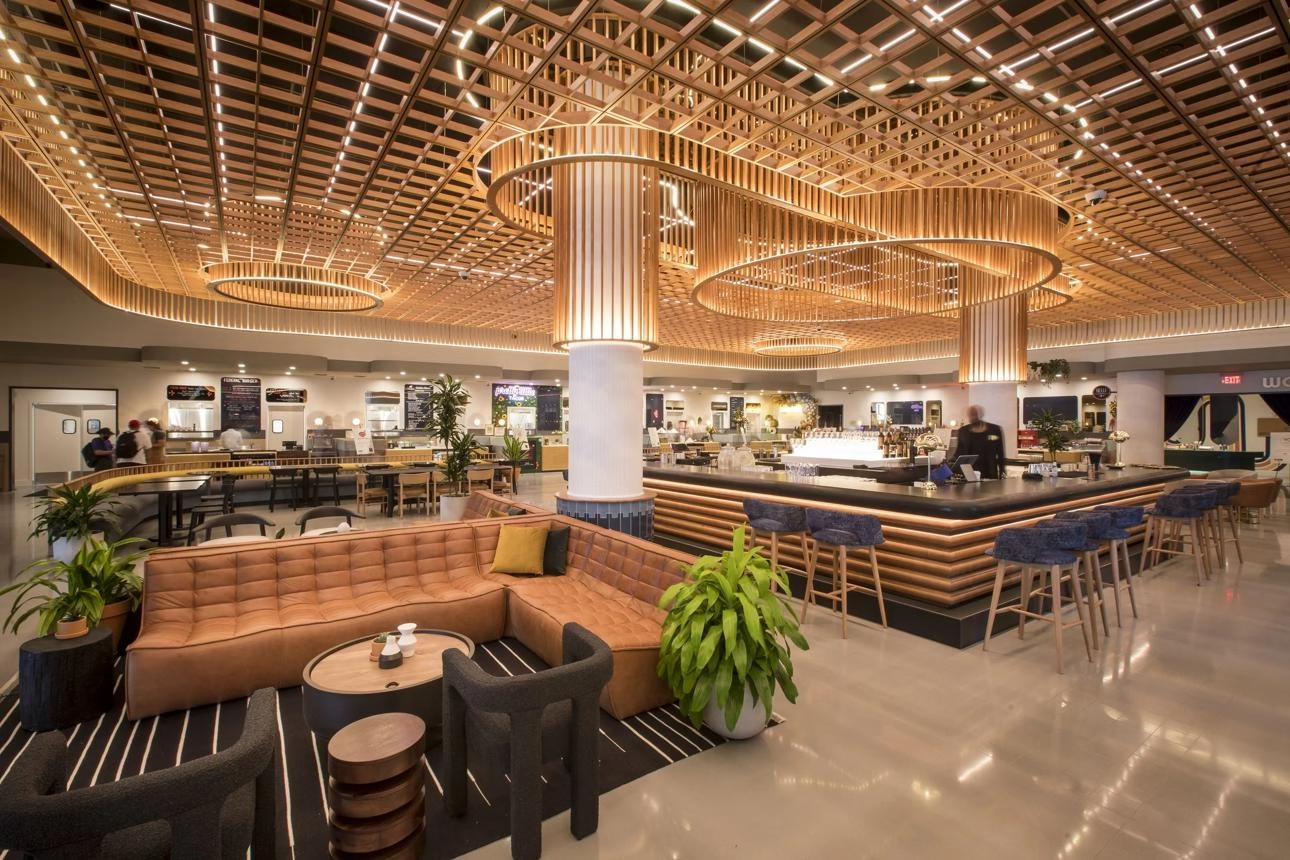
Gourmet experiences are moving from occasional splurges to mainstream priorities in American travel, celebrations, and everyday spending. In 2026, consumers are increasingly paying for meals, tastings, food halls, chef-led events, and destination dining that feel memorable, social, and worth sharing. This shift reflects changing ideas about value, hospitality, leisure, and local culture—not just a bigger appetite for luxury.
The new role of food in American spending
For a long time, “gourmet” was treated as a niche category—something reserved for anniversaries, business dinners, or a handful of food-focused travelers. In 2026, that framing looks outdated. Across the U.S., food experiences are becoming a more central part of how people plan weekends, vacations, celebrations, and even ordinary social time. Gourmet no longer refers only to white-tablecloth fine dining. It increasingly includes chef’s counters, regional tasting menus, premium food halls, wine-pairing dinners, destination bakeries, artisanal markets, omakase experiences, cooking classes, and specialty cafés with strong culinary point of view.
What has changed is not simply that Americans like good food. They always have. The bigger change is that more consumers now see a well-designed food experience as a legitimate use of discretionary spending—sometimes instead of buying another physical item, and often as the anchor of a trip or celebration. In practical terms, that means a couple might build a weekend in Charleston around restaurant reservations and a market tour, a family might book a premium food hall and chef-led brunch for a graduation weekend, or a group of friends might treat a regional barbecue crawl as the main event rather than an add-on.
That shift matters because it changes where money goes. It benefits restaurants, boutique hotels, culinary tour operators, food halls, wineries, specialty retailers, and destinations that know how to connect food with place. It also changes consumer expectations. People are not only asking whether a meal tastes good. They are asking whether it feels memorable, whether it reflects local culture, whether service feels personal, whether the setting is worth lingering in, and whether the experience justifies the price.
Why this is happening now
Several trends are converging at once, and together they help explain why gourmet experiences are getting a bigger share of Americans’ leisure budgets.
First, consumers continue to favor spending on experiences over purely material purchases when they want a sense of reward, connection, or celebration. A gourmet experience offers multiple benefits at once: it is social, sensory, time-bound, and often tied to a specific place. Unlike a generic purchase, a memorable dinner or food-focused trip can also become a story people retell.
Second, travel behavior has shifted in ways that support culinary spending. American Express’s 2026 travel trends research found strong interest in hands-on, culturally specific experiences, with 82% of global respondents saying hands-on activities increase their appreciation for local culture and 79% of Millennials and Gen Z respondents saying they are likely to seek out local workshops or destination-specific activities while traveling. That matters because food is one of the easiest and most accessible ways to participate in local culture rather than simply observe it. A market tour in New Orleans, a tortilla workshop in Santa Fe, or a seafood tasting in coastal Maine can feel more distinctive than another standard sightseeing stop.
Third, the restaurant industry itself is adapting to this appetite for experience. The National Restaurant Association projects U.S. restaurant industry sales of about $1.55 trillion in 2026, with operators increasingly aware that value is not just about price but also about hospitality, atmosphere, and experience. OpenTable’s restaurant-trends guidance has likewise emphasized growing diner interest in experiential formats such as tasting menus, mixology workshops, and ticketed wine dinners.
Finally, the definition of “treating yourself” has become more selective. Many households remain cost-conscious, but that does not necessarily eliminate premium spending. Instead, it often concentrates it. People may cut back on frequent impulse purchases and reserve discretionary dollars for fewer, more meaningful occasions. A $180 tasting menu can feel rational to someone who has consciously reduced other forms of entertainment or shopping, especially if that meal serves as both celebration and leisure activity.
What counts as a gourmet experience in 2026
The biggest mistake brands and publishers make is assuming gourmet still means only luxury fine dining. In reality, the category is broader and more democratic than that.
In the U.S. market today, gourmet experiences often fall into several overlapping buckets:
- Destination dining: booking a trip, weekend, or neighborhood outing around a notable restaurant, bakery, barbecue spot, seafood shack, or chef-driven hotel dining room
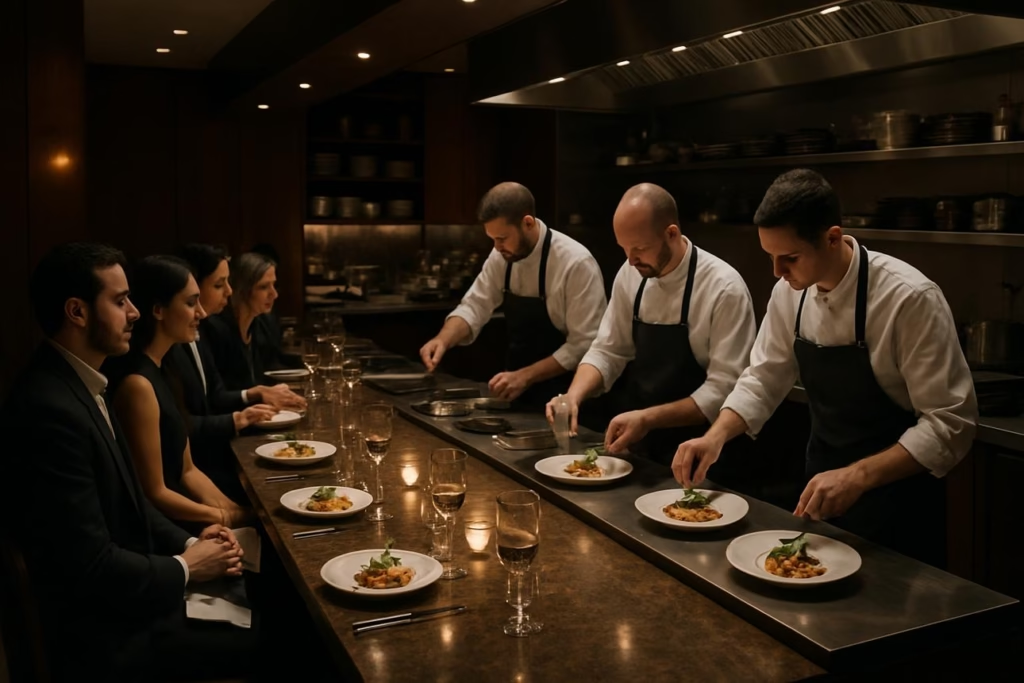
- Structured food events: chef’s tasting menus, wine dinners, seasonal pop-ups, omakase counters, truffle dinners, or regional tasting flights
- Hands-on culinary activities: cooking classes, cocktail workshops, market tours, farm dinners, and maker-led tastings
- Premium casual formats: elevated food halls, gourmet grocery dining, chef-backed counters, and specialty cafés that offer a strong sense of discovery
- Celebration dining: birthdays, anniversaries, graduation dinners, rehearsal events, and family gatherings where food becomes the main experience rather than just the venue
- Local sourcing and storytelling: meals that connect ingredients, technique, and regional identity in a way that feels educational as well as enjoyable
That wider definition helps explain why the trend reaches beyond affluent diners. Someone does not need to book a Michelin-level tasting menu to participate. A gourmet weekend might be a $35 oyster happy hour followed by a bakery crawl and a premium brunch. It might be a day trip to a food market and olive oil tasting. It might be a ticketed dinner at a local farm. The common thread is intention: consumers are seeking food experiences that feel curated, place-specific, and worth planning around.
Why gourmet travel is growing faster than generic dining out
One of the clearest signs of the shift is how often food now shapes travel decisions. Americans are increasingly using food not just to fill time on a trip but to decide where the trip should happen in the first place.
This is especially visible in domestic travel. When travelers stay closer to home, take shorter trips, or plan around a long weekend, food becomes a high-impact way to make a nearby destination feel special. A traveler may not need a seven-night luxury vacation if a two-night trip to Chicago, Savannah, Austin, Portland, or Napa can deliver standout meals, a market visit, and a culinary neighborhood worth exploring on foot.
That logic also fits current spending psychology. Food-centered travel often feels easier to justify than more abstract luxury because the value is tangible. Travelers know what they are getting: a reservation, a tasting, a class, a chef interaction, a local specialty. Even when budgets are tight, many consumers still want one or two “anchor” experiences during a trip. Food is often the anchor because it combines entertainment, hospitality, and local immersion in a single purchase.
There is also a practical reason gourmet travel works well in 2026: it is highly modular. A traveler can scale it up or down. One person might build a full culinary itinerary with multiple reservations and a hotel known for dining. Another might simply prioritize one excellent seafood dinner, one bakery stop, and a food market. That flexibility makes gourmet travel accessible across income levels without removing the aspirational element.
How celebrations are changing: from banquet thinking to experience thinking
Celebrations are another area where gourmet spending is growing. Americans are increasingly moving away from one-size-fits-all banquet meals and toward food-centered gatherings that feel more personal, interactive, and reflective of taste.
Think about how birthdays, rehearsal dinners, milestone anniversaries, and graduation weekends are being planned. Instead of asking only, “Where can we fit 20 people?” hosts are asking questions like:
- Which restaurant tells the right story for this occasion?
- Is there a private chef’s table, tasting room, or market-style space that feels less generic?
- Can we build the event around wine, seafood, regional specialties, or a chef interaction?
- Will guests actually remember the meal, or is it just a functional booking?
This is a meaningful shift because it changes what consumers pay for. They are not only buying food quantity or private-room access. They are buying atmosphere, pacing, hospitality, and a sense of occasion. A thoughtfully designed dinner with a seasonal menu and sommelier-led pairing may cost more than a standard banquet setup, but many hosts see it as a better use of celebration dollars because it produces a stronger emotional return.
Social habits also matter here. As more gatherings move away from large formal entertaining and toward smaller, intentional events, gourmet experiences become easier to justify. A 12-person private dining experience can feel more special than a 60-person generic party, especially when the guest list is tight and the event is meant to create conversation rather than just fill a calendar slot.
The rise of premium casual food spaces
Not every gourmet trend is happening in fine dining. Some of the most important growth is happening in the middle of the market, where premium casual concepts are making gourmet food feel more available.
Food halls, chef-driven counters, upscale grocery dining, and market-style hospitality spaces are increasingly competing with traditional restaurants and even fast food for routine meal occasions. That matters because it blurs the line between “special occasion” and “everyday treat.” A shopper can stop into a gourmet market for hand-rolled sushi, a wood-fired pizza, or a chef-prepared lunch and get a version of culinary discovery without committing to a full-service dinner.
This is not just anecdotal. Reporting in 2026 has highlighted how grocery-prepared meals and upgraded retail food offerings are becoming more serious competitors for restaurant traffic as consumers look for quality and value in one place.
For consumers, these spaces solve several problems at once. They offer flexibility, lower time commitment, varied price points, and a lower social barrier than formal dining. For operators, they create more touchpoints: breakfast pastries, lunch, aperitivo, takeaway, pantry shopping, and event programming can all happen under one roof. The result is that gourmet spending is no longer confined to one expensive reservation every few months. It can be distributed across many smaller, experience-oriented purchases.
Why younger consumers are accelerating the trend
Millennials and Gen Z are not the only drivers of gourmet spending, but they are helping reshape its format. These groups tend to value experiences that are social, discoverable, and identity-reinforcing. Food fits all three.
They are also comfortable with hybrid categories. A restaurant can be a dinner spot, a date venue, a content backdrop, a neighborhood discovery, and a travel memory all at once. A bakery can function like a destination. A natural-wine bar can double as a cultural recommendation. This mindset favors gourmet businesses that offer more than a plate of food. It rewards places with a point of view.
That does not mean the trend is superficial or only “Instagram-driven.” In fact, many younger consumers are looking for substance: ingredient transparency, chef credibility, local sourcing, cultural authenticity, and opportunities to learn. American Express’s travel research suggests that travelers increasingly value experiences that teach them something or connect them to local life, and food is one of the easiest ways to deliver that.
What Americans are actually searching for when they say “gourmet”
From an SEO and consumer-intent perspective, “gourmet experiences” usually maps to a cluster of practical questions rather than a single luxury concept. Users are often trying to solve for one of these needs:
- Where should I go for a memorable food-focused weekend in the U.S.?
- What’s worth booking for a special birthday or anniversary dinner?
- Are chef’s tasting menus worth the money?
- What are the best food halls, markets, or culinary neighborhoods in a city?
- How do I plan a trip around restaurants without overspending?
- What gourmet experiences work well for a group celebration?
- Which destinations are best for wine, seafood, barbecue, or regional food traditions?
- How far in advance should I book a popular dining experience?
Understanding that intent matters because it reveals how gourmet has shifted from status signal to planning category. People are not just browsing expensive restaurants. They are organizing leisure time around food.
How consumers can spend on gourmet experiences more intelligently
As gourmet experiences become more popular, smart planning matters. A higher price does not automatically mean a better experience, and many of the best culinary memories come from combining one premium anchor with several lower-cost discoveries.
A practical approach looks like this:
- Choose one anchor reservation per trip or celebration. Make that the place where service, setting, or chef-driven creativity really matters.
- Balance it with lower-cost specialty stops. Bakeries, wine bars, oyster counters, coffee roasters, and neighborhood lunch spots often deliver as much pleasure as the expensive dinner.
- Book around local strengths. Seafood on the coast, barbecue in established smokehouse regions, produce-forward menus in farm-rich areas, or Mexican regional cooking in cities known for it.
- Check format before price. A chef’s counter, communal tasting, or market tour may be more memorable than a conventional upscale dining room.
- Look for weekday and shoulder-time reservations. Midweek dining has become more common, and it can improve access and sometimes value.
- Treat food as itinerary design, not just a reservation list. The best gourmet weekends usually include neighborhoods, markets, cafés, and a sense of pacing rather than back-to-back heavy meals.
What businesses should learn from the gourmet shift
For restaurants, hotels, tourism boards, and food retailers, the lesson is not simply “charge more.” It is that consumers are rewarding businesses that package food as an experience with emotional and cultural value.
That often means investing in details that are not purely culinary: staff storytelling, reservation pacing, thoughtful beverage pairings, visible craftsmanship, local sourcing narratives, beautiful but usable spaces, and event formats that make people feel they participated in something distinct. It also means understanding that gourmet demand exists at multiple price tiers. A memorable $28 market lunch can build as much loyalty as a $180 tasting menu if it feels special, local, and well-executed.
Destinations should pay attention too. Culinary reputation now functions as travel infrastructure. A city with a strong mix of restaurants, markets, bakeries, bars, and food events has a real competitive advantage for weekend travelers. In many cases, food is one of the most efficient ways for a destination to communicate identity and persuade visitors to stay longer or spend more once they arrive.
Where this trend is likely headed next
In the near term, gourmet spending is likely to keep expanding in two directions at once.
At the top end, travelers and celebrants will continue seeking high-touch, limited-capacity experiences that feel difficult to replicate at home: chef’s counters, farm dinners, regional tasting menus, and food-centered hotel stays.
At the broader consumer level, premium casual and mixed-use culinary spaces will probably keep growing because they match how people actually live. Americans want quality, flexibility, and atmosphere, but they do not always want the formality, time commitment, or bill that comes with classic fine dining. Businesses that can offer discovery without friction are well positioned.
The larger point is that gourmet experiences are no longer a side story in hospitality and consumer spending. They are becoming one of the ways Americans define leisure itself: not only through where they go, but through what they taste, who they gather with, and what feels worth remembering.
When a Meal Becomes the Main Event
The most important change in 2026 is not that Americans are suddenly spending wildly on food. It is that many are spending more deliberately on meals and culinary moments that do more than feed them. Gourmet experiences now sit at the intersection of travel, celebration, identity, and entertainment. They offer a practical kind of indulgence—one that feels social, memorable, and rooted in place.
That is why a tasting menu, a market crawl, a chef-led dinner, or a carefully chosen neighborhood restaurant can command so much attention right now. These experiences meet people where modern spending priorities have moved: toward fewer purchases, better stories, and occasions that feel genuinely lived rather than simply bought.
FAQ: What Americans Want to Know About Gourmet Experiences in 2026
1) What is considered a gourmet experience today?
A gourmet experience usually means a food or beverage outing that feels curated, memorable, and higher-touch than a routine meal. It can include tasting menus, chef-led dinners, wine pairings, market tours, specialty bakeries, food halls, cooking classes, or destination restaurants.
2) Are gourmet experiences only for luxury travelers?
No. The category now includes a wide range of price points. A gourmet experience could be a multi-course tasting menu, but it could also be a premium food hall visit, a regional bakery crawl, or a ticketed farm dinner.
3) Why are Americans spending more on food experiences instead of things?
Many consumers increasingly value experiences that feel social, memorable, and worth planning around. Food works well because it combines entertainment, celebration, and local culture in one purchase.
4) How do gourmet experiences influence travel planning?
Food now shapes where many people go, how long they stay, and what they book first. Travelers often choose destinations based on restaurant scenes, regional specialties, culinary events, or food neighborhoods.
5) Are chef’s tasting menus worth the money?
They can be, but it depends on the goal. If you want hospitality, pacing, creativity, and a sense of occasion, a tasting menu can deliver strong value. If you mainly want a good meal, a la carte dining or a chef-driven casual spot may be a better fit.
6) What are the best gourmet experiences for celebrations?
Private dining rooms, chef’s tables, wine dinners, seafood feasts, omakase counters, and tasting-menu restaurants work especially well because they create a structured, memorable event rather than just a meal reservation.
7) How can I plan a gourmet weekend without overspending?
Choose one premium anchor meal, then fill the rest of the trip with lower-cost specialty stops such as bakeries, cafés, oyster bars, markets, and lunch counters. Book around a destination’s culinary strengths rather than chasing only expensive reservations.
8) Is gourmet spending replacing traditional fine dining?
Not exactly. Fine dining still matters, but the market is broadening. More consumers are interested in premium casual experiences, food halls, market dining, workshops, and chef-driven concepts that feel special without being overly formal.
9) What types of cities benefit most from this trend?
Cities and regions with strong food identities, walkable dining neighborhoods, local producers, and a mix of premium and accessible options tend to benefit most. That includes major food cities, wine regions, coastal seafood destinations, and culturally distinct smaller markets.
10) What should restaurants and travel brands do differently in response?
They should think beyond the menu. Guests increasingly care about storytelling, atmosphere, local identity, service quality, event programming, and whether the experience feels memorable enough to justify both time and money.





Leave a Reply